

♥ Wishlist


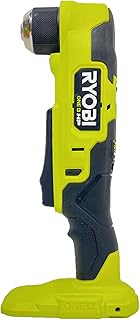




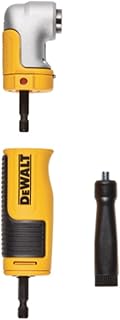


Milwaukee angle drills are purpose-built for jobs where access is more important than the conventional shape of a standard drill. The compact right-angle format positions the motor and drive mechanism differently, allowing the user to reach areas that can be difficult or impossible to access with a traditional pistol-grip drill. This makes an angle drill particularly useful for electricians, plumbers, HVAC technicians, carpenters, renovators, cabinet installers, and other professionals who routinely work in confined spaces.
When shopping for a Milwaukee angle drill in Canada, start by considering the environment in which you will use the tool. If you frequently drill through framing, install wiring, assemble cabinetry, or perform plumbing work, a compact right-angle design can reduce the amount of clearance required around the workpiece. The best model for you will depend on the balance between physical size, drilling capacity, speed, torque, ergonomics, and runtime.
The main advantage of an angle drill is access. A standard drill can become awkward when the chuck and motor require more room than the work area provides. A right-angle drill gives you another configuration for approaching the material, making it easier to drill or drive fasteners in narrow gaps. This can be especially valuable when working between wall studs, joists, pipes, electrical components, cabinets, or other fixed structures.
Milwaukee's cordless approach also gives tradespeople greater freedom of movement compared with corded equipment. Depending on the model and battery system, users can choose a tool that fits into an existing cordless setup. For professionals already using compatible Milwaukee batteries, staying within the same battery platform can simplify jobsite charging and battery management.
Tool size and head profile are important when working in exceptionally restricted areas. A compact head can provide additional clearance, while the overall length and grip design affect how easily the tool can be positioned. Consider the tightest space in which you expect to work rather than choosing based on power alone.
Speed and torque should match the materials and tasks you regularly encounter. Drilling small holes and driving fasteners may have different requirements from drilling larger holes through wood framing. Variable-speed control can also help users adapt drilling performance to the application and material.
Chuck or bit compatibility is another practical consideration. Check whether the tool accepts the accessories you already own and whether its chuck or bit interface suits your normal drilling and fastening work. The right accessory can be just as important as the drill itself when working in confined spaces.
Battery compatibility matters for cordless users. If you already have compatible Milwaukee batteries and chargers, choosing a tool from the same platform may reduce the need to purchase an entirely separate charging setup. Always confirm the specific battery requirements and included accessories for the model you select.
Canadian jobsites can involve a wide range of construction, renovation, maintenance, and installation conditions. A right-angle drill can be particularly useful during framing, electrical rough-ins, plumbing installations, cabinet work, and repair projects where access is restricted. Cordless operation can also be convenient for renovation work in areas where power outlets are inconvenient or unavailable.
For professional users, ergonomics deserve close attention. A tool that is easier to position and control can make repetitive drilling and fastening tasks more manageable. Look at the handle arrangement, trigger placement, balance, and weight alongside headline performance specifications. If the drill will be used overhead or for extended periods, a manageable overall weight can become especially important.
Begin with your most common applications. For occasional cabinet installation or household repairs, a compact model with versatile drilling and fastening capability may be sufficient. For professional framing, electrical, plumbing, or construction work, you may want to prioritise durability, drilling capacity, speed control, and battery performance.
It is also worth considering the accessories you use most frequently. Drill bits, hole saws, spade bits, driver bits, and other accessories can influence the type of chuck and performance characteristics that make the most sense for your work. If you regularly switch between drilling and fastening, look for a configuration that makes those transitions convenient.
Ultimately, the best Milwaukee angle drill is the one that fits the physical constraints of your workspace while providing enough performance for the materials and tasks you handle. Compare the available models carefully, pay attention to dimensions and specifications, and choose a configuration that complements your existing cordless tools.
A Milwaukee angle drill can be a valuable addition to a professional or home workshop when standard drills cannot provide the access you need. From tight framing bays to cabinetry, plumbing spaces, and electrical installations, the right-angle configuration provides a practical alternative for restricted work areas. Canadian shoppers should compare size, speed, torque, chuck configuration, battery compatibility, ergonomics, and intended application before making a purchase.
Explore the available Milwaukee angle drills to find a configuration suited to your work. Whether you need a compact tool for occasional confined-space drilling or a dependable cordless solution for demanding trade applications, focusing on access, compatibility, and real-world use will help you select the right tool for the job.
Milwaukee angle drills are designed for tradespeople and DIY users who need reliable drilling and fastening performance where a conventional drill cannot comfortably fit. With a right-angle configuration and compact profile, these tools can make it easier to work between studs, inside cabinets, beneath sinks, around framing, and in other restricted areas. For Canadian shoppers, choosing the right Milwaukee angle drill means considering the type of work, available clearance, power requirements, battery platform, chuck or bit compatibility, and the overall size and weight of the tool.