

Explore cordless power tools, kits, batteries, chargers, accessories and related equipment available to Canadian shoppers. Compare product options and follow useful buying guides before you buy.


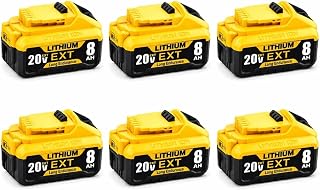


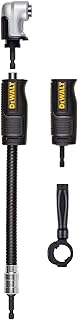
Choosing the right DEWALT cordless angle drill is not simply a matter of selecting the highest torque rating or the newest-looking model. The best choice depends on the type of work you perform, the available space, the materials you drill, the accessories you use, and whether you already own compatible DEWALT batteries and chargers. A compact right-angle drill can be particularly useful where a conventional drill cannot fit, making it relevant for cabinet installation, plumbing, electrical work, framing, renovation and general construction.
For Canadian buyers, it is also worth considering the demands of the working environment. Indoor renovation projects, residential construction, professional trades and cold-weather jobs can place different requirements on a cordless tool. Battery platform compatibility, tool size, chuck design, speed control, ergonomics and overall durability can therefore matter as much as headline power.
This guide expands the buying considerations behind a DEWALT cordless angle drill comparison so you can evaluate specifications more intelligently. Rather than assuming that one model is ideal for everyone, consider the working conditions, materials and applications that match your needs before comparing individual products.
DEWALT has a broad cordless tool ecosystem covering drills, impact drivers, saws, grinders, lighting products and other jobsite equipment. For users already invested in a compatible DEWALT battery platform, choosing an angle drill from the same ecosystem can simplify battery management and reduce the need to maintain multiple charger systems.
The main advantage of a cordless angle drill is accessibility. A conventional drill may have a relatively long body behind the chuck, while a right-angle design places the drilling or driving point at approximately 90 degrees to the motor and handle arrangement. This can make a substantial difference when working between studs, inside cabinets, beneath floors or in other restricted areas.
A right-angle drill should not automatically be considered a replacement for a standard drill. The two tool formats solve different problems. A conventional drill is generally easier to use for open-access drilling because its straight configuration provides a familiar grip and direct alignment with the workpiece. An angle drill becomes more valuable when access is the primary limitation.
For example, drilling through a timber member in an open workshop may not require a right-angle tool. The situation changes when the drilling point is located between framing members, behind plumbing, inside a cabinet or beneath a countertop. In these situations, a compact angle drill can provide access that would otherwise require repositioning the workpiece or using an extension.
Specifications should be evaluated as a group rather than individually. A tool with a high torque figure is not automatically the best option if it is unnecessarily large or heavy for the work you perform. Likewise, a compact model may be convenient but unsuitable for demanding applications if its performance range does not match the accessories and materials involved.
Voltage is one of the first specifications buyers notice, but it should be interpreted alongside the complete battery platform. DEWALT offers cordless tools across different battery systems, and compatibility should be confirmed before purchasing a bare tool.
If you already own several DEWALT cordless tools, staying within the same compatible battery family may be convenient. However, compatibility should never be assumed solely because two products carry the DEWALT name. Check the manufacturer's stated battery requirements for the specific model.
Torque describes the rotational force available from the tool. Higher torque can be useful for demanding drilling and fastening applications, but maximum torque should not be the only deciding factor.
For confined-space work, controllability can be more important than maximum output. A tool that allows the operator to regulate speed and apply the correct amount of force may be easier to use than a substantially more powerful model that is unnecessarily bulky for the job.
Variable-speed operation is important because different materials and drill-bit sizes often require different operating speeds. Smaller accessories commonly require different speed management than larger-diameter bits, while materials such as wood and metal have different drilling requirements.
A useful buying approach is to examine the available speed range and determine whether it accommodates the accessories you expect to use. Do not choose a drill solely because its maximum speed looks impressive.
The chuck determines which drill bits and accessories can be secured by the tool. A larger chuck can accommodate a wider range of accessory sizes, while a smaller chuck may support a more compact design.
Before buying, consider the drill bits, hole saws, screwdriver bits and other accessories already present in your workshop. Confirm that their shank sizes are compatible with the chuck or accessory interface on the angle drill.
For an angle drill, physical dimensions can be especially important. The entire reason for choosing this type of tool is usually improved access. A model that is too long or bulky may provide less practical benefit in the specific space where you intend to work.
Compare the head profile, overall length, handle arrangement and clearance around the chuck. When shopping for confined-space applications, a few centimetres of additional clearance can make a meaningful difference.
Weight becomes more noticeable during overhead work, repetitive drilling and prolonged installation tasks. A heavy tool may feel manageable for a few holes but become tiring during extended use.
Battery size also affects the final working weight. If possible, consider the complete tool-and-battery combination rather than evaluating the bare tool alone.
Motor technology is another major comparison point. Brushless motors are electronically controlled and eliminate conventional carbon brushes. Brushed motors use physical brushes as part of the motor design.
A brushless angle drill can be attractive to users who prioritise efficiency, durability and long-term cordless tool performance. Brushless systems can also provide sophisticated electronic control and efficient power management. However, a brushed tool may still be appropriate when purchase cost, occasional use or a particular specification is the priority.
Brushless does not automatically mean that every model is superior for every application. Compare the complete specification, size, ergonomics, battery system and intended workload before deciding.
A cordless angle drill is only as useful as the battery system supporting it. Buyers should consider battery capacity, runtime expectations, charging requirements and compatibility with other tools.
Battery capacity is commonly expressed in amp-hours. A higher-capacity battery can provide more stored energy, although it can also add weight and bulk. For a compact angle drill, the lightest compatible battery may be preferable for overhead or precision work, while a larger battery may be useful for demanding applications.
A bare tool can make sense if you already have compatible DEWALT batteries and a charger. This avoids purchasing duplicate accessories. A complete kit may be more practical for someone entering the battery platform for the first time.
Right-angle drills are often used in positions where the operator has limited room to move. This makes ergonomics particularly important. Look at the handle shape, trigger position, balance, grip texture and overall centre of gravity.
A tool that feels balanced can be easier to control when drilling at an unusual angle. The operator should also be able to reach the trigger naturally without excessively repositioning the hand.
Woodworking applications can range from small pilot holes to large-diameter holes through framing timber. The correct drill therefore depends heavily on the accessories and hole sizes involved.
For cabinet work and furniture installation, compactness and control may be more important than maximum power. For construction framing, buyers may place greater emphasis on torque, battery capacity and compatibility with larger drilling accessories.
Use sharp, appropriate drill bits and follow the operating recommendations supplied for both the tool and accessory. Avoid forcing the drill through material simply because the motor appears capable of handling additional load.
Plumbers frequently encounter restricted access around framing, pipework and fixtures. A right-angle drill can be useful when drilling through timber or other suitable construction materials without sufficient clearance for a standard drill.
However, the tool should be selected according to the exact material and accessory being used. A compact angle drill is not automatically appropriate for every plumbing-related task. Buyers should distinguish between drilling for pipe routing and specialised tasks that require dedicated equipment.
When working around existing pipes, cables or other hidden services, confirm the location of utilities before drilling. Tool compactness does not eliminate the need for safe work practices.
Electrical installers often work in wall cavities, framing spaces, cabinets and other locations where conventional drill bodies can be difficult to position. A right-angle configuration can make these tasks more manageable.
For electrical work, size and control can be especially valuable. The operator may need to position the drill accurately while avoiding nearby components. Always follow applicable Canadian electrical safety requirements and confirm that the work area is safe before drilling.
Renovation work frequently creates access problems that are difficult to predict in advance. Walls, cabinets, flooring, framing and existing installations can leave only a small working area.
For these projects, consider a model that balances compactness with enough power for the drilling accessories you actually intend to use. A highly specialised compact tool can be ideal for accessibility, while a more powerful model may be preferable when the project involves frequent heavy drilling.
The drill is only one part of the drilling system. The accessory determines how efficiently the tool interacts with the workpiece. Drill bits should be selected for the material, required hole size and intended application.
Premium accessories from established manufacturers such as DEWALT, Bosch, Milwaukee and Makita can be worth comparing when accessory performance is important. Compatibility with the specific chuck and recommended operating conditions should always be confirmed.
Maximum power is attractive, but an unnecessarily powerful tool can be heavier and less convenient. Start with the application and then identify the performance level required.
For an angle drill, physical size is fundamental. Measure the areas where you expect to work and compare those dimensions with the tool's published specifications.
A bare-tool price can look attractive until the cost of batteries and a charger is added. Determine whether you already have a compatible DEWALT battery system before comparing total purchase costs.
Torque should be considered alongside speed, weight, dimensions, chuck capacity, ergonomics and battery requirements.
Existing drill bits and accessories may not fit every chuck or interface. Check compatibility before committing to a particular model.
Compact installation drills, heavy-duty right-angle drills and specialised trade-oriented models can have very different design priorities. Compare intended applications rather than treating every model as interchangeable.
A structured comparison can make purchasing easier. Start by listing your actual requirements rather than looking at product rankings first.
DEWALT is not the only manufacturer worth considering. Buyers comparing cordless angle drills may also encounter products from Makita, Milwaukee, Bosch and other established power-tool manufacturers.
The most useful comparison is not simply brand versus brand. Instead, compare the specific models according to dimensions, battery ecosystem, torque, speed, chuck design, weight, ergonomics and intended application.
For an existing DEWALT user, platform compatibility may make DEWALT the more convenient choice. A buyer starting from scratch may have more freedom to evaluate complete cordless ecosystems and choose the platform that best matches their broader tool requirements.
A cordless tool purchase can influence future purchases because batteries and chargers are often shared across compatible tools. This makes the battery platform an important long-term consideration.
If you expect to purchase additional saws, impact drivers, grinders, lights or other cordless equipment, investigate the available ecosystem before committing to a battery family. A slightly different drill specification may be less important than choosing a platform that supports the tools you expect to need later.
Proper maintenance helps keep a cordless drill ready for work. Always follow the manufacturer's maintenance and safety instructions for the specific model.
Compact tools can make difficult work easier, but they still generate significant rotational force. Wear appropriate eye protection and other protective equipment for the task. Secure the workpiece whenever practical and maintain a stable position before operating the drill.
Inspect the drilling location before beginning. Hidden electrical wiring, plumbing and structural components can create serious hazards. In renovation work, do not assume that a wall or framing member is free from concealed services.
Use the correct accessory and operating speed for the material. Avoid excessive pressure, especially when an accessory becomes stuck. Follow the safety instructions supplied with the specific DEWALT model, battery and accessory.
Battery runtime depends on workload, material, accessory size, operating technique and battery capacity. There is no single runtime figure that applies to every job.
Using the correct accessory can reduce unnecessary load. Avoid dull bits, excessive pressure and prolonged operation when the task can be completed more efficiently with the correct drilling technique. For repetitive work, having a second compatible battery can also reduce interruptions, provided the additional battery weight and purchase cost fit the application.
Prioritise manageable weight, ease of use, compatibility with the accessories you already own and sensible overall cost. A specialised professional-grade specification may be unnecessary for occasional household projects.
Look for a balanced combination of access, battery capacity, speed control and versatility. Renovation work can involve many different materials and working positions, so a highly specialised specification may not always be the most practical.
Frequent users should place greater emphasis on durability, ergonomics, battery ecosystem, workload capability and serviceability. The best professional choice is often the tool that performs consistently across the tasks encountered most frequently.
Compact dimensions and access should receive particular attention. A model that fits comfortably between framing and around existing installations may offer more practical value than a larger model with higher headline performance.
Consider power, accessory compatibility, battery capacity and durability alongside physical dimensions. If the drill will regularly handle larger accessories or demanding timber applications, verify that the selected model is designed for that workload.
Customer reviews can provide useful information, but they should be interpreted carefully. Look for recurring comments rather than relying on one exceptionally positive or negative review.
Pay attention to comments concerning battery compatibility, ergonomics, chuck performance, size, balance, durability and the specific applications mentioned by reviewers. A complaint about weight may be irrelevant to one buyer but highly important to someone performing overhead installation work every day.
Also distinguish between verified customer feedback and general promotional claims. Product specifications should be checked against the manufacturer's information, while customer reviews are best used to understand practical ownership considerations.
Product listings can change over time, particularly for cordless tools sold in multiple configurations. Before purchasing, verify the exact model number rather than relying solely on product photographs.
Canadian buyers should compare products based on the configuration actually offered for the Canadian market. Product names can appear similar while package contents, battery configurations and model numbers differ.
When comparing current listings in 2026, check the exact model number, included accessories and battery configuration. Prices and availability can change, so a product that appears attractive in one listing should be evaluated using the current specifications and total package rather than an older advertised configuration.
For Canadian shoppers, it is also sensible to confirm that the charger supplied with a kit is appropriate for the intended electrical environment and that the product documentation corresponds to the model being purchased.
A DEWALT cordless angle drill is primarily useful for drilling and fastening where the restricted working area makes a conventional straight drill difficult to position. Typical applications can include framing, cabinetry, plumbing, electrical installation and renovation work.
Some models are designed for demanding professional applications, while others are better suited to lighter work. Check the individual model's specifications and intended application rather than assuming every angle drill has the same duty capability.
Brushless technology can offer advantages in efficiency, motor control and long-term use, but the best choice depends on the application. Compare the complete specification, dimensions, weight, battery platform and workload requirements.
No. Battery compatibility depends on the specific tool and battery platform. Always verify compatibility for the exact model before purchasing or installing a battery.
If you already own compatible batteries and a charger, a bare tool may be sufficient. If you are new to the relevant battery platform, a complete kit may be more practical. Compare the total cost and included equipment.
It depends on the work. Compact dimensions are particularly important in confined spaces, while torque becomes more important when drilling larger holes or working with demanding materials. The best choice balances both according to your application.
Not in every situation. An angle drill is designed to improve access in restricted areas, while a conventional drill may be more comfortable and versatile for open-access drilling. Many users may find that the two formats serve different purposes.
They can be useful for woodworking, particularly where framing, cabinets or other structures restrict access. The appropriate model depends on the hole sizes, materials and accessories involved.
Some models can be used for appropriate metal-drilling applications when paired with suitable accessories and operated according to manufacturer recommendations. Always verify that the specific tool and accessory are appropriate for the intended material.
Consider the balance between runtime and weight. A larger-capacity battery can provide more stored energy but may increase tool weight. For repetitive heavy work, additional capacity can be useful; for overhead or precision work, a lighter compatible battery may be preferable.
The best DEWALT cordless angle drill for a Canadian buyer is the model that fits the actual working environment rather than simply the model with the longest feature list. Start with access requirements, then compare power, speed, chuck compatibility, dimensions, weight, battery platform and ergonomics.
If you already use DEWALT cordless equipment, battery compatibility can be an important advantage. If you are building a cordless tool collection from the beginning, consider the wider ecosystem as well as the individual drill.
Before purchasing, compare the exact model number, current specifications, kit contents and recent customer feedback. Check today's retailer pricing and availability separately because these details can change. Most importantly, select the tool according to the materials, hole sizes, working positions and frequency of use you actually expect.
A well-matched angle drill should make restricted-space work easier without introducing unnecessary size, weight or complexity. By comparing the complete specification instead of relying on a single headline feature, Canadian buyers can make a more informed decision when evaluating DEWALT cordless angle drills in 2026.