
♥ Wishlist
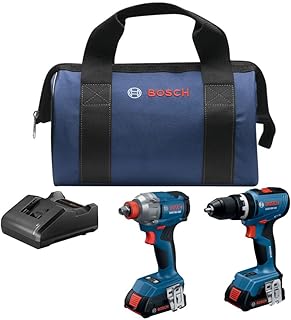


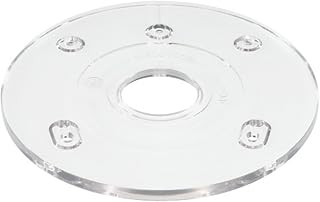





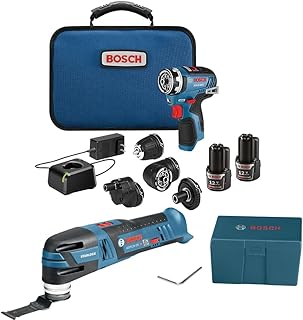
A Bosch cordless router can give Canadian woodworkers the freedom to route without managing a power cord around the workpiece. Whether you are shaping cabinet edges, trimming laminate, cutting grooves or working on detailed joinery, the right router should match the material, cutter, cutting depth and type of work you perform most often. Instead of choosing solely by advertised motor performance, consider the complete tool: battery platform, base design, depth adjustment, speed control, collet size, handling and included accessories.
For mobile woodworking and installation work, cordless operation can make repositioning easier and keep the immediate work area less cluttered. A compact router can also be convenient for edge treatments and trimming where visibility and control are more important than maximum material removal. If your projects involve heavier routing or longer sessions, battery capacity, motor efficiency, thermal performance and overall balance become increasingly important.
Battery compatibility is one of the most important considerations when comparing Bosch cordless routers. Bosch offers cordless tools across different battery platforms, and a Bosch battery should not be assumed to fit every Bosch cordless tool. Check the exact router model and its required battery system before ordering. If you already own compatible Bosch batteries and a charger, a tool-only package may offer a practical way to expand your existing collection.
If you are building a cordless tool setup from scratch, compare the complete cost rather than looking only at the router price. A kit containing a compatible battery and charger may be more convenient, while a bare tool can make better financial sense for someone who already owns the appropriate power system. Battery capacity is another consideration: larger-capacity packs may provide longer operating time but can add weight to a compact router.
The router base affects what types of cuts you can make and how easily you can control the tool. A fixed base is useful for edge routing, trimming, profiling and similar operations where the cutter starts outside or at the edge of the workpiece. A plunge-style configuration allows the cutter to enter the material during the cut, which can be useful for mortises, stopped grooves and interior routing.
Depth adjustment is equally important. Precise adjustment helps when creating repeated profiles, dados, grooves and joints where consistency matters. When comparing Bosch router configurations, check whether the required base, guide or accessory is included. Product images may show accessories that are not included with every package, so always use the written package contents and exact model number as your reference.
Variable-speed control can make a cordless router more versatile across different materials and cutter sizes. The appropriate speed depends on the router bit, cutter diameter, material and manufacturer recommendations. Larger cutters generally require more attention to rotational speed, while smaller trimming bits may operate at different settings. Maximum speed is not automatically the best speed for every task.
The collet is another essential specification. Confirm which router-bit shank sizes the specific Bosch model accepts before purchasing. Do not assume that every bit in your workshop will fit a particular router. Cutter diameter, shank size, maximum permitted cutter size and operating speed should all be considered together. Use only bits suitable for the router and application, and follow the manufacturer's operating limits.
Routing can generate substantial chips and fine dust, particularly when working with MDF, plywood and other engineered wood products. A compatible dust-extraction connection can improve visibility around the cutter and reduce cleanup. If you already use a shop vacuum, check the router's dust port or adapter requirements before buying so your existing equipment can be used effectively.
Ergonomics also deserves attention. Tool weight alone does not determine how comfortable a router will be. Battery position, grip design, switch placement, base footprint and centre of gravity all influence control. For detailed edge work, a compact and well-balanced configuration can be easier to guide. For longer sessions, consider battery weight and overall handling as part of the buying decision.
Bosch cordless routers can be useful for a wide range of woodworking applications when the model and cutter are correctly matched to the job. Edge profiling is a popular use, including roundovers and chamfers. Compact routing setups can also be useful for trimming laminate and veneer when paired with an appropriate bit and controlled feed rate.
Grooves and dados require accurate positioning and consistent depth, so a straightedge, guide or suitable jig can improve repeatability. Routers can also support joinery tasks such as rabbets and mortises when the configuration is appropriate. For substantial material removal, several controlled passes can provide better control than attempting to cut the entire depth in one operation.
Canadian shoppers should verify the exact model designation, battery configuration, package contents and current specifications before purchasing. Product availability and pricing can change, and package configurations may differ between markets. Check whether the listing is for a bare tool or a complete kit, and make sure the included battery, charger, bases and guides match your intended use.
For beginners, prioritise predictable handling, stable base support, straightforward depth adjustment and compatibility with the bits you plan to use. For frequent or demanding woodworking, place more emphasis on motor performance, battery capacity, base stability, speed control and thermal management. Regardless of the model, secure the workpiece, use appropriate eye and hearing protection, manage dust properly and follow Bosch's instructions for setup, operation and maintenance.
There is no single Bosch cordless router that is ideal for every application. The best choice depends on your existing battery ecosystem, the type of routing you perform, the cutters you use and the level of portability you need. Comparing these factors before ordering helps you avoid buying an incompatible battery platform, unsuitable base configuration or unnecessary accessories.
Use this category to compare Bosch cordless router options and identify the configuration that fits your woodworking workflow. Pay close attention to the exact model, included components and compatibility information so the router you choose is ready for the work you expect it to perform.
Find Bosch cordless routers suited to trimming, edge profiling, grooves, joinery and other woodworking applications. Compare battery platforms, router bases, speed control, collet compatibility, ergonomics and kit contents to choose the right setup for your Canadian workshop or jobsite.