

♥ Wishlist
We analyzed 11 of the most popular Cordless Bandsaws available in ca. Compare features, customer reviews, ratings, and expert recommendations to help you choose the best option in 2026.
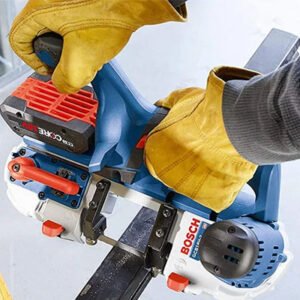
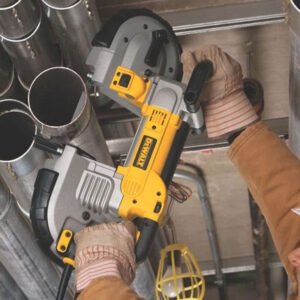
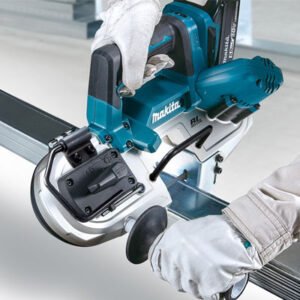
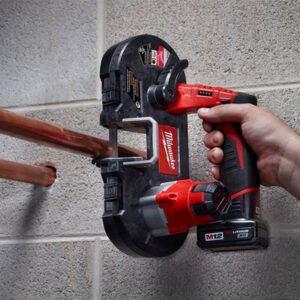
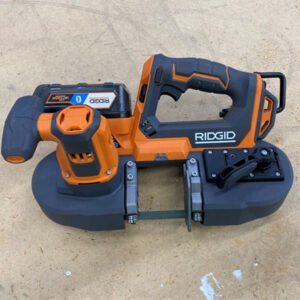


Choosing the best cordless bandsaw in Canada is less about finding the machine with the biggest headline specification and more about matching the saw to the material, cutting capacity, portability requirements and battery platform you already use. A compact cordless bandsaw can be extremely useful for electrical, plumbing, HVAC, fabrication, automotive, construction and maintenance work where carrying a cord or finding an electrical outlet would slow the job down.
For Canadian buyers, the decision also deserves attention to battery compatibility, tool weight, cold-weather working conditions, blade availability and the type of service work the saw will perform. A tool that is excellent for cutting conduit and threaded rod may not be the right choice for larger structural steel, while a heavier high-capacity model can become tiring when used overhead or from a ladder.
This guide focuses on the characteristics that matter when comparing cordless bandsaws sold or supported in the Canadian market. Product specifications, included accessories, battery configurations and retailer availability can change, so always verify the current manufacturer's specification sheet and retailer listing before purchasing.
A cordless bandsaw uses a continuous toothed blade that travels around two wheels to make controlled cuts through metal, plastic, wood or other compatible materials. Unlike a reciprocating saw, the blade moves continuously in one direction around the wheels rather than rapidly reversing back and forth.
That design provides several practical advantages. A bandsaw can produce a relatively narrow kerf, make controlled cuts and create less of the aggressive vibration associated with some reciprocating tools. For metalworking, a portable bandsaw is particularly useful for cutting pipe, conduit, tubing, threaded rod, angle stock and similar materials.
The cordless format eliminates the need for an extension cord. This is especially valuable on construction sites, in service vehicles, inside mechanical rooms and at locations where electrical power is inconvenient or unavailable.
Portability is the main reason to choose a cordless model. The operator can bring the saw directly to the workpiece instead of moving the material to a stationary machine. That can make a significant difference when cutting installed pipe, conduit or structural components.
Several established power-tool manufacturers offer cordless bandsaws or portable bandsaw families. The most useful comparison is not simply brand versus brand; it is the combination of capacity, battery platform, ergonomics, blade system and intended application.
Brand selection should come after identifying the required cutting capacity and application. Owning several compatible batteries is a legitimate reason to favour one platform, but it should not outweigh an important capacity or ergonomic requirement.
The following factors provide a more useful buying framework than relying on a simple star rating or a single specification.
Cutting capacity describes the maximum size of material the saw can accommodate. It is one of the most important specifications because a lightweight compact bandsaw and a larger deep-cut model are designed for different jobs.
Think about the largest pipe, tubing, conduit, channel or other stock you are realistically going to cut. Do not select a saw solely because its advertised capacity is close to your requirement. Some clearance is useful because the workpiece may have an irregular shape, fittings may be present, or access may be restricted.
For repetitive work involving larger stock, a higher-capacity saw can be worth the additional size and weight. For electrical or service work involving smaller conduit and tubing, a compact design may be more convenient.
The blade is the cutting component that ultimately determines how effectively the saw works with a particular material. Blade dimensions vary by bandsaw design, so replacement blades must match the manufacturer's requirements.
Blade speed is normally expressed in surface feet per minute or a comparable specification. Some cordless bandsaws provide variable speed control, which can make the tool more versatile when switching between materials.
Do not assume that maximum blade speed is automatically better. Metal cutting often requires a different speed and tooth configuration from woodworking. The correct combination of speed, blade tooth pitch and feed pressure is more important than chasing the highest numerical speed.
Variable speed is useful when one tool must handle different materials. Slower settings can be appropriate for certain metal-cutting applications, while higher settings may be useful for compatible materials and specific blades.
A variable-speed trigger also gives the operator better control during the start of a cut. This can be particularly helpful when positioning the blade on a narrow workpiece.
Many premium cordless bandsaws use brushless motors. Brushless motor technology eliminates conventional carbon brushes and can provide an efficient, electronically controlled drive system.
For a cordless tool, efficiency matters because motor performance affects how effectively available battery energy is converted into useful cutting work. A brushless motor can therefore be an attractive feature for frequent users, although motor technology should still be considered alongside gearing, blade design, battery capacity and overall tool architecture.
Voltage alone does not tell you how long a cordless bandsaw will run. Battery capacity, normally expressed in ampere-hours, is also important, while the actual runtime depends heavily on material, blade condition, cutting frequency and operator technique.
For occasional cutting, a compact battery can help keep the tool lightweight. For repeated production-style cuts, a larger-capacity battery may reduce interruptions. The trade-off is additional weight, which can matter when the tool is used overhead.
If you already own cordless tools from Milwaukee, DeWalt, Makita, Bosch, RYOBI or another manufacturer, staying within the same compatible battery family may simplify charging and battery management. Always verify exact compatibility rather than assuming that batteries sharing a brand name or voltage are interchangeable across product generations.
Tool weight becomes particularly important with portable bandsaws because the operator typically holds the machine while guiding the cut. A saw that feels manageable for one or two cuts can become tiring during a full day of repetitive work.
Look beyond the advertised bare-tool weight. The real working weight can include the battery and installed blade. A larger battery may improve runtime while making the complete tool significantly heavier.
Balance is equally important. A well-positioned handle and motor can make a heavier saw feel easier to control than a lighter model with an awkward centre of gravity.
Look for a handle that allows a secure grip without forcing the wrist into an uncomfortable position. Rubberized grip areas, a well-placed trigger and sufficient clearance around the blade housing can all improve handling.
If possible, evaluate how the saw would feel when cutting both horizontally and vertically. A tool intended for overhead service work has different ergonomic requirements from one used primarily on a workbench.
Controls should be easy to operate without forcing the operator to change grip unnecessarily. A lock-off or safety mechanism can help prevent accidental activation during transport, while variable-speed trigger control can help manage the beginning of a cut.
Before buying, consider whether you will frequently wear gloves. A trigger that feels comfortable with bare hands may feel different when the operator is wearing thicker work gloves.
An integrated LED can be useful when cutting inside cabinets, mechanical rooms, service spaces and other areas with limited lighting. It is not a substitute for adequate jobsite lighting, but positioning illumination near the blade can make the cutting line easier to see.
The blade area should be designed to reduce unnecessary exposure to the moving blade. Blade guards, trigger safety mechanisms and appropriate housing are important features to evaluate.
Safety equipment and correct operating technique remain essential. Wear suitable eye protection and follow the manufacturer's instructions for the material being cut. Metal cutting can create hot chips and sharp edges, while damaged or incorrectly installed blades can create additional hazards.
One of the most useful distinctions when shopping is the difference between compact and deep-cut designs.
Compact models prioritize portability, manoeuvrability and reduced weight. They are well suited to service technicians, electricians, plumbers and maintenance workers who frequently make smaller cuts.
Deep-cut designs provide greater clearance around the blade and can accommodate larger workpieces. They make more sense when cutting capacity is a recurring requirement.
The right choice depends on the largest material you actually cut, not the largest material you might encounter once a year.
A good bandsaw can perform poorly when paired with the wrong blade. Blade selection should account for the material, thickness and shape of the workpiece.
Tooth pitch determines how closely the teeth are spaced. Fine-tooth blades are generally better suited to thinner materials, while coarser tooth patterns can be appropriate for thicker stock.
For variable-thickness material, variable-pitch blades can provide a useful compromise. The correct choice should always follow the blade manufacturer's recommendations for the intended material.
Bi-metal blades are widely associated with metal-cutting applications because they combine different materials in the blade construction to balance tooth hardness and flexibility. They are a practical category to consider when cutting steel and similar materials.
Carbon steel blades can be appropriate for certain materials and applications, particularly where the cutting requirements are less demanding. Their suitability depends on the bandsaw and the material being cut.
Blade width and thickness influence flexibility, tracking and cutting behaviour. Use only blade dimensions and configurations approved for the specific saw.
Portable cordless bandsaws are particularly useful for metal cutting because they can make controlled cuts without the sparks and abrasive-wheel characteristics associated with some other cutting methods. However, the absence of an abrasive wheel does not mean the process is risk-free.
Secure the workpiece before cutting. Let the blade establish contact rather than forcing it into the material. Excessive downward pressure can reduce blade life and produce poor cuts.
Blade condition is also critical. A dull blade may encourage the operator to push harder, increasing heat and reducing control. If cutting performance deteriorates, inspect the blade rather than automatically increasing feed pressure.
Both tools can cut metal, but their operating characteristics are different.
If your primary work involves repetitive straight cuts through metal stock, a bandsaw may be the more specialized solution. If your work varies from demolition to wood cutting, pruning and flush cutting, a reciprocating saw may be more versatile.
An angle grinder is another common metal-cutting tool, but the two machines solve different problems.
A grinder can be highly versatile and may handle cutting, grinding and surface preparation with the appropriate accessories. A bandsaw is more specialized and can be preferable when controlled cuts through tubing, pipe or bar stock are the priority.
Grinding wheels can produce sparks and significant airborne particles, so work-environment requirements should be considered carefully. A bandsaw can be advantageous when the application calls for a different cutting method and the manufacturer's blade recommendations support the material.
The main advantage of a corded bandsaw is continuous access to electrical power. For stationary workshop use or high-volume cutting near an outlet, corded equipment can make sense.
A cordless bandsaw wins when mobility matters. Construction workers, field technicians and service professionals can work without locating an outlet or managing an extension cable.
There is no universally superior format. Consider where the saw will be used, how many cuts are made per day and whether battery changes would interrupt the workflow.
When comparing several cordless bandsaws, create a specification checklist rather than looking at price alone.
Canadian buyers often have a choice between a bare tool and a kit containing a battery and charger. The better value depends on the battery platform already present in your workshop.
If you already have several compatible batteries and a charger, a tool-only configuration may avoid unnecessary duplication. If this is your first tool in a particular ecosystem, a complete kit can be more practical.
Compare the total cost rather than the advertised tool price. A seemingly inexpensive bare tool may require a battery and charger, while a kit may include accessories that you would otherwise purchase separately.
Manufacturers can provide battery-related specifications, but real-world runtime varies significantly. Cutting large steel stock continuously demands more energy than making occasional cuts through smaller tubing.
Several factors affect runtime:
For professional users, carrying a second compatible battery can sometimes be more useful than choosing the largest possible battery. For overhead work, however, the extra weight of a large pack may be undesirable.
Canadian operating conditions deserve special consideration. Lithium-ion batteries and cordless tools can behave differently in very cold environments. Battery performance can be reduced at low temperatures, and charging a battery that is outside the manufacturer's permitted temperature range can be inappropriate.
Do not assume that a battery stored overnight in a cold vehicle should immediately be charged or heavily loaded. Follow the battery manufacturer's instructions for storage, operating temperature and charging conditions.
For mobile tradespeople, keeping batteries protected from extreme cold and allowing them to return to an appropriate temperature before use can be an important part of battery management.
A larger saw is not automatically a better saw. If most of your work involves small conduit and tubing, excessive capacity can add weight without providing a meaningful benefit.
Buying a tool that uses an unfamiliar battery platform can introduce additional chargers, batteries and storage requirements. Consider the complete cordless system you expect to maintain over several years.
Two tools may have similar advertised prices but completely different kit contents. Always determine whether the listing includes the battery, charger, carrying case and blades.
Motor output is only one part of cutting performance. Gear reduction, blade quality, speed control, battery technology and overall mechanical design all affect how a bandsaw performs.
A cordless bandsaw is only useful if suitable replacement blades are readily obtainable. Confirm the required blade dimensions and tooth configurations before committing to a particular tool.
Weight matters more when the saw is used throughout the day or in awkward positions. Compare the weight of the complete tool with its intended battery, not only the bare-tool specification.
Blade selection is application-specific. Using an unsuitable blade can reduce cutting quality and blade life and may create an unsafe operating condition.
Even a high-quality bandsaw benefits from good cutting technique.
Routine maintenance can help preserve cutting performance and identify problems before they become more serious.
Remove accumulated chips and debris from accessible areas after use. Pay attention to areas around the blade path and housing, while following the manufacturer's cleaning instructions.
Look for broken teeth, excessive wear, cracks or other signs of damage. A damaged blade should not be treated as a minor performance issue.
If the blade does not track correctly, stop using the tool and consult the manufacturer's instructions. Incorrect tracking can affect cut quality and component life.
Keep battery interfaces clean and free from debris. Do not use damaged batteries or batteries showing signs of physical damage.
Battery storage should follow the battery manufacturer's recommendations. Avoid leaving batteries exposed to unsuitable temperatures for extended periods.
A cordless bandsaw is particularly useful for professionals and serious DIY users who frequently cut metal or other compatible stock away from a stationary workshop.
A cordless bandsaw may be unnecessary if your cutting needs are infrequent or primarily involve demolition and irregular cuts. In those cases, a reciprocating saw may offer greater versatility.
Similarly, users who perform high-volume workshop cutting may benefit more from a stationary bandsaw, depending on the material, required capacity and available workspace.
Professional users generally place greater emphasis on durability, ergonomics, battery availability, serviceability and repeated-use performance. A tradesperson may use the same saw hundreds or thousands of times over its working life, making small ergonomic differences important.
DIY users may reasonably prioritize price, occasional-use convenience and compatibility with tools they already own. A homeowner who makes a few cuts per month does not necessarily benefit from paying for every professional-oriented feature.
The correct purchase is therefore the model that matches the workload rather than the model with the most premium positioning.
For an objective comparison, score each candidate against the requirements that matter most to you.
Value should not be confused with the lowest purchase price. A good-value bandsaw provides the required capacity, works within a suitable battery ecosystem and has replacement consumables that fit the intended workload.
For a professional user, a slightly more expensive tool may make more sense if it improves ergonomics, capacity or battery compatibility. For occasional DIY use, paying for capabilities that will never be used may provide little practical benefit.
Before purchasing, compare the complete ownership equation: tool, batteries, charger, replacement blades and any required accessories.
Customer reviews can provide useful information about ergonomics, packaging, perceived durability and everyday usability, but they should not replace technical specifications. A reviewer cutting small aluminium tubing has a very different use case from a contractor cutting steel pipe throughout the day.
Look for reviews that explain the application, material, battery used and frequency of use. Reviews containing specific context are generally more useful for comparison than comments that simply state that a product is good or bad.
It is also useful to compare several sources rather than relying on a single rating. Check the manufacturer's specifications, independent technical information and verified customer feedback before making a final decision.
When comparing Canadian listings, verify the exact model number because similar tools can be sold in several configurations. The same basic machine may appear as a bare tool, a kit or a package with different accessories.
Check whether the listed battery and charger are included, whether the retailer identifies the Canadian model correctly and whether replacement blades match the exact saw. Also review the current manufacturer's warranty conditions and the retailer's return policy before purchasing.
Availability and pricing can change during 2026, so current retailer information should be checked at the time of purchase rather than relying on an older price comparison.
If you are uncertain which type of cordless bandsaw to buy, use this simple decision process.
There is no single best model for every Canadian buyer. The right choice depends on cutting capacity, material, battery platform, tool weight, blade availability and workload. A compact model can be the better choice for portable service work, while a larger model can be more appropriate for high-capacity metal cutting.
Yes, cordless bandsaws can be highly useful for suitable metal-cutting applications when paired with the correct blade and operated according to the manufacturer's instructions. Blade selection, material thickness, speed and cutting technique all influence the result.
Some bandsaws and compatible blades are designed for stainless steel, but suitability depends on the specific tool and blade. Check the manufacturer's approved applications and blade recommendations before cutting stainless steel.
Some cordless bandsaws can cut aluminium when equipped with a suitable blade and operated at an appropriate speed. Always follow the manufacturer's material and blade recommendations.
Some portable bandsaws may be designed primarily for metal cutting, while other bandsaws are intended for woodworking. Do not assume that a metal-cutting portable bandsaw is suitable for wood. Verify the manufacturer's intended application before changing materials.
A brushless motor can be an attractive feature because of its efficient electronic motor design and reduced reliance on replaceable carbon brushes. However, overall tool design, blade quality, battery technology and intended application remain important.
Voltage labels should not be compared in isolation because manufacturers use different naming conventions for their battery systems. Compatibility with your existing tools, actual cutting performance, battery capacity and tool design are more useful decision factors.
There is no universal runtime figure. Battery capacity, material, blade condition, cutting frequency, speed and operator technique can all substantially change runtime. A larger-capacity battery generally provides more stored energy but also adds weight.
Like all power saws, cordless bandsaws require appropriate safety precautions. Follow the manufacturer's operating instructions, use suitable eye protection, secure the workpiece when appropriate and keep hands away from the moving blade.
The appropriate blade depends on the metal type, thickness and bandsaw model. Bi-metal blades are commonly associated with metal-cutting applications, but the correct tooth pitch and blade dimensions must be selected according to the workpiece and manufacturer guidance.
Blade life depends on material, tooth configuration, cutting frequency, technique and maintenance. Replace a blade when it becomes excessively worn, damaged or no longer cuts properly rather than relying on a fixed calendar interval.
No. Battery compatibility should be confirmed for the exact tool and battery system. Do not assume that every battery bearing the same brand name will be compatible.
A tool-only model can make sense when you already own compatible batteries and chargers. If you do not have a suitable battery platform, compare the cost of purchasing the battery and charger separately with the price of a complete kit.
Neither specification is universally more important. Cutting capacity determines the size of material the saw can accept, while speed affects suitability for particular materials and cutting conditions. Select both according to the work you actually perform.
Higher-priced models can offer features that matter to professional users, such as greater capacity, advanced motor systems, improved ergonomics or integration with a professional battery ecosystem. Occasional users may receive better value from a simpler model that satisfies their actual requirements.
The best cordless bandsaw for your needs is the one that fits your material, capacity requirements, battery ecosystem and working style. For tradespeople who spend significant time cutting conduit, pipe or tubing, portability and ergonomics can be more important than maximum theoretical capacity. For fabrication and heavier metal work, cutting capacity, blade selection, battery endurance and durability deserve greater weight.
Milwaukee, DeWalt, Makita, Bosch, RYOBI and Metabo HPT are among the established brands worth comparing when their cordless platforms and product specifications match your requirements. Rather than choosing purely by brand or customer rating, compare the exact model, included equipment, blade specifications, battery configuration and intended application.
Before placing an order, verify the latest Canadian specifications and current availability, compare the complete cost of the tool and battery system, and make sure the saw is designed for the materials you intend to cut. That approach provides a more reliable basis for choosing a cordless bandsaw than simply selecting the model with the highest rating or the most powerful-looking specification.