

♥ Wishlist
We analyzed 3 of the most popular Cordless Angle Drills for Tight Spaces and Precision Work available in ca. Compare features, customer reviews, ratings, and expert recommendations to help you choose the best option in 2026.
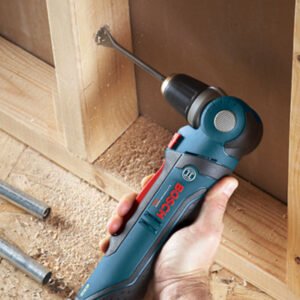
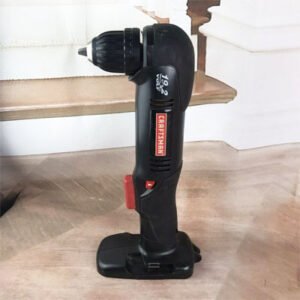
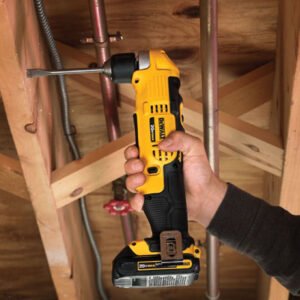
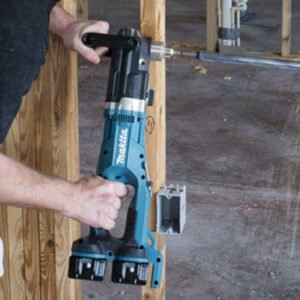
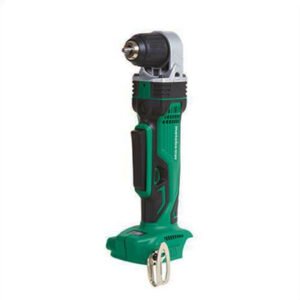
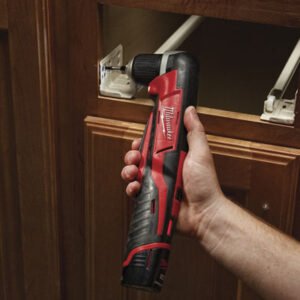
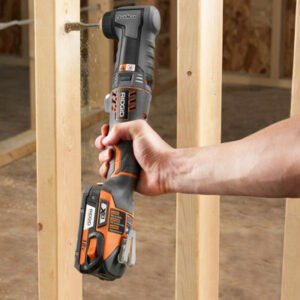
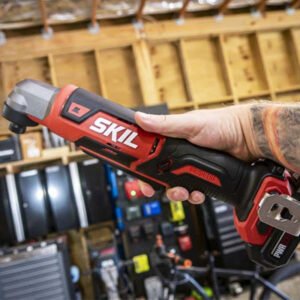


A cordless angle drill is designed for situations where a conventional drill or impact driver cannot fit comfortably. Its compact right-angle head can make it substantially easier to drill or drive fasteners between studs, inside cabinets, beneath joists, around plumbing, and in other confined spaces. For Canadian buyers, the best choice depends not only on power but also on battery platform, head size, ergonomics, chuck design, speed control, durability, and the type of material being worked.
When comparing cordless right-angle drills, avoid judging models solely by advertised voltage or maximum torque. Two drills with similar battery ratings can behave very differently because of gear reduction, motor design, electronic controls, transmission construction, and the physical dimensions of the tool. A compact model may be preferable for cabinet installation, while a heavier high-torque machine can be more appropriate for construction drilling.
The defining advantage of an angle drill is accessibility. A standard drill places the chuck and motor behind the bit in a relatively long straight configuration. A right-angle drill changes that geometry, allowing the bit to sit perpendicular to the main body of the tool.
An angle drill is not automatically a replacement for a conventional drill. Its greatest benefit is access rather than simply producing more drilling power. For many users, the most valuable specification is therefore the total tool length and head profile rather than the headline torque figure.
Battery voltage provides useful context, but it should not be treated as a direct measurement of drilling performance. Cordless tools within a manufacturer's battery ecosystem can have very different motors, gearboxes, and electronic controls.
For Canadian buyers who already own cordless tools, battery compatibility can be one of the most important purchasing considerations. Platforms from brands such as DeWalt, Milwaukee, Makita, Bosch, and Ryobi cover multiple tool categories, allowing an existing battery investment to influence the decision.
Before selecting a bare-tool angle drill, confirm the exact battery platform and whether your existing batteries are compatible. A lower-priced tool can become considerably less economical if it requires a completely different battery, charger, and accessory ecosystem.
Compact dimensions are particularly important for right-angle drills. A tool with a large head can still be difficult to position in a narrow cavity even if its body is relatively short.
Compare the following dimensions where manufacturers provide them:
For cabinet work and other precision applications, a smaller head can be more useful than additional torque. For structural drilling, the balance may shift toward a larger gearbox and greater sustained capacity.
Chuck capacity affects which drill bits and accessories can be used. Common cordless angle drills use keyed or keyless chuck arrangements, while some specialized compact tools use alternative bit-holding systems.
A keyless chuck is convenient for frequent bit changes, whereas a keyed design can provide a very secure grip when the application demands it. Buyers should also examine the manufacturer's stated chuck capacity rather than assuming that every angle drill accepts the same range of accessories.
Variable speed is valuable because different materials and bit types require different operating speeds. High speed can be useful for smaller-diameter drilling, while slower operation can provide better control for larger bits or demanding materials.
A two-speed mechanical transmission can be particularly useful when the drill must perform both relatively fast drilling and slower high-load work. Electronic speed control can further improve usability by allowing the operator to modulate speed from the trigger.
Torque matters when drilling larger holes or driving fasteners under load, but maximum torque figures do not tell the entire story. Practical performance also depends on the gear ratio, motor efficiency, battery condition, bit sharpness, material, and electronic load management.
For demanding construction applications, examine whether the manufacturer specifies operating modes, speed ranges, drilling capacities, and other application-oriented information. These details often provide more useful buying information than a single maximum-torque number.
Brushless motors have become common in higher-end cordless power tools. They eliminate conventional carbon brushes and use electronic motor control instead. This can provide advantages in efficiency, runtime, heat management, and motor longevity, although the exact benefit varies by tool and application.
Brushed models can still be sensible for occasional users who prioritize purchase cost. If the drill will be used frequently, subjected to sustained loads, or integrated into a larger professional cordless system, a brushless model may be worth considering.
Do not assume that every brushless angle drill is automatically better for every buyer. Tool dimensions, control, battery compatibility, chuck design, and ergonomics can outweigh motor technology for a particular application.
Drilling in confined spaces often means working with the wrist and forearm in unusual positions. A theoretically powerful tool can become frustrating if it is difficult to control or uncomfortable to hold.
Look for a handle shape that allows a secure grip without forcing the operator's wrist into an awkward angle. A well-positioned trigger, textured grip surfaces, balanced weight distribution, and manageable battery placement can all improve control.
For overhead or repetitive work, weight becomes especially important. Remember that the advertised tool weight may exclude the battery. When comparing models, consider the complete working configuration rather than the bare tool alone.
Compact right-angle drills are particularly useful for finish carpentry, cabinetry, furniture assembly, electrical work, plumbing-related installation, and drilling in crowded framing assemblies. Their smaller profile can reduce the amount of clearance required to position a bit.
For these applications, prioritize:
Construction users drilling larger holes through lumber or performing repetitive heavy-duty work may benefit from a more powerful angle drill. In these situations, gearbox durability and sustained performance become increasingly important.
High torque should nevertheless be matched to the accessory and material. Oversized hole saws, auger bits, and other high-load accessories can place substantial stress on a compact drill. Always remain within the manufacturer's specified accessory and drilling limits.
Higher-capacity batteries can extend working time between charges, but they also add weight and may change the balance of a compact angle drill. This creates a practical trade-off.
If you already own several batteries from the same platform, using an existing compact pack can make more sense than buying the largest available battery simply for maximum runtime.
The performance of an angle drill depends heavily on the accessory attached to it. A sharp, appropriately sized bit can make drilling substantially easier than a worn or unsuitable bit.
Common accessories include twist drill bits, brad-point bits, spade bits, auger bits, hole saws, countersinks, and screwdriver bits. The correct choice depends on the material and desired hole size.
For wood, brad-point and appropriate wood-boring bits can provide clean entry and controlled cutting. For metal, use bits designed for the specific metal and follow appropriate speed and lubrication guidance. Masonry drilling generally requires a tool and bit combination specifically intended for masonry; a compact right-angle drill should not automatically be assumed suitable for hammer-drilling applications.
Right-angle drills are particularly convenient for woodworking and construction because framing and cabinetry frequently create access problems. When drilling wood, match the bit diameter and style to the required hole.
Large auger or spade bits can generate significantly more resistance than small twist bits. Maintain firm control and avoid forcing a bit beyond the tool's intended capacity. Let the cutting edges do the work while maintaining a stable drilling angle.
Metal places different demands on a cordless angle drill. Correct bit selection, controlled speed, cutting lubricant where appropriate, and steady pressure can be more important than simply selecting the most powerful drill.
Because larger metal bits can generate substantial torque reaction, users should maintain a secure grip and follow the tool manufacturer's instructions. Avoid treating a compact angle drill as an unrestricted substitute for a dedicated heavy-duty drilling machine.
A right-angle drill can also be useful for driving screws where access is restricted. However, drilling and fastening are not identical tasks. Users who primarily install large numbers of fasteners may prefer a dedicated impact driver or compact right-angle impact tool if the application and manufacturer specifications support it.
For conventional screwdriving, adjustable clutch settings can be valuable when available. They allow the operator to control fastening force and reduce the likelihood of overdriving smaller screws or damaging softer materials.
The gearbox is one of the most important components in an angle drill because the right-angle mechanism transfers motor power through additional gearing. Frequent heavy-load use makes transmission construction particularly relevant.
When evaluating a model, look for manufacturer information concerning the transmission, overload protection, electronic controls, and intended duty level. A professional-grade tool may make more sense for daily construction work, while an occasional DIY user may not benefit enough from premium durability to justify the additional expense.
Canadian users may encounter significant temperature differences between indoor workshops, heated garages, and outdoor jobsites. Lithium-ion batteries and cordless tools can behave differently in very cold conditions.
Do not assume that a battery performing normally indoors will provide identical performance when exposed to freezing temperatures. Follow the battery manufacturer's storage, charging, and operating guidance. In particular, avoid charging a battery outside the conditions specified by its manufacturer.
For winter construction, keeping batteries stored and transported according to manufacturer instructions can help avoid unnecessary exposure to extreme temperatures. The same principle applies to the drill itself: protect the tool from moisture, condensation, and conditions outside its specified operating environment.
Construction environments can expose cordless tools to wood dust, metal filings, drywall dust, moisture, and debris. Buyers who expect frequent jobsite use should examine the manufacturer's stated protection features rather than assuming that a rugged appearance means the tool is sealed against all contaminants.
Regularly clean ventilation openings and the exterior of the tool according to the manufacturer's instructions. Keep the chuck and bit interface free of debris, and inspect the battery contacts for contamination or damage.
Battery voltage is an incomplete indicator of capability. A compact premium tool and a larger construction-oriented drill can use batteries from the same nominal voltage class while serving very different purposes.
The entire reason for purchasing a right-angle drill is improved access. Buying a tool with an oversized head defeats part of that purpose.
Always verify whether the selected drill belongs to your existing cordless platform. Battery compatibility should be confirmed using the manufacturer's current specifications.
A drill that feels manageable as a bare tool may become substantially heavier with a large battery attached. Consider the complete setup you expect to use.
Torque is only one part of the equation. Speed control, gear ratios, motor efficiency, accessory selection, and ergonomics can have a major effect on real-world usability.
An unsuitable bit can make a capable drill perform poorly. Match the accessory to the material, hole diameter, and intended operating speed.
Brand ecosystems can be especially important for cordless power tools because batteries and chargers are often shared across numerous products.
The best brand is not necessarily the one with the most powerful individual drill. If you already own several compatible batteries, chargers, lights, saws, or other tools, staying within that ecosystem can reduce duplication and make the overall setup more convenient.
Professional users should generally place greater emphasis on durability, ergonomics, battery availability, serviceability, and sustained performance. A tradesperson using an angle drill every working day has different requirements from a homeowner who drills a few holes during occasional renovations.
DIY buyers may reasonably prioritize value, ease of use, compactness, and compatibility with other household tools. Paying for professional-grade specifications that will rarely be used can be unnecessary, particularly if a lighter model better suits the intended tasks.
Customer reviews can provide useful information, but they should be interpreted alongside manufacturer specifications. Look for recurring comments about attributes that are difficult to judge from a specification sheet.
A single negative review does not necessarily establish a product-wide problem. Conversely, repeated reports describing the same issue may justify additional investigation before purchasing.
High star ratings can be useful for initial screening, but the number of reviews, recency, application context, and substance of the comments all matter. A reviewer using a drill for light furniture assembly may evaluate it very differently from a contractor drilling large holes in framing throughout the day.
When comparing products, separate comments about performance from comments about delivery, packaging, or retailer service. Those factors may not reflect the actual engineering of the tool.
Routine care can help preserve performance and reduce avoidable wear. Maintenance requirements vary by model, so the manufacturer's instructions should always take priority.
A compact drill can still generate substantial rotational force. Secure the workpiece whenever practical, maintain a stable stance, use appropriate eye protection, and keep hands away from rotating accessories.
Use the correct bit for the material and inspect it before drilling. A damaged or improperly installed accessory can increase vibration and reduce control. When drilling metal, wood, or other materials that generate chips or dust, use protective equipment appropriate to the task.
Before changing accessories, servicing the tool, or clearing a jam, disconnect the battery unless the manufacturer's procedure specifically states otherwise. Never bypass safety features or use damaged batteries.
Start with the most restrictive requirement rather than the most impressive specification. If the drill must fit between closely spaced obstructions, head dimensions should be considered before maximum torque. If you need to drill large holes repeatedly, power, transmission design, battery capacity, and thermal management become more significant.
For cabinet and furniture work, prioritize compactness, balance, and trigger control. For framing and construction, place greater emphasis on drilling capacity, torque, durability, and battery endurance. For occasional household repairs, an affordable model within a battery platform you already own can offer a practical balance.
There are situations where another power tool is a better choice. A standard drill is usually more convenient when clearance is unrestricted. An impact driver can be preferable for many fastening applications. A dedicated hammer drill is appropriate for applications requiring hammer-drilling capability when the tool is specifically designed for that purpose.
Likewise, very large holes or continuous heavy-duty drilling may justify equipment designed specifically for that workload rather than pushing a compact angle drill beyond its intended application.
A cordless angle drill is primarily used for drilling and, on suitable models, fastening in areas where a conventional straight drill cannot be positioned comfortably. Common applications include framing, cabinetry, plumbing-related installation, electrical work, furniture construction, and confined-space repairs.
They can be extremely useful when access is the limiting factor. If most of your drilling takes place in open areas, a conventional cordless drill may offer greater general-purpose versatility. If you frequently work in tight spaces, the geometry of a right-angle drill can justify owning one.
A brushless model can offer advantages in efficiency, runtime, heat management, and long-term motor design, but the best choice still depends on application, price, dimensions, battery ecosystem, and ergonomics.
Some can, provided the model and accessory are rated for the application. Use a suitable metal-drilling bit, appropriate speed, and any recommended cutting lubricant. Always follow the manufacturer's stated capacity and operating instructions.
Some models are designed for relatively demanding wood-drilling applications, but capacity varies significantly. Check the manufacturer's specified maximum bit and hole sizes before using large augers, spade bits, or hole saws.
A bare tool can be economical when you already own compatible batteries and a charger. A kit may make more sense when entering a new battery platform or when the included battery configuration better matches your intended workload.
Choose based on the balance between runtime and maneuverability. A compact battery can make a right-angle drill easier to control in tight spaces, while a larger battery can be useful for extended or demanding work.
Major cordless power-tool manufacturers such as DeWalt, Milwaukee, Makita, Bosch, and Ryobi have offered right-angle or related compact drilling solutions across their product ecosystems. Exact models, configurations, and availability can change, so verify current specifications before purchasing.
No. Ratings are useful as one part of the evaluation process, but specifications, intended application, dimensions, battery compatibility, warranty terms from the manufacturer, and recurring review themes should also be considered.
There is no universal single best feature. For confined-space work, compact dimensions and ergonomics may matter most. For demanding construction, drilling capacity, torque, durability, and battery performance may be more important.
The best cordless angle drill for a Canadian buyer is the model that fits the actual work rather than simply offering the largest numbers on its specification sheet. Start by identifying the spaces in which you need to work, the materials you will drill, the hole sizes you expect to make, and whether you already own batteries from a major cordless platform.
Then compare head dimensions, weight, chuck design, speed range, motor technology, drilling capacity, ergonomics, and manufacturer specifications. Use customer reviews to investigate real-world usability, but avoid treating isolated comments as definitive evidence. Finally, check the current product configuration, included accessories, battery requirements, and retailer information before making a purchase.
For Canadian shoppers in 2026, the strongest buying decision is usually the one that balances access, control, power, durability, and compatibility. A compact angle drill that is comfortable to use and fits the battery ecosystem you already own can be more valuable than a heavier model with specifications you rarely need.