

♥ Wishlist
We analyzed 57 of the most popular Chisels for Woodworking, Masonry & Metalworking available in ca. Compare features, customer reviews, ratings, and expert recommendations to help you choose the best option in 2026.


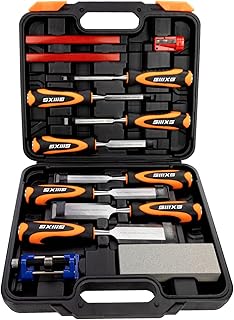


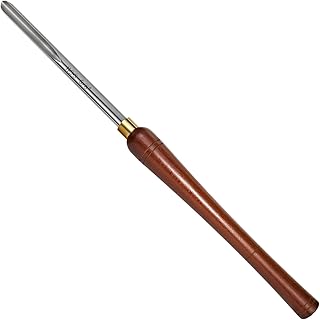
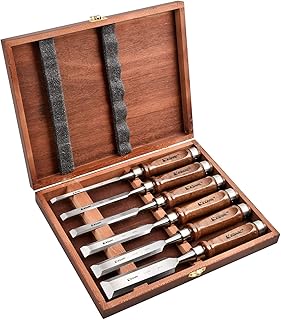

Choosing the right chisel is less about finding the most expensive tool and more about matching the chisel to the material, cutting method and workload. A woodworking chisel used for fine joinery has very different requirements from a cold chisel used on metal or a masonry chisel used with a hammer drill. Before comparing individual models, identify the work you actually intend to perform.
For Canadian buyers, it is also worth considering handle comfort, steel quality, sharpening requirements, corrosion resistance, replacement availability and whether the tool is intended for hand pressure or repeated hammer strikes. Brands such as Stanley, Narex, Irwin, DeWalt, Milwaukee, Bosch and Makita offer tools across several tool categories, but the correct choice still depends on the specific chisel design rather than the brand name alone.
Bench chisels are the most versatile choice for general woodworking. They are commonly used for paring joints, cleaning mortises, trimming end grain, chopping small recesses and removing waste from joinery. A practical set usually contains several blade widths so that both detailed and larger jobs can be handled without forcing one chisel to perform every task.
Look for a comfortable handle, a blade that can be sharpened accurately and a construction suited to the way you work. If you frequently strike the chisel with a mallet, a handle and bolster designed for impact are preferable to a delicate paring-style tool.
Paring chisels are designed for controlled removal of small amounts of wood. They are particularly useful when fitting joints, trimming shoulders and refining surfaces after most of the material has already been removed.
The long blade can provide useful reach and leverage, but paring chisels are generally not the first choice for heavy chopping. Using a delicate paring chisel as a demolition tool can damage the handle, blade or cutting edge.
Mortise chisels have a thicker blade and are designed for chopping square-sided mortises. Their robust construction helps them withstand repeated mallet blows while removing wood from confined areas.
For traditional joinery, blade thickness and side geometry matter because the tool needs to enter the mortise repeatedly without excessive flexing. A mortise chisel is usually a better choice for demanding chopping than a thin general-purpose bench chisel.
Bevel-edge chisels have sloped sides that make it easier to work close to the walls of dovetails and other joints. They are popular among woodworkers who want one versatile family of chisels for both general work and precision joinery.
When comparing bevel-edge models, pay attention to how much material surrounds the cutting edge, the shape of the side bevels and the quality of the factory grind. These details can affect access in tight joints.
Socket chisels and tang chisels describe different ways the blade connects to the handle. A socket construction places the handle inside a socket at the rear of the blade, while a tang extends into the handle.
Neither construction should automatically be treated as universally superior. The quality of the steel, handle construction, fit, intended application and impact design are more useful comparison points than the connection style alone.
Cold chisels are intended primarily for cutting and shaping metal and other hard materials. They are fundamentally different from woodworking chisels and should not be selected simply because the blade looks similar.
For metalworking, consider the cutting edge geometry, hardness, shank dimensions and intended striking method. A cold chisel must be suitable for impact and for the material being cut.
Masonry chisels are designed for concrete, brick, block and similar materials. Some are intended for manual hammering, while others are manufactured for use with compatible power tools such as rotary hammers.
Do not confuse a masonry chisel with a woodworking chisel. The materials, impact forces and cutting mechanisms are substantially different, and using the wrong type can quickly damage the tool or create a safety hazard.
SDS-compatible chisels are accessories for compatible rotary hammers and combination hammers. Common profiles include pointed, flat, tile and scaling designs, with each profile suited to a different removal task.
When shopping for a power-tool chisel, compatibility is critical. Check the tool's chuck system, shank type and manufacturer specifications before purchasing an accessory. A chisel that physically resembles the correct accessory is not necessarily compatible with every rotary hammer.
The blade material has a major influence on edge retention, toughness and sharpening behaviour. Good chisel steel needs to balance hardness with resistance to chipping and deformation. Extremely hard steel is not automatically better if it becomes difficult to maintain or is unsuitable for the intended work.
When comparing specifications, distinguish between a manufacturer's stated steel designation and assumptions made from marketing language. Terms such as hardened steel or premium steel provide limited information unless the manufacturer also explains the relevant construction and intended use.
Edge retention determines how long a chisel can perform before it requires sharpening. It matters most for repetitive work, hardwoods and users who want to minimise interruptions.
However, edge retention should be considered alongside ease of sharpening. A chisel that holds an edge well but takes substantially more effort to maintain may not be the most practical choice for a home workshop.
Thicker blades generally provide greater resistance to bending and are useful for chopping applications. Thinner blades can be easier to manoeuvre in tight joints and are often preferable for controlled paring.
There is no single ideal thickness for every application. A professional joiner may deliberately keep several blade profiles available because the demands of rough stock removal, mortising and final joint fitting are different.
A longer blade can provide useful reach and control, while a shorter blade can feel more compact and manoeuvrable. For deep or confined joinery, blade length becomes an important practical consideration.
Do not judge a chisel by blade length alone. The overall balance between handle, blade and working position can have a greater effect on comfort than a single dimensional specification.
The handle should suit the force and precision required by the job. Wood handles can provide a traditional feel and can be comfortable in extended woodworking sessions. Composite and plastic handles can offer different levels of impact resistance, grip and maintenance.
If you expect to strike a chisel regularly, look for a handle specifically intended for mallet or hammer use. If the work consists primarily of controlled paring, a handle optimised for precision may be more appropriate.
A good handle should allow the user to control blade direction without creating unnecessary pressure points. Rounded handles can roll unexpectedly when placed on a bench, whereas shaped handles may provide better orientation and control.
Grip preference is highly personal, so dimensions and photographs should be considered together when comparing products online. A handle that looks substantial may still feel uncomfortable to someone with smaller hands, while a compact handle may feel cramped during heavy work.
Bevel geometry influences how a chisel cuts and how the edge behaves under load. A lower cutting angle can be advantageous for certain paring operations, while a more robust edge geometry can provide additional support for chopping and demanding work.
Wood species also matter. Softwoods, ordinary hardwoods, figured wood and abrasive engineered boards can place different demands on a cutting edge. Rather than looking for one universally perfect angle, choose a geometry appropriate to your principal application.
Users who sharpen their own tools can often establish a primary and secondary bevel suited to their work. This makes sharpening technique an important part of the buying decision because the best chisel for one workshop may not be the best option for another.
For many woodworking chisels, the back of the blade is an important working surface. A flat, well-prepared back can help with accurate paring and controlled joint fitting.
When evaluating a new chisel, do not focus exclusively on the cutting edge. Check how the blade is prepared and whether the back can be flattened and polished without excessive effort. A chisel that requires significant preparation is not necessarily a poor tool, but that additional work should be considered before purchase.
A sharp chisel is easier to control than a dull one. Dull edges encourage excessive force, can produce poor cuts and make delicate joinery harder to execute.
Depending on preference and workload, sharpening can be performed with water stones, oil stones, diamond plates, abrasive papers or powered sharpening systems. The important point is consistency: the back should remain appropriately flat and the bevel should be maintained at a repeatable angle.
Frequent light honing can maintain an already functional edge, while a complete sharpening session is needed when the edge becomes damaged, rounded or excessively worn. Separating these two maintenance tasks can make tool care more efficient.
There is also no requirement to remove large amounts of steel every time a chisel feels slightly less sharp. Regular honing can extend the useful period between more substantial sharpening sessions.
Steel tools can corrode when exposed to moisture, condensation or unsuitable storage conditions. Seasonal temperature changes can create condensation when cold tools are brought into warmer environments, making storage an important consideration.
Keep chisels clean and dry after use. A suitable protective treatment can help protect exposed steel during storage, particularly in workshops where humidity fluctuates. Before applying any product, follow the tool manufacturer's recommendations and avoid leaving residues that could contaminate finished wood.
Do not store sharp chisels loose in a toolbox where the edges can strike other metal tools. Edge guards, dedicated tool rolls, racks or organised drawers can reduce accidental contact and make it easier to find the correct size.
A large set is not automatically better value. A 10-piece or larger assortment may contain several sizes you rarely use, while a smaller set containing the widths you regularly need may be more practical.
For general woodworking, compare:
A carefully selected small collection can cover a surprisingly broad range of woodworking tasks. Additional sizes can then be purchased when a specific project demonstrates a genuine need.
There is no mandatory set of sizes, but different widths are useful for different jobs. Narrow chisels are convenient for small mortises, grooves and detailed joinery. Medium-width chisels are versatile for general bench work. Wider chisels can remove material efficiently and help clean broad surfaces.
If you are building a first woodworking collection, prioritise sizes around the dimensions of the joints and hardware you most commonly use. A furniture maker, cabinetmaker, carpenter and hobbyist may all benefit from different combinations.
Softwoods can sometimes be cut with less resistance, but they are not automatically easier in every situation. Grain direction, knots, tear-out and end grain can create challenging cuts.
Hardwoods can place greater demands on edge durability and sharpening quality. A strong edge and properly prepared back can make precision work considerably easier, particularly when fitting joinery.
Engineered materials require additional caution. Plywood, MDF and other manufactured boards can contain adhesives, mineral particles or abrasive components that affect cutting edges differently from ordinary solid wood. If these materials make up most of your workload, include expected edge wear and maintenance in your buying decision.
For dovetails, bevel-edge chisels with appropriately shaped sides can provide useful access into tight corners. Blade width should be chosen according to the scale of the joint rather than simply selecting the largest tool available.
Mortising benefits from a robust chisel capable of absorbing repeated mallet impacts. Mortise chisels are particularly useful for traditional hand-cut mortises, while powered equipment can be more appropriate when large numbers of identical mortises are required.
A versatile bench-chisel set is usually the most useful starting point for a mixed woodworking workshop. Look for a balanced range of widths and a construction that matches the proportion of chopping and paring you expect to perform.
Manual chisels provide direct control and are indispensable for precision work, trimming and joinery. Power-tool chisels are designed to remove material rapidly when used with compatible equipment.
For renovation and masonry work, an SDS-style chisel used with a compatible rotary hammer can dramatically change the amount of material that can be removed compared with manual tools. That does not make it a replacement for a woodworking chisel; the two tools serve entirely different purposes.
Before buying a power-tool accessory, verify the required shank system, machine compatibility and operating instructions. Manufacturer compatibility information should take priority over generic product descriptions.
Set size is an easy specification to compare, but quantity alone says little about usefulness. Check the individual blade widths before deciding whether a set provides genuine coverage.
The cheapest chisel may be attractive for occasional use, but the purchase price does not capture sharpening effort, edge durability, comfort or suitability for the intended task. Conversely, the most expensive option may offer features that a casual user does not need.
A chisel is a cutting tool, not a general-purpose lever. Prying, twisting or striking the side of a blade can damage the edge or create dangerous failures. Use a dedicated pry or demolition tool when the task requires leverage.
Two chisels with similar blades can feel very different in use because of their handles. Consider how the tool will be held, whether it will be struck and how long you normally work before choosing between designs.
Every cutting edge eventually requires maintenance. Buyers should consider what sharpening equipment they already have and whether the chisel's steel and geometry fit their maintenance routine.
Woodworking, metalworking and masonry chisels should not be treated as interchangeable. Always identify the material and intended force before selecting a tool.
Online product listings can contain a large amount of information, but important specifications may be presented inconsistently. Compare the manufacturer's specifications where possible rather than relying solely on a marketplace title.
Customer ratings can help identify recurring concerns, but a star score should not be treated as a substitute for technical evaluation. Read reviews for specific observations about edge behaviour, handle durability, sharpening, blade consistency and intended use.
Give more weight to detailed feedback that explains what material was cut, how the tool was used and what problem occurred. A complaint about a woodworking chisel breaking during heavy demolition, for example, may say more about misuse than about ordinary woodworking performance.
Brand reputation can be a useful starting point, but individual product specifications should always be checked. Stanley has a long presence in hand tools, while Narex is well known among woodworking-tool buyers. Irwin also produces a broad range of hand tools. DeWalt and Milwaukee are familiar names across professional and DIY tool categories, while Bosch and Makita are particularly relevant when comparing accessories for compatible power tools.
The important distinction is between a reputable manufacturer and a specific product. A recognised brand can make many tool types, and not every chisel within a brand's catalogue will be intended for the same application.
Professionals generally benefit from tools that are comfortable over long periods, predictable to sharpen and durable under repeated use. Consistent dimensions can also matter when multiple tools are used for precision joinery.
Professionals should consider purchasing individual chisels when necessary rather than automatically choosing the largest set. The ideal collection is determined by the work performed most often.
Occasional users usually benefit from a versatile selection rather than specialist tools for every conceivable task. A modest range of useful woodworking chisels can cover furniture repairs, basic joinery, trimming and general workshop projects.
If your projects vary between woodworking, renovation and masonry, keep the relevant tool categories separate. A small collection of purpose-built tools is safer and more effective than trying to make one chisel perform incompatible jobs.
There is no universal price point that guarantees quality. Instead, consider the expected frequency of use and the cost of maintaining or replacing the tool.
A casual DIY user may prioritise versatility and reasonable sharpening characteristics. A frequent woodworker may gain more from investing in better steel, comfortable handles and consistent construction. For heavy professional use, durability and maintenance efficiency can be more important than the initial purchase price.
Because Canadian retail prices, promotions and stock levels can change, check the current listing when comparing final purchase costs rather than relying on an old advertised price.
Always use a chisel for its intended purpose and follow the manufacturer's safety instructions. Wear appropriate eye protection when striking or cutting materials that can produce chips. Keep both hands positioned so that an unexpected slip does not direct the cutting edge toward the body.
Inspect handles and blades before use. Do not continue using a tool with a damaged handle, mushroomed striking surface, cracked component or badly damaged cutting edge. For power-tool chisels, disconnect or secure the equipment according to the manufacturer's instructions before changing accessories or performing maintenance.
Start with the work you perform most frequently. For general woodworking, select several useful blade widths rather than buying every available size. Add a dedicated mortise chisel if traditional mortise-and-tenon joinery becomes a regular part of your projects. Add specialised paring chisels when precision trimming becomes important.
For masonry or renovation, purchase accessories specifically designed for the compatible equipment and material. For metalworking, choose chisels engineered for metal rather than adapting woodworking tools.
The best woodworking chisel depends on the job. A versatile bevel-edge or bench chisel is a practical starting point for general work, while mortise and paring chisels are better suited to specialised tasks.
A beginner should prioritise a useful range of narrow, medium and wider blades rather than chasing a large number of sizes. The correct selection depends on the type of joinery and projects being performed.
They can be worthwhile for frequent users when better construction, comfortable handles, consistent geometry or easier maintenance justify the additional cost. Occasional users may not benefit from paying for features they will rarely use.
Stanley is a recognised hand-tool brand, but the suitability of a particular chisel depends on its exact design and intended use. Compare the specific blade, handle, dimensions and maintenance requirements before buying.
Narex offers woodworking chisels, but buyers should still evaluate the individual model against their preferred woodworking technique, blade sizes and sharpening routine.
No. Concrete and masonry work requires tools specifically designed for those materials and impact conditions. Use the appropriate masonry or compatible power-tool chisel instead.
It is not recommended. Using a cutting tool as a screwdriver can damage the cutting edge and increase the likelihood of slipping or damaging the workpiece.
Sharpening frequency depends on usage, material and the required level of precision. Light honing can maintain an edge between more substantial sharpening sessions.
A bench chisel is a general-purpose woodworking tool designed for a mixture of chopping and paring. A mortise chisel is generally thicker and more robust, with geometry intended for repeated chopping of mortises.
An SDS chisel is a power-tool accessory used with compatible rotary hammers or combination hammers for tasks such as breaking, scaling, chasing or removing masonry and concrete, depending on the profile.
Buy a set when its included sizes closely match your work. Buy individual chisels when you already have several useful sizes or need a specialised width that is not included in a typical set.
No. Ratings are useful for identifying products that deserve further investigation, but specifications, intended use, construction, dimensions, maintenance requirements and detailed customer feedback provide a stronger basis for comparison.
The best chisel in Canada is ultimately the one whose construction, blade geometry, size and handle design match the work you actually do. For woodworking, concentrate on edge quality, back preparation, sharpening characteristics, handle comfort and useful blade widths. For masonry, metalworking and power-tool applications, select purpose-built chisels designed for the relevant material and equipment.
Before making a 2026 purchase, compare the exact model specifications rather than relying on a product title or brand reputation alone. Check the current retailer information for price, package contents and availability, read detailed verified customer feedback, and make sure the chisel is designed for your intended application.
A thoughtful purchase can be more valuable than a large collection. Choose the right chisel category first, then compare steel, geometry, construction, ergonomics, maintenance and long-term practicality. That approach makes it much easier to identify the right tool for a Canadian workshop, job site or DIY toolbox.