

♥ Wishlist
We analyzed 22 of the most popular Power Tool Batteries and Chargers in Canada available in ca. Compare features, customer reviews, ratings, and expert recommendations to help you choose the best option in 2026.
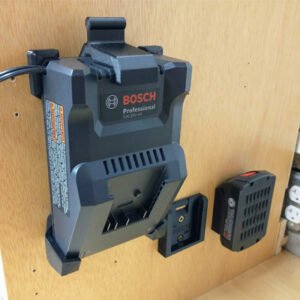
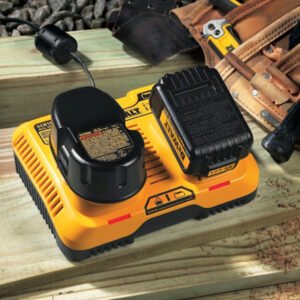
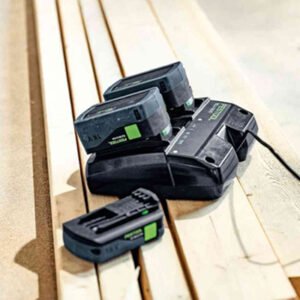
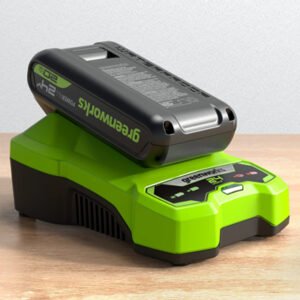
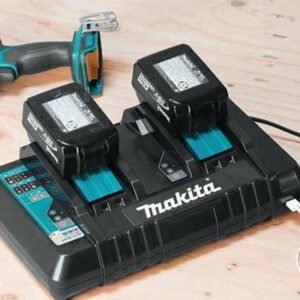
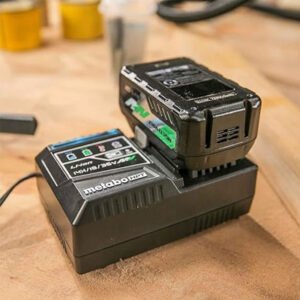
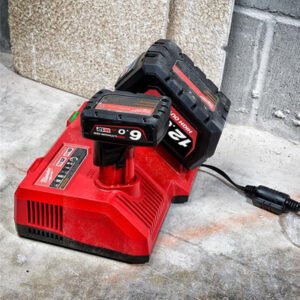
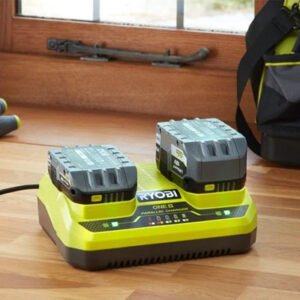
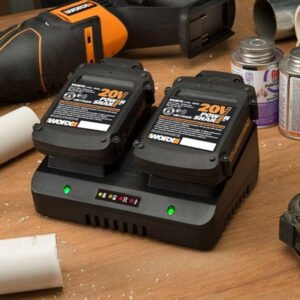


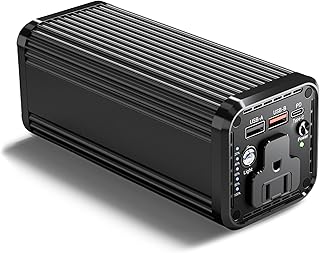


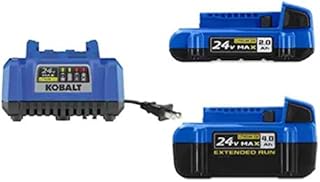


Choosing the right battery and charger is essential when using cordless power tools. A suitable battery can influence runtime, tool performance, weight, charging convenience and overall compatibility. The charger also matters because charging speed, battery chemistry, temperature management and compatibility can vary significantly between tool platforms.
For Canadian buyers, the best choice is not necessarily the battery with the highest voltage or the largest capacity. The right option depends on the tools you already own, the jobs you perform, how frequently you use them and whether you need a compact battery for portability or a larger pack for extended runtime.
This guide focuses on the factors that matter when comparing cordless tool batteries and chargers in Canada in 2026. It also explains voltage, amp-hour capacity, battery chemistry, charging systems, platform compatibility, cold-weather considerations, storage and common buying mistakes.
Before comparing individual products, identify the cordless tool platform you use. Batteries are generally designed around a specific manufacturer's system, and physical fit alone should never be treated as proof of electrical compatibility.
A battery should match the tool's required voltage and platform. The charger should also be specifically intended for that battery family. Using an incompatible charger can create safety risks and may damage the battery or charger.
Compatibility should be the first consideration. Manufacturers such as DeWalt, Milwaukee, Makita, Bosch, Ryobi, Metabo HPT and RIDGID use different battery platforms and connection systems.
Even when two batteries have similar voltage ratings, they are not automatically interchangeable. Platform-specific electronics can control charging, temperature monitoring, power delivery and communication between the battery and tool.
Voltage provides a general indication of the electrical system used by a cordless tool. Common cordless tool battery systems include approximately 12V, 18V, 20V-class and higher-voltage platforms.
A higher voltage does not automatically mean that one battery is better for every application. Compact tools can benefit from smaller battery systems because reduced weight improves handling. Heavy-duty drills, impact wrenches, saws and outdoor equipment may benefit from larger systems designed to provide greater power.
Some manufacturers advertise batteries using nominal voltage while others use maximum or marketing voltage. This means apparently different ratings can sometimes describe closely related battery platforms. Always compare the manufacturer's stated compatibility rather than assuming two voltage labels are interchangeable.
Amp-hour, or Ah, capacity is commonly used to describe the amount of energy a battery can provide over time. Within the same battery platform, a higher Ah rating generally indicates greater stored capacity and can provide longer runtime under comparable conditions.
The trade-off is size and weight. A compact 2.0Ah battery can be easier to carry for overhead work or short tasks, while a larger 5.0Ah, 6.0Ah or higher-capacity pack may be more suitable for extended cutting, drilling or outdoor work.
Modern cordless power tools commonly use lithium-ion battery technology because it can provide a useful combination of energy density, weight and rechargeable performance. Different battery designs can still vary in cell configuration, electronics, thermal management and power delivery.
When comparing products, look at the manufacturer's stated specifications rather than assuming every lithium-ion battery will deliver identical performance. Battery age, temperature, tool load, storage conditions and charging practices can all affect real-world runtime.
A charger is more than a power adapter. It is designed to work with a particular battery platform and charging system. Some chargers are designed for standard charging, while faster chargers may reduce charging time for compatible batteries.
Fast charging can be convenient for professional users or people with limited batteries, but charging speed should not be considered independently of compatibility and manufacturer guidance. Use the charger designed for the battery family whenever possible.
Standard chargers can be appropriate for home users who have several batteries or do not need the fastest possible turnaround. They can also be useful when battery charging can happen between jobs.
Fast chargers are designed to shorten charging periods for compatible battery systems. They can be valuable when tools are used continuously throughout the day. Before buying, verify that the charger supports the exact battery platform and capacity you use.
Multi-bay charging systems can be convenient for users who own several batteries. They reduce the need to swap batteries through a single charger and can make workshop organisation easier. Check whether the charger charges batteries simultaneously or sequentially, as designs vary.
Battery capacity is only one factor in runtime. The tool itself, material being worked on, workload, operating temperature, battery age and user technique can all affect how long a charge lasts.
A drill performing light fastening work may consume substantially less energy than a saw cutting dense material. Similarly, outdoor equipment can have very different runtime depending on grass, vegetation, temperature and operating conditions.
For this reason, published runtime figures should be treated as product-specific reference information rather than a guarantee of identical performance in every job.
Compact batteries can be attractive for drills and impact drivers because lower weight can improve handling. For demanding fastening or repeated drilling, a higher-capacity battery may provide a useful runtime advantage.
Saws can place higher loads on batteries than many light-duty tools. A larger compatible battery may be useful where extended cutting is required, but balance and weight should also be considered.
Impact wrenches can benefit from batteries designed for higher power delivery. Compare the tool manufacturer's recommendations and consider whether the battery affects the balance of the wrench during extended use.
Cordless lawn mowers, blowers, trimmers and other outdoor tools can consume considerable energy. Larger batteries may provide longer runtime, while having multiple compatible packs can allow continuous work with charging between uses.
Canadian winters make temperature an important consideration for cordless battery users. Battery performance can change in cold conditions, and charging a battery outside the manufacturer's recommended temperature range can be inappropriate.
Store and charge batteries according to the manufacturer's instructions. Avoid exposing batteries to extreme temperatures, moisture or direct heat sources. If a battery becomes very cold, follow the manufacturer's guidance before charging or using it.
For contractors and outdoor users working through winter, carrying spare batteries and planning charging around weather conditions can help maintain workflow without relying on a single battery.
Proper storage can help protect rechargeable batteries between uses. Keep batteries in a clean, dry environment and follow the manufacturer's recommendations for storage temperature and charge level.
The choice depends on your workflow. One large battery can provide longer continuous runtime, but two smaller or mid-capacity batteries may provide greater flexibility because one can be used while another charges.
For people with several cordless tools on the same platform, additional batteries can also be more useful than purchasing a very high-capacity pack for every tool. Consider the weight of the battery, the duration of your tasks and how frequently you have access to a charger.
Canadian shoppers may encounter battery systems from brands such as DeWalt, Milwaukee, Makita, Bosch, Ryobi, Metabo HPT and RIDGID. These manufacturers offer different platform designs, battery capacities and charger options.
Brand recognition alone should not determine a purchase. Compare the exact battery series, tool compatibility, capacity, dimensions, warranty information and current specifications. Once you own several tools from one platform, staying within that ecosystem can also reduce the need to purchase separate chargers and battery families.
Similar voltage ratings do not guarantee compatibility. The connector, electronics, battery generation and manufacturer's platform all matter.
A larger battery may provide longer runtime but also adds weight and bulk. For drills, drivers and overhead work, a smaller pack may be more comfortable.
Do not assume that a charger is suitable because its connector appears to fit. Use a charger intended for the specific battery system and follow the manufacturer's instructions.
A used or older battery can have reduced capacity even when its label indicates a high Ah rating. Consider age, condition and usage history when buying replacement batteries.
Cold temperatures can affect battery performance and charging conditions. Outdoor users should plan storage, charging and spare-battery use appropriately.
The cheapest battery is not always the most economical choice. Compare usable capacity, compatibility, expected workload, charging time, weight and the number of tools that can share the platform.
There is no universally best battery or charger for every Canadian power-tool user. The appropriate option depends on the tool platform, voltage, capacity, workload, weight preference, charging requirements and local working conditions.
A practical decision should therefore ask five questions: Is the battery definitely compatible? Does its capacity match the job? Is the weight acceptable? Does the charger support the exact battery? And will the system remain useful across the tools you already own?
No. Battery compatibility is platform-specific. Check the manufacturer's compatibility information for the exact tool and battery series.
Ah primarily describes capacity rather than directly defining tool power. A higher-capacity battery can generally provide more stored energy within a compatible platform, while actual power delivery depends on the battery, tool and operating conditions.
No. Tool requirements and application matter. Smaller systems can be advantageous for lightweight tools, while higher-voltage platforms may be designed for heavier-duty applications.
Only use a charger that the manufacturer specifies as compatible with the battery. Charging systems are designed for particular battery platforms and specifications.
Cold temperatures can affect battery performance. Follow the manufacturer's operating, storage and charging temperature guidance, especially during winter outdoor work.
It depends on your workflow. Several batteries can provide flexibility and allow one pack to charge while another is being used, while a larger pack can provide longer continuous runtime.
Store them in a clean, dry environment and follow the manufacturer's instructions for temperature, charge level and long-term storage. Do not use visibly damaged batteries.
Common cordless tool platforms include DeWalt, Milwaukee, Makita, Bosch, Ryobi, Metabo HPT and RIDGID. The exact battery should still be evaluated by platform compatibility and specifications.
Cordless tool batteries and chargers vary substantially in voltage, capacity, electronics, compatibility, charging systems and operating conditions. This guide is intended to support informed product comparison for shoppers in Canada. Product specifications, battery generations, prices, warranty terms and availability can change, so current manufacturer information should be checked before purchase. Brand names are included for comparison purposes and do not imply that every product from a particular brand is compatible with every cordless tool.