

♥ Wishlist
We analyzed 39 of the most popular Makita Battery and Charger Options for Canadian Tool Users available in ca. Compare features, customer reviews, ratings, and expert recommendations to help you choose the best option in 2026.


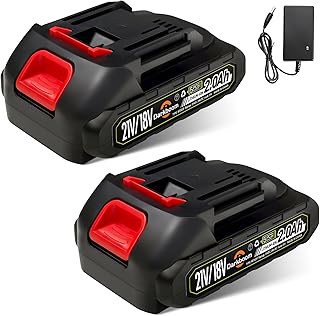
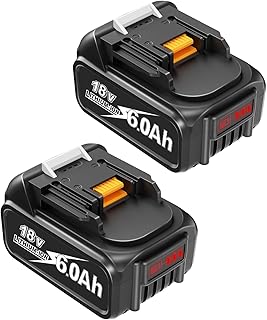


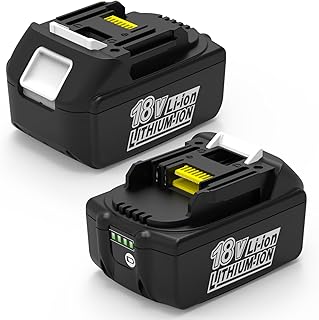


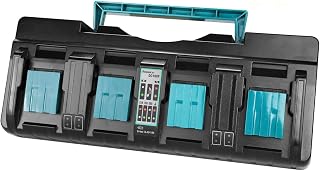
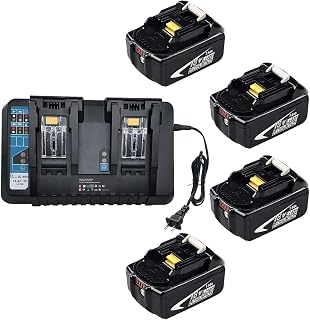

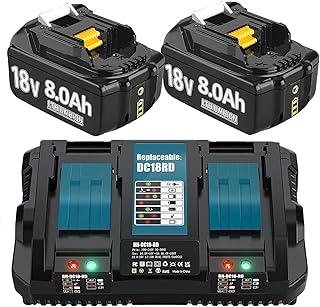


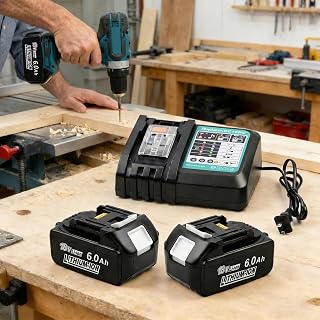
Choosing a Makita battery and charger is not simply a matter of selecting the largest capacity or the fastest charging option. The right combination depends on the tools you already own, the type of work you perform, how frequently you use those tools, and whether you regularly work in demanding Canadian conditions.
Before buying, identify the Makita battery platform used by your tools. Makita offers several cordless systems, and batteries are designed for particular platforms. A battery that physically resembles another pack is not automatically compatible with every Makita tool. Always confirm the required platform and voltage in the tool documentation before ordering.
For many users, the Makita 18V LXT platform is particularly important because of its broad range of compatible cordless tools. Makita also produces higher-voltage systems such as 40V max XGT for applications that require greater power. These platforms should be treated as separate ecosystems when checking compatibility.
Compatibility should be the first buying criterion. A high-capacity battery is of little value if it is not intended for your specific tool platform.
Battery capacity is commonly expressed in amp-hours, abbreviated as Ah. In simple terms, a higher Ah rating generally provides more stored energy, although actual runtime varies according to the tool, workload, material, temperature, battery condition and operating technique.
A compact battery can be useful for drilling, fastening and overhead work where lower weight matters. A larger-capacity pack may be preferable for demanding cutting, grinding, sawing or extended outdoor work where longer runtime is more important than minimum weight.
Do not judge a battery solely by its Ah number. Two batteries with different capacities can have very different practical advantages depending on the application. Weight, physical size, heat management, charging time and compatibility should all be considered.
One of the most important decisions for a Makita cordless tool user is choosing between battery platforms. The 18V LXT system is designed around a large ecosystem of compatible tools, while the 40V max XGT system is positioned for applications requiring higher power and performance.
An 18V LXT battery can make sense when you already own several LXT tools. Staying within one platform can reduce the need to maintain multiple battery families and chargers.
XGT is worth considering when your work requires a higher-power cordless platform and you are purchasing tools designed for that system. It can be particularly relevant to users who are building a dedicated high-performance cordless setup rather than simply replacing an existing LXT battery.
The important point is that platform selection should follow the tools you intend to operate. Do not purchase an XGT battery merely because its voltage rating is higher. Choose the system that corresponds to your tools and workload.
There is no single best Ah rating for every Canadian user. A homeowner who uses a drill for short tasks has different requirements from a contractor running a saw or grinder throughout the day.
Lower-capacity packs can be attractive when portability is a priority. Their reduced weight can make a noticeable difference during repetitive overhead work, ladder work or extended fastening tasks.
Mid-capacity batteries often provide a practical balance between runtime and portability. They can be a sensible choice for general-purpose cordless tools when the user wants more operating time without carrying the largest possible pack.
High-capacity batteries are more appropriate when extended runtime is important. They can reduce interruptions during demanding jobs, but the additional weight and size should be considered before buying.
For the best result, match battery capacity to the tool rather than automatically choosing the largest available pack.
A charger is an important part of a cordless tool system. Charging speed matters, but it should not be the only consideration. Compatibility, charging management, portability and the number of batteries you need to maintain can all influence the best choice.
A faster charger can be valuable for professionals who rotate several batteries during a working day. Home users who charge overnight may place less importance on maximum charging speed.
A single-battery charger may be sufficient for occasional users. A multi-battery charging solution can be more convenient for users who operate several cordless tools and need to maintain a larger battery inventory.
Look for chargers designed to provide clear charging status information. Makita charging systems can include electronic communication between the charger and battery to manage the charging process. Always use a charger intended for the specific battery platform.
Canadian buyers should consider more than the advertised battery capacity. Climate, work environment, retailer conditions and replacement availability can all influence the practical value of a battery and charger.
Winter conditions can affect rechargeable battery performance. Very low temperatures can influence available runtime and charging behaviour. If cordless tools are used outdoors during Canadian winters, avoid treating extreme cold as normal indoor operating conditions.
Follow the battery and charger manufacturer's instructions regarding storage, operating temperature and charging temperature. Do not attempt to force-charge a battery outside its specified conditions.
Proper storage can help protect a battery investment. Avoid leaving batteries exposed to unnecessary heat, moisture or extreme environmental conditions. Store batteries in accordance with the manufacturer's instructions and keep charger connections clean and protected.
If your work takes place on construction sites, farms, remote properties or outdoor locations, consider the practical charging setup. A compact charger may be easier to transport, while users with multiple batteries may benefit from a charging strategy that keeps spare packs ready throughout the working day.
Advertised capacity should not be interpreted as a guaranteed number of hours of operation. Runtime changes with workload.
This is why runtime comparisons should be treated as application-dependent rather than as fixed specifications.
A replacement battery can be the simplest choice when you already have a suitable charger. A kit containing a battery and charger may make more sense when starting a cordless system or when your existing charger is incompatible with the new platform.
Battery purchases can appear straightforward, but several mistakes can result in unnecessary expense or an unsuitable setup.
The largest battery is not automatically the best battery. If your main tasks involve repetitive overhead drilling or fastening, excessive battery weight can reduce comfort.
Makita has multiple cordless platforms. Always confirm the exact battery family required by the tool before purchasing.
A low purchase price should not be the only consideration. Compare capacity, compatibility, charger requirements, warranty information where applicable, seller reputation and product authenticity.
Compatibility claims should be evaluated carefully. Battery electronics, protection systems, physical fit and communication with the tool can all matter. For safety and reliability, buyers should follow the tool and battery manufacturer's guidance rather than assuming that a third-party pack provides identical performance.
Users sometimes purchase an additional battery without considering whether their current charger supports it. Confirm the charger-battery combination before completing the purchase.
When comparing products, use a consistent set of criteria rather than relying on one specification.
The best Makita battery setup can be very different for a professional tradesperson and a homeowner.
Professionals should prioritise dependable battery rotation, appropriate capacity, charging speed and platform consistency. Keeping multiple batteries available can reduce downtime when several cordless tools are used during the same working day.
Users should also consider the physical demands of their main tools. A high-capacity pack can be useful for long-running applications, while lighter packs can be preferable for repetitive fastening and overhead work.
Home users may not need the highest-capacity battery or fastest charger. A smaller battery can be easier to handle for occasional drilling and fastening, while a moderately sized pack may provide a useful balance for users who operate several cordless tools.
Good battery care starts with following the manufacturer's instructions. Rechargeable lithium-ion batteries should be handled carefully and protected from unsuitable environmental conditions.
Battery performance can change as a pack accumulates use. Reduced runtime alone does not necessarily identify the exact cause of a problem, but noticeable changes can justify checking the battery, tool and charger.
If a battery appears damaged or behaves abnormally, stop using it and follow the manufacturer's safety guidance.
Users with multiple cordless tools can benefit from thinking about batteries as a system rather than individual accessories. The goal is to have enough charged capacity for the day's work without carrying unnecessary weight.
For example, a user operating a drill, impact driver and saw may prefer a mixture of lighter and higher-capacity batteries. The lighter packs can be assigned to lower-demand tools, while larger packs can be reserved for applications that consume more energy.
This approach can be more practical than buying several identical high-capacity batteries without considering how each tool is actually used.
When comparing Makita batteries online, pay attention to the product description, model information, seller identity and photographs. Extremely low pricing deserves additional scrutiny, especially when the listing does not clearly identify the battery model or platform.
Before ordering, compare the listing information with official Makita product documentation. Check that the stated specifications, battery platform and charger compatibility are consistent. Read recent verified customer feedback where available, but do not treat individual reviews as a substitute for manufacturer specifications.
A strong combination is one that fits the user's existing tools, provides enough runtime for the intended workload and can be charged conveniently. For many buyers, the ideal setup is not the most powerful combination available but the one that balances runtime, weight, charging time and total ownership cost.
Brand ecosystem can also matter. Users already invested in Makita tools may benefit from remaining within the appropriate Makita battery platform. Other established power-tool manufacturers, including DeWalt, Milwaukee and Bosch, also operate their own cordless ecosystems, but batteries are generally platform-specific. Buyers should therefore compare complete systems rather than assuming batteries can be shared across brands.
There is no universally best Makita battery. The appropriate option depends on the tool platform, required runtime, workload and preferred balance between battery weight and capacity. Users should first identify the compatible platform and then compare capacity and physical characteristics.
No. A higher Ah rating generally means greater stored capacity, but it can also mean additional weight and size. A smaller battery may be more comfortable for light-duty or overhead applications.
No. Makita produces different cordless battery platforms and charging systems. Always verify compatibility between the exact battery and charger before use.
An additional battery can be useful if you regularly operate cordless tools for extended periods. It allows one pack to be used while another is charging, provided both batteries are compatible with the relevant tools and charger.
They are different battery platforms. Do not assume that an LXT battery can be used in an XGT tool or vice versa. Check the specific tool and battery compatibility information before purchasing.
Not necessarily. Battery capacity and tool performance are related but should not be treated as identical concepts. The tool's design, motor, electronics, workload and battery platform all influence performance.
Cold temperatures can affect lithium-ion battery performance and charging behaviour. If you use cordless tools in Canadian winter conditions, follow the manufacturer's temperature and storage instructions carefully.
Compare the complete package rather than the headline price. Consider the battery capacity, platform, charger inclusion, seller information and compatibility. A battery-only listing may appear less expensive than a kit because it does not include a charger.
Usually, homeowners should choose based on their actual workload. If tools are used for short tasks, a lighter battery can be more convenient. Higher capacity becomes more valuable when extended runtime is a regular requirement.
Before choosing from the best Makita battery and charger options in Canada, use this final checklist:
A useful buying guide should not define one battery as the best choice for every person. Instead, compare each option according to compatibility, capacity, charging requirements, weight, intended application and overall practicality.
Specifications and product availability can change during 2026, so buyers should verify current information before making a purchase. Check the latest product specifications, confirm compatibility with your exact tool model, review current retailer information and consider verified customer feedback as part of the final decision.
The best Makita battery and charger for your needs is ultimately the combination that fits your cordless platform, provides appropriate runtime and charging convenience, and matches the way you actually work.