
Explore cordless power tools, kits, batteries, chargers, accessories and related equipment available to Canadian shoppers. Compare product options and follow useful buying guides before you buy.





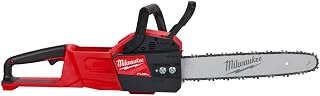


Choosing a Milwaukee chainsaw in Canada requires more than comparing bar length or motor power. Battery platform, cutting capacity, chain speed, tool weight, ergonomics, winter conditions, replacement chains, maintenance requirements and the type of wood being cut can all affect whether a particular model is suitable for your needs. Milwaukee's M18 FUEL range is especially relevant for buyers who already use compatible M18 batteries and chargers.
This guide is designed to help Canadian shoppers compare Milwaukee chainsaw options by intended use rather than relying on a single specification. The right choice for pruning branches is not necessarily the right choice for cutting firewood, clearing storm-damaged limbs or handling larger logs. Always compare the manufacturer's current specifications and the exact kit contents before purchasing, because a tool-only package may not include a battery or charger.
The best Milwaukee chainsaw depends on the work you expect to perform. Start by identifying the typical diameter of the branches or logs you need to cut, then consider how often you will use the saw and whether you already own compatible Milwaukee batteries.
Milwaukee's M18 battery system is one of the most important considerations when comparing its cordless outdoor power tools. Buyers who already own several M18 tools may find a tool-only chainsaw package particularly appealing because compatible batteries and chargers may already be available.
However, not every M18 battery delivers the same practical experience. Battery capacity, cell configuration, temperature, workload and battery age can influence runtime and sustained performance. A high-output battery can be particularly relevant when a chainsaw is being used under heavier loads.
Before buying, check whether the package includes the battery and charger. Product listings can differ considerably between bare-tool and complete-kit configurations. Comparing the package contents prevents the common mistake of assuming that a pictured battery is included.
Bar length is one of the easiest specifications to understand, but it should not be treated as the only measure of cutting ability. A longer guide bar can provide greater reach and accommodate larger cuts, while a shorter bar is often easier to maneuver and can reduce overall tool weight.
Shorter bars are useful for pruning, small branches and routine property maintenance. They can be easier to position accurately, especially when working overhead or around dense vegetation.
A mid-size bar can provide a practical compromise for homeowners who need one saw for a mixture of branch cutting and moderate firewood work. It offers more reach than a compact model without necessarily becoming as cumbersome as a larger saw.
Longer bars are more appropriate when cutting larger-diameter wood, but they require appropriate power and technique. Do not assume that selecting the longest available bar automatically produces the best result. The complete combination of motor output, chain, battery and bar matters.
Chain speed can influence how quickly a saw moves through wood when the chain is sharp and the tool is operating under appropriate conditions. Higher chain speed can make demanding cuts feel faster, but it does not eliminate the importance of chain sharpness, correct tension and suitable cutting technique.
When comparing Milwaukee chainsaws, look beyond a headline chain-speed figure. Consider how the saw manages changing loads, how easy it is to maintain, and whether the available battery configuration suits the workload.
Runtime is not a fixed number because cutting conditions vary. A chainsaw cutting small dry branches may consume considerably less energy than one repeatedly cutting large hardwood logs. Wood species, diameter, chain sharpness, cutting technique, temperature and battery condition can all affect actual runtime.
Canadian buyers should also consider seasonal temperatures. Lithium-ion batteries can behave differently in cold conditions, so outdoor winter work may require more attention to battery storage, operating temperature and charging practices. Follow Milwaukee's current battery instructions for temperature limits, charging and storage.
A higher-capacity battery can provide longer operating time between charges, but it may also increase the overall weight of the chainsaw. For short pruning sessions, a lighter setup can be more comfortable. For extended cutting sessions, additional capacity may reduce the number of battery changes.
If you already have several M18 batteries, compare their capacity and output characteristics before purchasing another battery specifically for the chainsaw.
One of the most important purchasing details is whether the chainsaw is sold as a bare tool or as a complete kit. Tool-only versions are generally aimed at users who already have compatible batteries and chargers. Kit versions may include a battery and charger, making them more convenient for someone entering the M18 platform.
Milwaukee's FUEL cordless tools use brushless motor technology. For chainsaw buyers, brushless design is relevant because cordless outdoor tools need efficient power delivery while operating under changing loads.
Motor technology should still be considered alongside chain design, electronics, battery selection and overall tool construction. A brushless motor does not automatically mean that every chainsaw is appropriate for every type of cutting.
Proper chain lubrication is essential for efficient and safer chainsaw operation. An automatic oiler can help deliver oil to the guide bar and chain during operation, but it does not remove the need to check the oil level or inspect the system.
Before each use, inspect the chain, guide bar, sprocket area and oil supply. Follow the manufacturer's instructions for the correct chain oil and maintenance procedure. Do not substitute unsuitable lubricants simply because they are readily available.
A chainsaw chain should have the correct tension specified by the manufacturer. A chain that is too loose can create operational and maintenance problems, while excessive tension can increase wear and affect movement around the guide bar.
Check chain tension regularly, particularly during longer cutting sessions when components can heat and change slightly. Always switch the tool off and follow the manufacturer's procedure before making adjustments.
Canada presents a wide range of outdoor working conditions. A homeowner in an urban area may primarily need a chainsaw for pruning and occasional storm cleanup, while a rural property owner may use one for firewood and fallen trees. The correct model therefore depends more on the workload than on the brand name alone.
Canadian buyers should consider storage conditions, access to replacement chains, battery availability, seasonal temperatures and the type of wood commonly encountered. If the chainsaw will be used for significant tree removal or professional forestry work, the requirements are different from those of occasional residential maintenance.
A chainsaw's published weight does not tell the complete story. Battery weight changes the balance of a cordless saw, and the position of the battery can influence how the tool feels during cutting.
If you will make many cuts in one session, pay attention to handle design, balance, grip position and overall fatigue. A powerful saw that feels difficult to control may be less suitable for routine property work than a lighter model that matches the job.
Pruning typically involves smaller branches and frequent repositioning. A compact chainsaw can make this work easier because it is generally simpler to maneuver around branches and vegetation.
For pruning, prioritize control, weight, visibility around the cutting area and ease of handling. There is little benefit in choosing a substantially larger saw if the majority of your work involves small branches.
Firewood cutting can involve many repetitive cuts, making battery capacity and chain maintenance especially important. The appropriate bar length depends on the diameter of the wood being processed.
When preparing firewood, consider having a maintenance routine for chain inspection, sharpening and lubrication. A sharp chain can make a significant practical difference compared with continuing to use a dull chain.
Storm cleanup can involve branches of different sizes, awkward positions and wood under tension. These conditions require extra caution because fallen or partially fallen limbs can move unexpectedly.
A cordless chainsaw can be convenient because it eliminates the need for an extension cord and offers mobility around a property. However, convenience does not make hazardous cutting situations safe. Avoid cutting trees or limbs that require professional assessment if you are not trained and equipped for the work.
Brand loyalty should not replace matching the tool to the application. A Milwaukee cordless chainsaw may be highly convenient for someone already invested in the M18 system, but a different type of chainsaw may be more appropriate for specialized or continuous heavy-duty forestry work.
Buyers should also reconsider a chainsaw purchase if the intended work involves large trees, difficult felling operations, overhead cutting or situations involving significant tension in branches. Professional arborists or trained tree-service specialists may be better equipped for these jobs.
Milwaukee is particularly relevant to buyers already using its cordless tool ecosystem. However, shoppers should compare the complete system rather than evaluating the chainsaw in isolation.
DEWALT has its own cordless outdoor-tool ecosystem. The important comparison is battery compatibility, available saw configurations, local replacement parts and the requirements of your specific workload.
Makita offers established cordless outdoor power equipment and battery platforms. Buyers should compare the exact models, not just the brands, because bar length, motor characteristics, batteries and ergonomics vary.
EGO focuses heavily on cordless outdoor equipment. A comparison can be useful for shoppers building a dedicated outdoor-power-tool system rather than choosing a chainsaw based on an existing M18 investment.
STIHL has a broad range of chainsaws designed for different homeowner and professional applications. When comparing STIHL and Milwaukee, consider whether you prioritize integration with an existing cordless-tool platform or want a chainsaw ecosystem focused primarily on outdoor power equipment.
Husqvarna offers chainsaws across homeowner, landowner and professional categories. The correct comparison depends on the size and frequency of the work, rather than brand reputation alone.
When browsing Canadian retailers and marketplaces, compare listings carefully because the same model family may appear in different configurations. Record the model number, guide bar length, included accessories, battery configuration and warranty information before deciding.
It is also useful to compare verified customer reviews for recurring comments about ergonomics, battery usage, chain adjustment and general usability. Reviews should supplement, not replace, the manufacturer's specifications and operating instructions.
Regular maintenance helps keep a chainsaw operating as intended. Always follow the model-specific instructions supplied by Milwaukee because maintenance procedures can differ between products.
Remove accumulated debris according to the manufacturer's cleaning instructions. Inspect the cutting system and store the chainsaw in a dry, suitable location. Avoid storing batteries in unsuitable temperatures or conditions.
A dull chain can make cutting slower and increase the effort required from the operator and tool. Learn the correct sharpening procedure for the specific chain or use an appropriately qualified service professional. Replace the chain when it reaches the manufacturer's replacement criteria.
A chainsaw should never be treated like an ordinary garden tool. Read the complete operating manual before use and wear appropriate personal protective equipment. Depending on the task, this can include eye and hearing protection, gloves, suitable footwear and chainsaw protective clothing.
Keep bystanders away from the cutting area. Be particularly cautious around unstable branches, overhead limbs and wood under tension. Never attempt a cut if you cannot confidently predict how the material will move.
For tree felling, large damaged trees, work near power lines or complex storm-damaged structures, professional assistance may be appropriate. Electrical hazards require especially careful assessment, and a chainsaw should never be used near a potentially energized line.
Many performance complaints can actually be related to chain condition rather than the basic capability of the chainsaw. A sharp and correctly tensioned chain should cut differently from one that has become dull, damaged or incorrectly adjusted.
If the saw is producing unusual cutting behaviour, excessive vibration or unexpected results, stop and inspect the chain and guide bar. Do not continue operating a damaged cutting system simply to finish the job.
For homeowners who already use Milwaukee M18 tools, a compatible chainsaw can be an attractive option because the same battery ecosystem can potentially support multiple tools. The value becomes less straightforward for someone who does not already own M18 equipment because the cost of establishing an additional battery platform should be considered.
For occasional use, prioritize manageable weight, straightforward maintenance and a suitable bar length rather than buying the most powerful configuration available.
Suitability for professional work depends on the exact model and application. Professional users should evaluate expected daily workload, battery logistics, cutting capacity, service support, replacement components and ergonomics.
For arboricultural, forestry or tree-felling operations, buyers should select equipment specifically designed for the intended professional application and ensure that operators have the appropriate training.
A compact model can be appropriate when the primary tasks involve pruning and occasional branch cleanup. Maneuverability and storage may be more important than maximum cutting capacity.
A versatile mid-size cordless chainsaw can make sense for homeowners dealing with seasonal pruning, fallen branches and occasional firewood.
Owners of larger properties may need greater cutting capacity and multiple batteries. Consider the frequency and diameter of the wood before choosing a particular configuration.
Regular work in wooded areas requires a more careful evaluation of bar length, battery logistics, maintenance and safety. If the work involves tree felling or hazardous conditions, professional equipment and training become increasingly important.
The best model depends on the cutting tasks, wood diameter, desired bar length, battery requirements and budget. A compact saw may be preferable for pruning, while a higher-capacity configuration may be more appropriate for repeated firewood or larger branch cutting.
Milwaukee's chainsaw range includes cordless models designed around its battery platform. Check the exact model specification before purchasing because configurations and included components can vary.
Many Milwaukee cordless chainsaws are designed for the M18 platform. Always verify compatibility with the exact model and use batteries recommended by the manufacturer.
Some packages may include a battery and charger, while others are sold as tool-only configurations. Check the exact product listing and package contents before ordering.
Select a bar length based on the diameter and type of wood you normally cut. A shorter bar can improve maneuverability for smaller work, while a longer bar can be useful for larger cuts when the chainsaw is designed to support that configuration.
A suitable Milwaukee chainsaw can be used for firewood preparation when the model's cutting capacity matches the wood being processed. Battery capacity, chain sharpness and bar length become particularly important during repetitive cutting.
Cordless chainsaws can be used outdoors in cold conditions when operated within the manufacturer's specified environmental limits. Battery storage, charging and operating-temperature guidance should be followed carefully.
There is no universal interval because chain wear depends on the amount and type of cutting. Inspect the chain frequently and sharpen it whenever its condition indicates that sharpening is required, following the correct procedure for the chain.
Stop the saw and inspect the chain condition, tension, lubrication and guide bar. A dull or incorrectly adjusted chain can cause poor cutting performance. If the problem remains or a component appears damaged, follow Milwaukee's service guidance rather than continuing to operate the tool.
It can still make sense, but compare the complete cost of the battery ecosystem with competing cordless platforms. If you already own compatible M18 batteries and chargers, the overall value calculation can be different.
The best Milwaukee chainsaw is not necessarily the largest, fastest or most expensive option. The strongest choice is the one that matches your cutting workload, battery requirements, preferred handling characteristics and maintenance expectations.
Before making a purchase, compare the exact model number, bar length, chain specification, battery compatibility and package contents. Check current Canadian retailer listings, verified customer feedback and the manufacturer's latest specifications. For occasional pruning, prioritize control and manageable weight. For firewood and heavier property maintenance, pay closer attention to cutting capacity, battery runtime and chain maintenance.
Most importantly, treat chainsaw safety as part of the buying decision. The right equipment, protective gear, operating technique and understanding of the cutting environment matter just as much as specifications. With those factors considered, Canadian shoppers can make a more informed decision when comparing Milwaukee chainsaw options in 2026.