

Explore cordless power tools, kits, batteries, chargers, accessories and related equipment available to Canadian shoppers. Compare product options and follow useful buying guides before you buy.


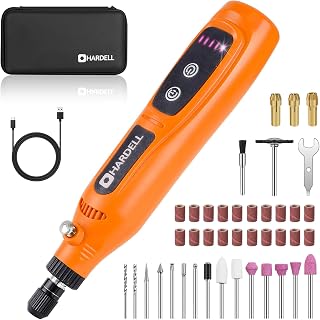

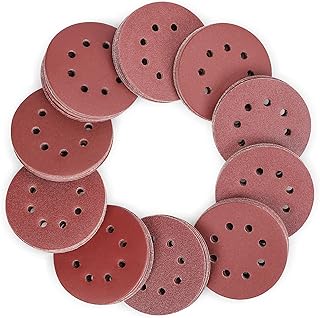


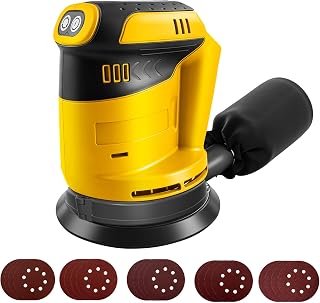


Choosing the best Kobalt cordless sander is not simply a matter of selecting the highest-rated model or the most powerful-looking tool. The right choice depends on the type of sanding you do, the material you work with, the finish you expect, your preferred battery platform, and how often you use the tool. A homeowner preparing furniture for refinishing may need a very different sander from a contractor working on doors, cabinets, trim, or larger wood surfaces.
For Canadian buyers, battery compatibility deserves particular attention. If you already own compatible Kobalt batteries and chargers, staying within the same platform can make a cordless sander considerably more convenient. If you are starting from scratch, compare the complete tool ecosystem rather than evaluating the bare tool alone.
Before buying, consider sanding motion, pad or disc size, variable-speed control, dust collection, grip comfort, vibration, battery requirements, replacement abrasives, and the type of projects you expect to complete. These details can have a greater effect on day-to-day usability than headline power claims.
Kobalt cordless sanders can be considered alongside several common sander categories. Understanding the differences makes it easier to identify the right tool for a specific application.
A random orbital sander is one of the most versatile choices for woodworking and general finishing. Its sanding movement combines orbital motion with a rotating action. This helps produce a smoother finish while reducing the risk of obvious repetitive sanding patterns when the tool is used correctly.
Random orbital sanders are particularly useful for smoothing boards, preparing furniture, removing old finishes, refining edges, and completing final sanding before painting or staining. They are generally a strong choice for buyers who want one cordless sander for a wide range of household and workshop projects.
Detail sanders are designed for smaller surfaces, corners, profiles, and areas that are difficult to reach with a conventional round sanding pad. Their compact shape can make them useful for furniture restoration, trim, window frames, and detailed woodworking.
They are not necessarily the best option for quickly sanding a large tabletop or extensive sheet material. For those jobs, a random orbital sander usually covers more surface efficiently.
Sheet sanders use rectangular or similarly shaped abrasive material and are commonly associated with controlled finishing work. They can be useful when working on flat surfaces where precise sanding is more important than aggressive material removal.
When comparing models, check how abrasives are attached and whether replacement sheets are easy to source. A tool that accepts commonly available abrasive formats can be more convenient over its working life.
Belt sanders are designed for substantially more aggressive stock removal. They can remove material quickly, making them suitable for rough timber, large surfaces, and demanding preparation tasks.
However, aggressive sanding is not always an advantage. A belt sander can remove too much material quickly if pressure and movement are not controlled. Buyers looking primarily for finishing work should normally consider a random orbital or detail sander instead.
Battery compatibility is one of the first specifications to check when comparing cordless Kobalt sanders. A bare tool can appear attractive at first, but the overall purchase can change considerably if you also need a battery and charger.
If you already have compatible Kobalt batteries, verify that the specific sander belongs to the same battery system. Do not assume that every Kobalt cordless product uses the same battery architecture. Check the manufacturer's current specifications for the exact model before purchasing.
For new cordless-tool users, consider the wider value of the battery platform. A battery that can also power compatible drills, impact drivers, saws, lights, or other tools can reduce the need to maintain multiple battery systems.
Variable-speed adjustment can make a cordless sander more versatile. Different materials and sanding stages may benefit from different operating speeds. Lower settings can provide greater control for delicate work, while higher settings can be useful for faster sanding when the material and abrasive allow it.
Speed control is particularly useful when moving between softwood, hardwood, painted surfaces, and finishing applications. However, speed alone does not determine sanding performance. Pad movement, abrasive selection, pressure, extraction, and operator technique all influence the final result.
Dust management should be treated as a major buying criterion rather than an optional convenience. Sanding produces fine particles that can spread throughout a workshop or room. An effective dust collection system can reduce airborne dust and make cleanup easier.
When comparing Kobalt cordless sanders, examine the dust port or collection arrangement and determine whether it can connect to your existing shop vacuum or dust extractor. A collection bag can be convenient for small jobs, while vacuum extraction may be preferable for longer sanding sessions.
Remember that dust collection is not a substitute for appropriate respiratory and eye protection. Fine sanding dust can be hazardous depending on the material being worked.
Check the sanding pad dimensions and abrasive attachment system before buying. Replacement abrasives should be easy to identify and reasonably practical for your projects.
Hook-and-loop abrasive discs are popular because they can be changed quickly. Other attachment systems may use clips or different mounting arrangements. The best system depends on the tool and the type of work you regularly perform.
A cordless sander may look compact in product photographs but feel very different during prolonged use. Grip shape, switch placement, balance, battery position, and vibration all influence comfort.
For occasional household projects, basic ergonomics may be sufficient. For cabinetmaking, furniture preparation, renovation work, or repeated sanding, comfort becomes much more important.
A well-balanced tool can reduce the temptation to apply excessive downward pressure. That matters because forcing a sander against the workpiece can reduce sanding efficiency, increase vibration, and interfere with the intended sanding motion.
Battery runtime depends on many variables, including battery capacity, sanding pressure, material hardness, abrasive condition, operating speed, and how continuously the tool is used. Therefore, published battery-runtime claims should not automatically be treated as a guarantee for every project.
If you regularly sand large surfaces, consider having more than one compatible battery available. This can allow one battery to charge while another is being used. For occasional small projects, a single battery may be adequate.
Cold Canadian weather can also influence battery performance. Lithium-ion batteries generally perform differently at low temperatures than they do under normal indoor conditions. If your tools are stored in an unheated garage or shed during winter, follow the battery manufacturer's storage and charging guidance rather than charging a very cold battery immediately.
The sander is only one part of the sanding system. Abrasive selection has a major effect on the result.
Moving through abrasives progressively is usually more effective than trying to make a very fine abrasive perform heavy stock removal. If a coarse sanding stage leaves deep scratches, the following grit needs enough time to remove those scratches before moving to a finer abrasive.
One of the most common mistakes is pressing the sander heavily against the surface. A powered sander is designed to perform the sanding action itself. Excessive pressure can slow the intended movement, increase heat, accelerate abrasive wear, and produce inconsistent results.
Keeping the tool stationary can create uneven areas or unwanted depressions, particularly on softer materials. Maintain controlled movement and allow the abrasive to do the work.
Abrasives become less effective as they wear. Continuing to use an exhausted disc or sheet can make the sanding process slower while generating unnecessary heat. Changing abrasives at the appropriate point can improve efficiency.
Jumping from a very coarse abrasive directly to an extremely fine one may leave scratches that take much longer to remove. A sensible grit progression is often more efficient than simply choosing the finest available abrasive.
Allowing dust to accumulate can reduce visibility, increase cleanup, and expose the user to unnecessary airborne particles. Where practical, connect the sander to an appropriate dust extraction system.
Not every material should be treated like ordinary untreated wood. Painted surfaces, old coatings, composite materials, plastics, metals, and potentially hazardous finishes may require different procedures and precautions. Identify the material before selecting the sanding method.
Kobalt is not the only brand worth considering when shopping for a cordless sander in Canada. Comparing competing ecosystems can help determine whether a Kobalt model fits your existing tools and expectations.
DEWALT has a broad cordless power-tool ecosystem and is a common alternative for buyers who already use its battery platform. When comparing DEWALT and Kobalt sanders, evaluate the exact model rather than relying only on brand reputation. Compare ergonomics, dust extraction, speed control, battery compatibility, abrasive availability, and intended application.
Makita is another established power-tool brand with a substantial cordless range. Buyers considering Makita alongside Kobalt should compare the complete tool ecosystem, including compatible batteries and chargers. For frequent users, platform compatibility can be more important than a small difference in individual-tool specifications.
Milwaukee offers extensive cordless tools across several professional categories. A buyer comparing Milwaukee with Kobalt should consider whether the additional tools available within either battery ecosystem match their future needs. The best platform is often the one that supports the majority of tools you expect to use.
Bosch is another brand worth considering for woodworking and power-tool applications. Compare individual sanding tools for handling, control, dust management, abrasive compatibility, and battery arrangements rather than assuming one brand will always outperform another.
Ryobi is particularly relevant for homeowners and DIY users who want access to a broad cordless tool range. When comparing Ryobi and Kobalt, consider the complete cost of entering the battery platform, the tools you may add later, and the sanding performance required for your projects.
Furniture refinishing often requires controlled sanding rather than maximum material removal. A versatile random orbital sander can be useful for larger flat surfaces, while a detail-oriented tool can help with corners and shaped sections.
For furniture projects, buyers should prioritize controllability, dust collection, comfortable handling, and compatibility with several abrasive grits. The ability to make gradual progress is generally more useful than simply choosing the most aggressive sanding tool.
When removing an existing finish, determine what coating is present before sanding. Older painted or coated surfaces can present additional safety considerations. Avoid creating airborne dust from unknown or potentially hazardous coatings without understanding the appropriate precautions.
For general DIY work, versatility is often the most important consideration. A random orbital sander can cover many common tasks, including preparing timber, smoothing repaired surfaces, refinishing furniture, and preparing wood before painting or staining.
DIY users should also consider storage, battery availability, replacement abrasives, and ease of operation. If the tool will only be used occasionally, a simple and versatile model can be more practical than purchasing specialized equipment for tasks that rarely occur.
Professional users should evaluate more than initial purchase cost. Durability, battery logistics, comfort during repeated use, dust extraction, controls, and compatibility with an existing cordless platform can all affect productivity.
For contractors and tradespeople, downtime can be more costly than a modest difference in tool price. Keeping compatible batteries charged and having appropriate backup power can therefore be important when sanding is part of regular paid work.
Professional buyers should also verify current manufacturer specifications and warranty terms for the exact product before purchasing. Product generations and included accessories can change over time.
When evaluating a shortlist of ten products, avoid ranking them solely by star ratings or review counts. A more useful comparison considers how each model fits your specific workload.
The choice between a bare tool and a complete kit depends largely on your existing cordless-tool collection.
A bare Kobalt sander can make sense when you already own compatible batteries and a suitable charger. This avoids buying duplicate accessories you do not need.
A complete kit can be more convenient for someone entering the battery platform for the first time. However, compare the total kit contents carefully. Two listings that appear similar may contain different battery capacities, chargers, accessories, or other equipment.
Always verify the exact contents of the current Canadian listing before purchase because package configurations can change.
Effective dust control is especially important when sanding indoors. Fine particles can settle on benches, tools, floors, and nearby objects. Dust extraction can reduce cleanup and help maintain a clearer working environment.
If your Kobalt sander supports vacuum extraction, check the connector dimensions and compatibility before assuming your existing shop vacuum will attach directly. An adapter may be required.
For occasional work, the supplied dust collection arrangement may be sufficient. For repeated sanding, a dedicated vacuum or dust extractor can provide a more practical setup.
Read the manufacturer's instructions for the exact sander before operation. Secure the workpiece properly and keep hands away from moving sanding surfaces.
Basic maintenance can help keep a cordless sander ready for future projects. After use, remove accumulated dust from accessible areas according to the manufacturer's cleaning instructions.
Inspect the sanding pad periodically for excessive wear. A damaged or badly worn pad can affect abrasive attachment and sanding consistency.
Check the dust collection components and clean them regularly. If a vacuum connection is used, inspect hoses and adapters for blockages that could reduce extraction efficiency.
Store batteries according to the manufacturer's recommendations. Avoid exposing batteries to unsuitable temperatures, moisture, impact, or other conditions that could compromise their performance or safety.
Good sanding results depend heavily on technique. Start with the appropriate abrasive for the surface condition and move through progressively finer grits as necessary.
Keep the sander moving in a controlled manner. Do not tilt the tool unnecessarily or use the edge of the sanding pad to create localized pressure unless the specific tool and application call for it.
Allow the sander to perform the work rather than forcing it downward. Excessive pressure can interfere with the intended sanding action and may create uneven results.
Between sanding stages, remove dust from the surface so that loose particles do not interfere with the next stage. Inspect the surface under suitable lighting before moving to a finer abrasive.
The lowest purchase price does not necessarily represent the lowest overall cost. Consider batteries, chargers, abrasives, adapters, replacement pads, and other accessories that may be required.
Buying a tool from an unfamiliar battery platform can create additional costs if you later decide to purchase several cordless tools from another brand.
More aggressive sanding is not automatically better. For finishing applications, control and consistency can matter more than maximum material removal.
Sanding consumes abrasives. Before choosing a tool, check which discs or sheets it uses and whether those consumables are readily available in Canada.
A tool that feels manageable for a short demonstration can become tiring during a long sanding session. Consider ergonomics as part of the purchase decision.
Customer reviews can provide useful information, but they should be interpreted carefully. Look for recurring comments rather than relying on one exceptionally positive or negative review.
Useful review topics include battery life, vibration, dust collection, comfort, pad attachment, switch operation, abrasive compatibility, and long-term reliability. Pay particular attention to reviews describing projects similar to yours.
Also check whether a review refers to the exact model number you are considering. Product names can be similar across generations, while included accessories and specifications may differ.
Prices can change frequently, especially during seasonal promotions and major shopping periods. Rather than treating one displayed price as permanent, compare the current price of the complete configuration you need.
For a fair comparison, calculate the cost of the tool, required battery, charger, sanding accessories, and any dust-extraction adapters. A cheaper bare tool may not remain cheaper after necessary accessories are added.
Canadian buyers should also check whether the listed price applies to a Canadian configuration and whether taxes, delivery charges, or other purchase conditions affect the final total.
A versatile random orbital sander is often the most practical starting point for general DIY sanding. The exact best model depends on battery compatibility, project size, dust collection, ergonomics, and the current specifications of the models available in Canada.
They can be considered for professional applications when the selected model matches the workload and the user has an appropriate battery setup. Professional buyers should evaluate durability, ergonomics, battery logistics, dust extraction, and expected operating frequency rather than relying on brand name alone.
Some listings may be sold as bare tools while others may be offered as kits. Always check the exact Canadian product listing to confirm whether the battery and charger are included.
Compatible Kobalt tools within the same battery system may share batteries, but compatibility should always be confirmed for the exact product and battery generation. Do not assume compatibility solely because both products carry the Kobalt name.
Neither is universally better. A random orbital sander is generally more versatile for larger surfaces, while a detail sander can be more convenient for corners, edges, profiles, and smaller areas.
The correct grit depends on the material and the sanding stage. Coarser abrasives are generally used for greater material removal, while progressively finer abrasives are used to refine the surface.
A cordless sander can be used indoors when the workspace is suitable and adequate dust control and personal protective equipment are used. Ventilation and material-specific safety precautions are especially important when sanding coatings or materials that may produce hazardous dust.
Replace an abrasive when it becomes noticeably less effective, damaged, clogged, or otherwise unsuitable for the task. The useful life varies according to material, grit, pressure, speed, dust extraction, and workload.
Yes. Dust collection can improve visibility, reduce cleanup, and help limit airborne dust. It is particularly valuable when sanding indoors or working on projects that generate substantial fine particles.
Check the exact model number, sanding type, battery compatibility, battery and charger inclusion, pad size, abrasive format, variable-speed controls, dust collection, ergonomics, accessories, and current Canadian pricing. Comparing these factors provides a more reliable buying decision than looking at ratings alone.
The best Kobalt cordless sander for your needs is the one that matches your work rather than simply the model with the most impressive specifications. Start by identifying the surfaces you sand most often and decide whether you need a versatile random orbital design, a detail sander, a sheet sander, or a more aggressive solution.
Next, evaluate the Kobalt battery platform. Existing battery owners may benefit from choosing a compatible bare tool, while new users should consider the long-term value of the complete cordless ecosystem.
Pay close attention to dust extraction, abrasive compatibility, ergonomics, variable-speed control, and balance. These characteristics directly influence how practical the sander feels during real projects.
For Canadian shoppers, always verify the current product configuration, specifications, included accessories, and price before purchasing. Product listings can change, and the same model name may appear in different configurations.
Finally, use customer reviews as supporting evidence rather than the only deciding factor. Compare verified customer feedback with manufacturer specifications and your own project requirements. A carefully matched Kobalt cordless sander can be a useful addition to a DIY workshop, woodworking setup, renovation toolkit, or professional tool collection.