
♥ Wishlist


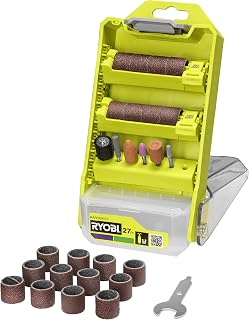




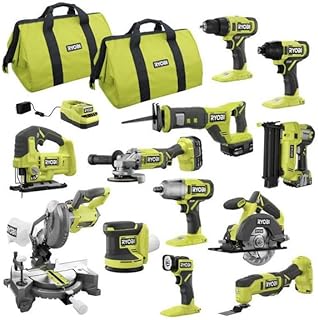
Ryobi cordless sanders are designed for shoppers who want convenient sanding without the restrictions of a power cord. Whether you are preparing timber for paint, smoothing plywood, refinishing furniture or completing renovation work, choosing the correct sanding format can make a noticeable difference. The most suitable model depends on the size and shape of the workpiece, the amount of material you need to remove and the finish you want to achieve.
For Canadian DIYers and workshop users, a cordless sander can be especially useful when moving between rooms, working in a garage or tackling projects away from a convenient electrical outlet. If you already own compatible Ryobi batteries and a charger, a bare-tool configuration may also provide a practical way to expand your collection without buying another charging system.
Random orbital sanders are a versatile choice for broad surfaces such as tabletops, doors, cabinets, plywood and timber. Their sanding motion combines orbital movement with pad rotation, helping produce an even surface when the correct abrasive and technique are used. They can be suitable for smoothing wood, preparing surfaces for coatings and removing certain existing finishes.
Detail sanders are useful for corners, edges, profiles and smaller workpieces where a larger circular sanding pad can be difficult to control. Finishing and sheet-style sanders can also be useful for controlled sanding across relatively flat surfaces. Consider the projects you complete most often rather than choosing a sander based solely on maximum speed or power.
Battery compatibility should be one of the first considerations when comparing Ryobi cordless sanders. If you already have compatible batteries, a tool-only model may be convenient. New users should compare the complete cost of the sander, battery and charger. Runtime depends on battery capacity, material, abrasive choice, sanding pressure and workload, so there is no single runtime figure that applies to every project.
Variable speed can provide greater control when working with different materials and finishes. A larger sanding pad can cover broad surfaces efficiently, while a compact sanding area can provide better control in confined spaces. Weight and balance also matter because sanding often involves repetitive movement. Consider how the tool feels with the battery installed rather than judging comfort from bare-tool weight alone.
Sanding generates fine dust, making dust management an important consideration. Depending on the model, collection may involve an integrated dust bag, container or connection to a compatible vacuum system. Good dust management can help keep the immediate work area cleaner, although it should not replace suitable eye protection, respiratory protection and ventilation where required.
Good sanding results depend on more than the tool itself. Select an abrasive appropriate for the material and task, and progress through suitable grit levels rather than attempting to remove deep scratches with a very fine abrasive. Coarser grits can be useful for heavier material removal, medium grits for general smoothing and finer grits for final surface preparation.
Use controlled pressure and keep the sander moving steadily across the workpiece. Excessive downward force can reduce the effectiveness of the sanding motion and accelerate abrasive wear. Before sanding, secure the workpiece and check for protruding nails, screws, staples or other objects that could damage the abrasive or sanding pad.
A cordless sander can be a convenient option for Canadian homeowners, renovators and woodworking enthusiasts who value portability. There is no extension cord to position around a workpiece, and compatible batteries can be shared with other tools in the same platform where supported. This can simplify jobs in garages, workshops, outdoor areas and different rooms of a home.
The main trade-off is battery management. For longer sanding sessions, having additional compatible batteries can reduce interruptions. Battery storage also deserves attention during Canada's colder seasons. Follow the manufacturer's storage and charging guidance, and avoid exposing rechargeable batteries to unsuitable temperatures for prolonged periods.
For Canadian shoppers, the best Ryobi cordless sander is the one that matches the work rather than simply the model with the highest specification. Think about your usual surfaces, project size, desired finish, battery collection and preferred sanding method. Comparing these factors first makes it easier to select a practical cordless sanding solution for your workshop or next DIY project.
Find the right Ryobi cordless sander for woodworking, furniture refinishing, home renovation and DIY projects across Canada. Cordless sanding provides freedom from extension cords while fitting naturally into the Ryobi battery ecosystem. Compare sanding styles, pad sizes, battery requirements, dust collection, ergonomics and abrasive compatibility to choose a model that suits your projects.