

Explore cordless power tools, kits, batteries, chargers, accessories and related equipment available to Canadian shoppers. Compare product options and follow useful buying guides before you buy.


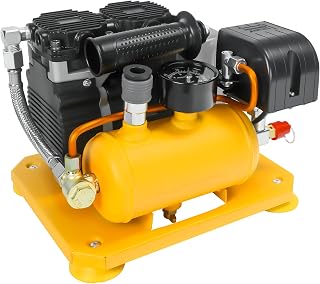


Choosing the best DEWALT cordless air compressor in Canada requires more than comparing battery voltage or tank size. A useful compressor needs to deliver enough air for the intended tool, remain practical to transport, and work reliably in the conditions where it will actually be used. Canadian buyers should also consider battery compatibility, cold-weather storage, noise, portability, charging requirements, and the availability of replacement parts and accessories.
DEWALT has a broad cordless tool ecosystem, so buyers who already own compatible DEWALT batteries may have a practical advantage when choosing a cordless compressor. However, battery compatibility should never be confused with identical performance. Different compressors can have substantially different tank capacities, maximum pressure, airflow ratings, duty cycles, controls, and intended applications.
This guide focuses on the factors that matter when comparing DEWALT cordless air compressors for Canadian use in 2026. Rather than treating one specification as decisive, consider the complete system: compressor output, pneumatic tool requirements, battery platform, portability, operating environment, maintenance needs, and the type of work you expect to perform.
A cordless air compressor can be particularly useful when an electrical outlet is unavailable or when running an extension cord would make the job inconvenient. Construction sites, remote repairs, garages, renovation projects, finishing work, and vehicle-related tasks can all benefit from portable compressed air.
The main attraction of a DEWALT cordless compressor is mobility. A battery-powered unit can be carried directly to the work area without depending on a mains power connection. This can simplify jobs such as inflating tires, blowing debris from suitable work areas, operating compatible low-demand pneumatic tools, and completing finishing tasks where portability is more important than continuous high-volume air delivery.
There is, however, a trade-off. Cordless compressors rely on stored battery energy. Heavy pneumatic tools that consume substantial amounts of air may drain batteries quickly or cause the compressor to cycle frequently. For demanding continuous applications, a larger corded compressor may still be the better choice.
Compact pancake-style compressors are designed around portability and a relatively small footprint. They can be convenient for trim work, inflation, light finishing tasks, and occasional compressed-air applications. Their smaller tanks typically mean less stored air, so they may cycle more often when a tool requires continuous airflow.
For homeowners and tradespeople who value portability, a compact design can be more useful than a larger compressor that is difficult to move between locations.
Jobsite-oriented cordless compressors generally emphasize durability, mobility, and practical controls. They may provide a better balance between tank capacity and portability than extremely compact models.
These compressors can be appropriate when the unit needs to travel regularly between a workshop, vehicle, construction area, or renovation site. Look closely at the handle design, overall weight, protective components, and placement of the controls before choosing one.
Higher-pressure models are intended for applications where pressure capability is important. Maximum PSI alone, however, does not tell you how effectively a compressor can operate a pneumatic tool.
When comparing high-pressure compressors, consider both maximum pressure and airflow. A compressor may reach a high PSI figure while still being unsuitable for a pneumatic tool that demands substantial continuous CFM.
PSI means pounds per square inch and indicates pressure. A compressor's maximum PSI describes the highest pressure the tank or system is designed to reach under its stated specifications.
Higher PSI can be useful for applications that require greater pressure, but it does not automatically mean that the compressor is more powerful for every task.
CFM means cubic feet per minute and describes airflow. For pneumatic tools, airflow can be one of the most important specifications because many tools require a particular amount of air while operating.
A compressor intended primarily for inflation does not necessarily need the same airflow capability as one intended to run a pneumatic nailer or other air-consuming tool.
Think of PSI as the pressure available and CFM as the amount of air the compressor can supply. Matching the compressor to a pneumatic tool requires checking the tool manufacturer's requirements rather than selecting a compressor based only on the highest PSI number.
Always compare the compressor's stated airflow rating with the pneumatic tool's specified air consumption. If the tool requires substantially more continuous airflow than the compressor can supply, the compressor may run frequently and struggle to keep up.
Tank capacity determines how much compressed air can be stored before the compressor needs to replenish it. A larger tank can provide a useful reserve for short bursts of air and may reduce how frequently the motor starts during intermittent tasks.
A smaller tank has the opposite advantage: reduced size and weight. For inflation and occasional short-duration work, portability may matter more than maximum storage capacity.
Do not assume that the biggest tank is automatically the best choice. Tank size should match the application. A professional who moves equipment frequently may prefer a lighter compressor, while someone working primarily in a garage may benefit from greater stored-air capacity.
For cordless DEWALT equipment, battery compatibility should be checked before purchase. DEWALT offers different battery families and capacities, and not every battery is intended to deliver the same runtime or performance in every tool.
Higher-capacity batteries can provide more stored energy, but they may also increase overall weight and cost. A buyer who already owns several compatible batteries may want to compare the compressor's battery requirements with the batteries already available in their workshop.
Battery condition also matters. An older or heavily used battery may not provide the same practical runtime as a newer battery of the same nominal capacity. When comparing cordless compressors, consider whether the advertised package includes a battery and charger or whether the compressor is sold as a bare tool.
There is no single runtime figure that applies to every user. Compressor runtime depends on the battery capacity, air demand, pressure settings, ambient temperature, frequency of compressor cycling, and the task being performed.
Continuous pneumatic-tool use generally places a greater demand on the system than occasional inflation. A compressor that performs well for short bursts may require additional batteries for extended jobsite use.
For demanding applications, consider purchasing additional compatible batteries only after confirming the compressor's specifications and your expected workload. Battery capacity should be viewed as part of the complete operating system rather than an isolated number.
Air compressors can generate noticeable mechanical noise when the motor operates. For residential renovations, indoor work, garages, and occupied workspaces, noise can be an important consideration.
Do not assume that every cordless compressor has the same sound characteristics simply because the units use the same battery platform. Compressor design, motor configuration, enclosure, mounting, and operating cycle can affect perceived noise.
If noise matters to your application, check the manufacturer's stated sound information where available and consider verified customer feedback for practical observations. Hearing protection may still be appropriate depending on the work environment and exposure.
One of the strongest reasons to choose a cordless compressor is portability. However, portability involves more than the compressor's listed weight.
A compressor that is technically portable but awkward to carry may be less convenient in daily use than a slightly heavier model with better ergonomics.
Many portable compressors use oil-free pump designs because they can reduce maintenance requirements and simplify transportation. An oil-free compressor generally does not require the same type of pump oil management associated with traditional oil-lubricated designs.
Oil-lubricated compressors can have advantages in certain applications, but their maintenance and operating requirements can be different. For a portable cordless tool intended for convenience, the maintenance characteristics of an oil-free design can be particularly attractive.
Always follow the specific maintenance instructions provided for the compressor you choose. Do not add oil to a pump unless the manufacturer's documentation specifically requires it.
Automatic pressure control is a valuable convenience feature. Many compressors automatically start when tank pressure falls below a specified level and stop when the target pressure is reached.
When comparing models, examine how the pressure controls are arranged and whether the gauges are easy to read. A clear control layout becomes particularly important when the compressor is used on a busy jobsite or while wearing work gloves.
Inflation is one of the most accessible uses for a portable compressor. Depending on the compressor and accessories, users may inflate vehicle tires, bicycle tires, sports equipment, and other suitable items.
However, tire inflation should always be performed according to the vehicle or equipment manufacturer's specified pressure. Use an accurate pressure gauge and avoid treating the compressor's maximum PSI as the recommended pressure for the item being inflated.
Air nailers and staplers can be a practical application for portable compressors because many fastening operations involve short bursts of air rather than uninterrupted airflow.
Before choosing a compressor for a nailer, check the nailer manufacturer's required operating pressure and average air consumption. The compressor should have adequate capacity for the expected fastening rate.
For occasional trim work, a compact compressor may be sufficient. For intensive framing or production work, a larger-capacity system may be more appropriate.
Compressed air can be useful for removing loose debris from suitable surfaces, but it should be used carefully. Never direct compressed air toward people, animals, skin, or sensitive components where doing so could cause injury or damage.
When using compressed air around electronics, machinery, or workshop equipment, follow the equipment manufacturer's cleaning instructions. Some components can be damaged by excessive pressure, moisture, static electricity, or displaced debris.
Canadian weather introduces considerations that may be less important in mild climates. Batteries can be affected by low temperatures, and cold conditions can influence their practical performance.
For winter work, avoid assuming that a battery stored in extremely cold conditions will deliver normal performance immediately. Follow the battery manufacturer's storage, charging, and temperature recommendations.
Where possible, store batteries and compressors in suitable conditions rather than leaving them exposed to extreme temperatures for prolonged periods. Before outdoor winter work, inspect the equipment and confirm that it is suitable for the environmental conditions.
Compressed air systems can accumulate moisture inside the tank. This is particularly relevant when the compressor is operated in changing temperatures or humid environments.
Follow the manufacturer's instructions for draining the tank. Do not ignore tank drainage simply because the compressor is cordless. Battery power changes how the compressor receives energy, but it does not eliminate the maintenance requirements associated with compressed air.
Regularly inspect the tank, fittings, hoses, and connections for signs of damage or corrosion. If the manufacturer specifies a particular inspection or service interval, follow that guidance.
A good compressor should be evaluated as a pressure vessel and power tool rather than simply as another battery-operated device. Safety-related features and correct operating procedures are essential.
Never modify pressure-control or safety components. Use hoses, fittings, accessories, and pneumatic tools within their rated specifications.
Maximum PSI is easy to compare, but it does not describe the complete performance of a compressor. A high-pressure specification cannot compensate for inadequate airflow when a pneumatic tool requires sustained CFM.
If you intend to run a pneumatic tool, check its air requirements first. The compressor should be selected around the tool's actual demands rather than the other way around.
A bare-tool compressor may look attractive if you already own compatible batteries, but buyers starting a cordless system should calculate the complete cost of the compressor, battery, and charger where necessary.
A larger tank can increase stored-air capacity, but it can also add weight and bulk. For mobile work, portability may provide greater practical value.
Cordless operation does not mean maintenance-free operation. Tank drainage, inspections, filter care where applicable, fitting checks, and correct storage can all contribute to dependable operation.
DEWALT is not the only brand worth considering when shopping for a cordless air compressor in Canada. Depending on your battery ecosystem and application, you may also encounter products from Milwaukee, Makita, Bosch, RIDGID, and other established power-tool manufacturers.
Milwaukee can be attractive to users already invested in its cordless tool platform. Makita also offers a broad battery ecosystem with cordless equipment across multiple categories. RIDGID may appeal to buyers who already use compatible tools, while Bosch is another established name to consider depending on the specific compressor and application.
The best choice should not be based on brand recognition alone. Compare the actual compressor specifications, battery compatibility, warranty terms stated by the manufacturer, service arrangements, included accessories, physical design, and intended application.
When two models appear similar, use a consistent comparison process.
This approach helps prevent a common purchasing mistake: selecting the model with the largest number in one specification while overlooking several other factors that determine real-world suitability.
A DEWALT cordless compressor can make sense for tradespeople, contractors, maintenance workers, DIY users, vehicle owners, and homeowners who value portability and already use compatible DEWALT batteries.
It can be especially practical when the compressor needs to move frequently or operate away from a convenient electrical outlet. The cordless format can also reduce the need to route power cables through a workspace.
A corded compressor may be preferable when continuous airflow is the priority. Workshop users who operate demanding pneumatic tools for extended periods may benefit from a larger compressor with greater tank capacity and continuous output.
If the compressor will remain in one location and electrical power is readily available, cordless portability may offer less practical value. In that situation, compare stationary and corded portable compressors before committing to a battery-powered model.
Prioritize compact size, convenient controls, suitable pressure capability, and battery portability. A large tank may not be necessary if the compressor is primarily used for occasional inflation.
Look for a compressor that can meet the pressure and airflow requirements of your nailer or stapler while remaining easy to move around the work area. Low weight and manageable noise can be valuable considerations.
Consider durability, battery runtime, portability, and compatibility with the pneumatic tools you expect to use. A compressor that can easily move between rooms or job areas may be more useful than a larger unit that is difficult to transport.
If the compressor will operate primarily in a garage or workshop, portability may become less important. Compare tank capacity and airflow more closely, especially if several pneumatic tools are used.
Professionals should evaluate the complete operating cycle. Consider battery availability, expected daily workload, compressor recovery, physical durability, service requirements, and whether the compressor can keep up with the intended pneumatic tools.
Proper maintenance can help preserve performance and identify problems before they become more serious.
Do not attempt pressure-vessel repairs or modifications unless you are specifically qualified and the manufacturer permits the work. A damaged tank can present a serious safety hazard.
Canadian shoppers should confirm that the exact model configuration is appropriate for the Canadian market. Product names can be similar across regions, while battery kits, electrical specifications, included accessories, and model numbers can differ.
Check the exact model number rather than relying solely on product photographs. Review the manufacturer's specifications and compare the package contents carefully. If purchasing through an online retailer, verify whether the listing is for a bare tool, a complete kit, or a package with additional accessories.
A bare-tool compressor can be a cost-effective option for someone who already owns compatible batteries and chargers. However, a buyer entering the battery platform may need to purchase additional equipment.
When comparing prices, calculate the complete setup rather than comparing the compressor price alone. Consider the compressor, required battery, charger, hose, fittings, and any application-specific accessories that are not included.
Customer reviews can provide useful information about usability, portability, noise, battery behavior, packaging, and long-term ownership experiences. They should not, however, replace the manufacturer's specifications.
Look for repeated observations across multiple verified reviews rather than relying on one unusually positive or negative comment. Pay particular attention to reviews from customers performing the same type of work you intend to perform.
Also distinguish between complaints about the product itself and complaints caused by selecting an unsuitable compressor for a demanding application.
The best model depends on the application. A compact compressor may be preferable for portability and inflation, while a model with greater airflow and tank capacity may be more suitable for pneumatic tools. Compare the compressor's PSI, CFM, tank size, battery requirements, weight, and intended use before choosing.
Some DEWALT cordless compressors can operate compatible pneumatic tools, but suitability depends on the specific tool's pressure and airflow requirements. Always compare the pneumatic tool's specifications with the compressor's published output.
A suitable compressor can be used for tire inflation when its specifications and accessories support the application. Always follow the vehicle manufacturer's recommended tire pressure and use an appropriate pressure gauge.
No. PSI is only one specification. Airflow, tank capacity, recovery behavior, battery capacity, portability, and intended application can be equally or more important depending on the job.
No. A larger tank provides more stored compressed air but can increase size and weight. Choose the tank capacity according to the application and the importance of portability.
A bare tool can make sense if you already own compatible DEWALT batteries and a suitable charger. If you do not own the required battery platform, compare the complete cost of the compressor, battery, and charger before deciding.
Use depends on the manufacturer's stated operating conditions. Batteries can behave differently in cold temperatures, so follow the battery and compressor manufacturer's storage, charging, and operating recommendations.
Follow the specific manufacturer's maintenance instructions. Moisture can accumulate inside compressed-air tanks, so appropriate drainage and inspection are important for portable compressors as well as larger workshop models.
Applications such as continuous pneumatic sanding or grinding can demand substantially more airflow than inflation or intermittent fastening. Check the tool's required CFM and compare it with the compressor's output before purchasing.
Neither is universally more important. PSI determines pressure capability, while CFM describes airflow. The correct balance depends on the tool or task. For air-hungry pneumatic tools, adequate airflow is particularly important.
The best DEWALT cordless air compressor is not necessarily the largest, lightest, most powerful, or most expensive model. The right choice is the one whose specifications align with the work you actually perform.
Start by identifying your applications. If you primarily need inflation and occasional compressed air, portability may be the priority. If you operate nailers or staplers, compare pressure, airflow, and recovery requirements. If you expect extended pneumatic-tool use, examine airflow and tank capacity closely and consider whether a corded compressor would be more appropriate.
For existing DEWALT users, battery compatibility can simplify the decision, but it should still be verified against the exact model. Check whether the listing includes a battery and charger, compare the complete cost, and confirm the precise model number.
Finally, compare current specifications and verified customer feedback before purchasing. A careful comparison of PSI, CFM, tank capacity, battery requirements, portability, maintenance, and intended use will give you a much better basis for selecting a cordless air compressor for Canadian conditions in 2026.