

♥ Wishlist
We analyzed 19 of the most popular Ridgid Cordless Caulking Guns available in ca. Compare features, customer reviews, ratings, and expert recommendations to help you choose the best option in 2026.


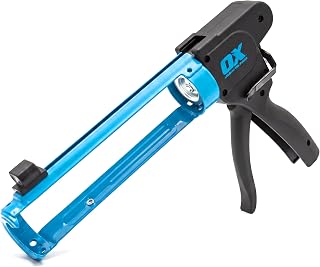


Choosing the right cordless caulking gun can make a noticeable difference when applying construction adhesive, sealant, silicone, polyurethane and other cartridge-based materials. For Canadian homeowners, contractors, renovators and maintenance professionals, a Ridgid cordless caulking gun can be especially appealing when battery compatibility, controlled dispensing and jobsite mobility matter.
This buying guide focuses on what to consider when comparing the best Ridgid cordless caulking guns available in Canada in 2026. Rather than judging a tool by appearance alone, it is important to examine battery platform compatibility, dispensing control, thrust capability, speed adjustment, cartridge capacity, ergonomics, runtime, weight and compatibility with the materials you actually use.
Ridgid is well known for its cordless power-tool ecosystem, and buyers who already own compatible Ridgid batteries may find a cordless caulking gun particularly convenient. However, the best choice depends on the application. A professional who regularly applies thick construction adhesive has different requirements from a homeowner sealing windows, bathrooms or trim.
A cordless caulking gun replaces repeated manual squeezing with a powered dispensing mechanism. This can reduce hand fatigue and provide more consistent material flow during long applications. The advantage becomes more apparent when working with high-viscosity products or when sealing a large number of joints.
A quality cordless model should provide enough thrust to move the selected material smoothly while still allowing the user to control the bead. Excessive dispensing speed can create waste and make precise work harder, so adjustable speed is often more useful than maximum speed alone.
There is no single model that is automatically the best for every Canadian buyer. Start by identifying the material, cartridge size and type of work involved. Then compare the tool's mechanical and ergonomic characteristics.
Battery compatibility should be one of the first considerations. If you already use Ridgid cordless tools, staying within the same battery ecosystem can simplify charging and reduce the need to maintain another battery platform.
Before buying, verify the exact battery requirements of the caulking gun and whether the battery is included. Some tool-only configurations are sold without a battery or charger. A lower initial tool price may therefore not represent the lowest total purchase cost if you need to add batteries and charging equipment.
Canadian users should also consider the type and number of batteries they already own. For occasional household work, one compatible battery may be sufficient. Contractors handling continuous applications may prefer having multiple charged packs available.
Thrust determines how effectively the tool can push material through the nozzle. This matters because different sealants and adhesives have substantially different viscosities.
Thin silicone products do not require the same dispensing force as thick construction adhesive. A tool intended for demanding materials should provide adequate mechanical power without making bead control unnecessarily difficult.
When comparing specifications, do not assume that the highest thrust rating automatically makes a tool superior. Excessive power is less useful if the trigger and speed control do not provide enough precision for detailed work.
Variable-speed control is one of the most important features for precise caulking. A slower setting can help when applying narrow beads around trim, fixtures and joints. Higher speeds can save time when filling larger joints or applying adhesive across extensive surfaces.
Good control allows the operator to adjust material flow to the nozzle size, sealant viscosity and working conditions. This is particularly useful when switching between different products.
Material continuing to emerge after releasing the trigger can create excess waste and messy surfaces. An automatic pressure-release or anti-drip mechanism can help reduce this problem.
This feature does not eliminate the need for proper technique. The nozzle still needs to be cut correctly, the tool should be handled carefully and excess material should be removed according to the sealant manufacturer's instructions.
Not every caulking gun handles every type of container. Before purchasing, confirm whether the tool accepts the cartridge sizes and packaging formats you commonly use.
Standard cartridges are common for many sealants and adhesives, but some materials are supplied in sausages or other packaging formats. If your work involves several types of material, broader compatibility can be more valuable than a specialized design.
Thrust ratings can appear impressive in product specifications, but they should be interpreted in context. Thrust describes the force available to push material forward. It does not directly tell you how cleanly or quickly a particular sealant will dispense.
Material viscosity, nozzle diameter, cartridge design, temperature and speed settings all influence actual performance. A thick adhesive may require substantially more force than a lightweight acrylic sealant.
For professional buyers, the most useful approach is to match the tool's capabilities to the products specified for the job. For homeowners, selecting a tool with sufficient capacity for commonly used sealants is usually more practical than choosing solely by the largest numerical rating.
Caulking materials can behave very differently. Acrylic latex, silicone, polyurethane and construction adhesives each have different flow characteristics. Temperature can also affect viscosity.
Cold conditions can make some materials harder to dispense. This is particularly relevant in Canada, where outdoor renovation and construction work can involve significant temperature changes.
A cordless caulking gun with appropriate thrust and variable-speed control gives the operator more flexibility. Nevertheless, the material itself must always be stored and used according to its manufacturer's instructions.
Battery runtime depends on several factors, including battery capacity, dispensing pressure, material viscosity, speed setting and frequency of use. It is therefore difficult to judge runtime from battery size alone.
For occasional projects, runtime may be a minor concern. For contractors, it can influence productivity. A practical setup may include a spare compatible battery so work does not have to stop while a depleted pack is charging.
Tool-only packages can be attractive for buyers who already have compatible batteries. Buyers entering a battery platform for the first time should calculate the complete cost of the tool, batteries and charger.
A caulking gun is often held in front of the body for extended periods. Poor balance can therefore become tiring even when the tool has excellent dispensing power.
Pay attention to total operating weight rather than the tool-only weight. Once a battery and full cartridge are installed, the actual weight can be noticeably higher.
A powered caulking gun can be useful across many construction, renovation and maintenance applications. The correct material must always be selected for the intended surface and environmental conditions.
Sealant is frequently used around sinks, countertops, tubs, showers and other areas where controlled application is important. Variable speed can help create a consistent bead around corners and edges.
Installation work can involve substantial lengths of sealant. A powered tool may reduce hand fatigue compared with a manual gun, especially when multiple openings are being treated.
Thicker construction adhesives can be difficult to dispense manually. A suitable high-thrust cordless caulking gun can make repetitive adhesive application easier.
Fine finishing requires control rather than maximum speed. A tool with responsive variable-speed adjustment can help the user apply a more manageable bead around trim, mouldings and joints.
Maintenance departments and property professionals may use powered caulking equipment for recurring sealing tasks. Cordless operation is particularly convenient where access to electrical outlets is limited.
Brand reputation matters, but the tool still needs to match the application. A reputable brand cannot compensate for an incompatible cartridge system, inadequate thrust or unsuitable battery configuration.
A tool-only package can appear inexpensive until the cost of a compatible battery and charger is added. Compare complete system costs before making a decision.
High thrust can be useful for thick adhesive, but precision is equally important. For detailed caulking, controlled low-speed operation may matter more than maximum output.
Always check the manufacturer's specifications before purchasing. A caulking gun is only useful if it accepts the materials and container formats required for your projects.
A heavy tool may be manageable for short applications but tiring during extensive sealing work. Consider the complete operating weight with the battery and cartridge installed.
Ridgid is not the only brand worth considering when shopping for a cordless caulking gun in Canada. Depending on the buyer's existing battery collection and professional requirements, alternatives from brands such as Milwaukee, Makita, DEWALT and Ryobi may also deserve comparison.
The most useful comparison is not simply brand versus brand. Instead, compare the specific tools according to battery platform, thrust, speed control, cartridge compatibility, ergonomics, runtime, included accessories and overall system cost.
Milwaukee offers a broad professional cordless tool ecosystem. Buyers already invested in that battery platform may prefer a compatible Milwaukee caulking gun. Ridgid can make more sense for users who already own compatible Ridgid batteries or want to remain within that ecosystem.
Makita is another established cordless tool brand with a broad range of professional equipment. When comparing Makita and Ridgid caulking guns, focus on the specific model's dispensing control, battery requirements and compatibility with your preferred sealants.
DEWALT's cordless ecosystem is widely used across construction and maintenance applications. Buyers should compare the exact battery platform, tool configuration and dispensing characteristics rather than selecting based solely on brand familiarity.
Ryobi is often considered by homeowners and DIY users looking for broad battery-platform compatibility. The appropriate choice depends on how frequently the tool will be used and whether the buyer already owns compatible batteries.
If you are comparing multiple models or configurations, use a consistent evaluation process. This makes it easier to distinguish genuinely useful features from specifications that have little relevance to your work.
Professionals should prioritize reliability, controllability and compatibility with materials used repeatedly on the job. A tool that saves hand effort but creates inconsistent beads may not provide the productivity improvement expected.
Consider the average number of cartridges used during a working day. If the answer is several cartridges or more, ergonomics and battery management become increasingly important.
Contractors should also consider whether different crews use the same battery platform. Standardizing cordless tools can simplify battery management, although the financial advantage depends on the equipment already owned.
Homeowners typically do not need the same level of continuous-duty capability as professional contractors. If the tool will only be used for occasional bathroom, kitchen, window or trim projects, prioritize ease of use, compatibility and reasonable weight.
It can also be worth considering whether a cordless model is necessary. For a single small project, a quality manual caulking gun may be more economical. A cordless model becomes more compelling when repeated applications, thick materials or hand fatigue are major concerns.
The tool alone does not determine the quality of the finished joint. Surface preparation, nozzle cutting, application speed and finishing technique are equally important.
Proper care can help keep a cordless caulking gun operating smoothly. Always follow the manufacturer's maintenance instructions for the specific tool.
After use, remove cartridges or containers as required and clean material from accessible surfaces before it cures. Hardened sealant can be much more difficult to remove and may interfere with moving components.
Inspect the dispensing mechanism periodically for contamination or damage. Check the battery and contacts for visible damage, and store batteries according to the battery manufacturer's recommendations.
Canadian working conditions can introduce challenges that are less significant in mild climates. Sealants and adhesives may behave differently at lower temperatures, while batteries can also be affected by extreme cold.
Always follow the temperature requirements specified by the material manufacturer. If a sealant requires a particular application temperature, changing the dispensing tool does not eliminate that requirement.
Battery manufacturers also provide storage, charging and operating guidance. Following those instructions is important when tools are transported or used during colder conditions.
Read the tool instructions and the sealant or adhesive safety information before use. Different materials can have different ventilation, skin-contact and protective-equipment requirements.
For 2026 buyers, the most important consideration is still application-specific performance rather than novelty. A useful cordless caulking gun should provide controllable dispensing, appropriate thrust, dependable battery compatibility and practical ergonomics.
Battery-platform compatibility is particularly relevant as cordless tool ecosystems continue to expand. Buyers should consider their complete collection of tools rather than purchasing each device independently.
When reviewing current listings, also verify the exact model number, included accessories and current specifications. Product configurations can differ even when two listings use similar descriptions.
Product pages and marketplace listings can change. Before placing an order, compare the exact model number against the manufacturer's specifications and confirm the configuration shown by the retailer.
The best model depends on the user's application, material type, battery collection and desired level of control. A professional applying thick adhesive may prioritize thrust and runtime, while a homeowner may prioritize weight, simplicity and precision.
A suitable high-thrust model can be useful for thick construction adhesives, but buyers should verify the specific model's specifications and the adhesive manufacturer's requirements before purchasing.
Compatibility depends on the particular tool and cartridge system. Check the manufacturer's specifications for the exact model and the silicone product before use.
Some powered caulking guns incorporate mechanisms designed to reduce material flow after the trigger is released. The effectiveness depends on the tool, material and operating technique.
Not necessarily for every project. Cordless models can reduce hand fatigue and improve productivity during repetitive applications. A manual gun may be more practical for occasional small jobs.
Some models are designed to dispense construction adhesive, but the required thrust and cartridge compatibility vary. Always verify the specifications before using a particular adhesive.
A tool-only model can be a sensible choice if you already own compatible Ridgid batteries and a charger. If you do not own the battery platform, compare the combined cost of the tool, battery and charger.
Variable speed is highly useful when applications range from delicate finishing work to faster adhesive application. It gives the operator greater control over material flow.
Many cordless tools are convenient for outdoor work, but the tool's operating requirements and the sealant's application conditions must both be considered. Weather, temperature and material specifications can affect the result.
The buying criteria in this guide can help contractors compare models, but professionals should verify the exact specifications, compatibility and manufacturer documentation for the tools being considered.
Before choosing among the best Ridgid cordless caulking guns in Canada, consider the complete application rather than one specification. The right tool should match the material, cartridge, workload and battery system you actually use.
For Canadian buyers in 2026, the strongest choice is the Ridgid cordless caulking gun that fits the materials, workload and battery ecosystem already used on the job. Compare exact model specifications carefully, check current retailer information, and choose based on practical dispensing control rather than marketing claims alone.