

♥ Wishlist
We analyzed 6 of the most popular Cordless Caulking Guns available in ca. Compare features, customer reviews, ratings, and expert recommendations to help you choose the best option in 2026.
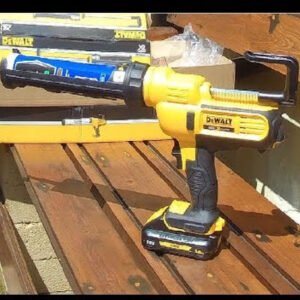
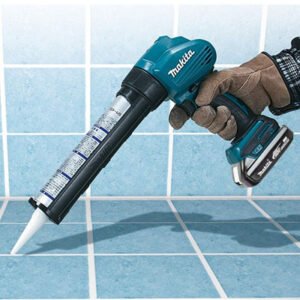
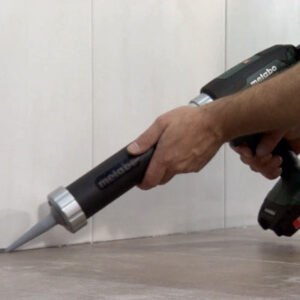
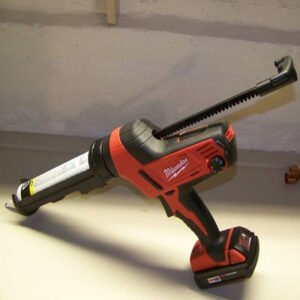
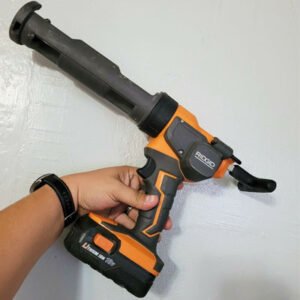
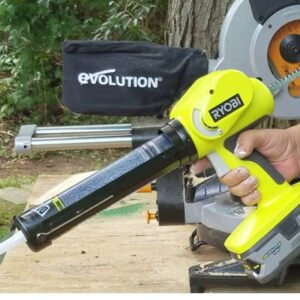
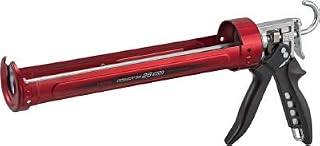


A cordless caulking gun can make a substantial difference when a project involves dozens of joints, seams, penetrations, windows, doors, countertops, siding details, or construction assemblies. Unlike a manual caulking gun, a powered model can continuously advance the plunger while you concentrate on maintaining the correct bead, gun angle, and travel speed.
For Canadian buyers, the best cordless caulking gun is not necessarily the model with the highest advertised thrust. The right choice depends on the materials you apply, the cartridge or sausage-pack format you use, the amount of caulking required, the battery platform already in your workshop, and how precisely you need to control material flow.
A professional contractor working with high-viscosity construction adhesive has very different requirements from a homeowner sealing a few bathroom joints. A model that is excellent for occasional silicone work may be less suitable for heavy-duty polyurethane, adhesive, or cold-weather construction materials. Treat thrust, speed control, compatibility, ergonomics, and dispensing-system flexibility as separate buying criteria rather than judging a gun from one specification.
Thrust determines how effectively the tool can push material through the nozzle. This becomes increasingly important as material viscosity rises. Thin silicone and acrylic products generally require less force than dense construction adhesive, polyurethane sealants, or other heavy-bodied compounds.
Higher thrust capacity can provide useful headroom for demanding applications, but maximum thrust should not be treated as an automatic indication of superior dispensing quality. Excessive force without sufficiently controllable speed can make a gun harder to use neatly, particularly around finished surfaces.
When comparing specifications, look for the manufacturer's stated thrust rating and consider it alongside variable-speed control. A balanced combination of force and control is usually more useful than maximum force alone.
Variable-speed control is one of the most important features for achieving a consistent bead. A trigger or speed-control system that allows gradual adjustment gives the operator greater control over material flow.
Slower dispensing can be valuable for detailed finishing work, narrow joints, and situations where a small amount of sealant must be deposited accurately. Faster operation can save time on long construction joints when the material and nozzle size permit a larger bead.
For a buying comparison, examine how the speed is controlled rather than simply looking for the words “variable speed.” A well-designed control system should allow the user to increase or decrease material flow without making the gun feel abrupt or difficult to regulate.
Automatic pressure release is another feature worth prioritizing. When the trigger is released, residual pressure can otherwise continue forcing material from the nozzle. This can create unwanted drips, waste material, and make finishing more difficult.
An effective anti-drip system can be particularly helpful when moving between joints or stopping at corners. It does not eliminate the need for proper technique, but it can reduce the amount of material that continues to emerge after dispensing stops.
Compatibility is more important than many first-time buyers realize. Caulking products are sold in different packaging formats and capacities, so confirm that the dispensing mechanism supports the products you actually intend to use.
Depending on the design, a cordless caulking gun may accept standard cartridges, larger-volume cartridges, sausage packs, or multiple formats through interchangeable holders and plungers. Some models are designed around a specific dispensing system.
Before purchasing, check the manufacturer's stated cartridge capacity, compatible package types, maximum container size, and required accessories. A powerful gun that cannot accommodate the sealant packaging used on your projects is not a practical choice.
Battery compatibility can strongly influence the overall value of a cordless caulking gun. If you already own compatible batteries and a charger from a major cordless tool system, staying within that platform can reduce the need to purchase another battery ecosystem.
Common professional and consumer platforms include Milwaukee M12 and M18, DEWALT 20V MAX, Makita 18V LXT, Bosch 18V systems, RIDGID 18V, and other established cordless ranges. Ryobi also offers a broad battery ecosystem that may appeal to homeowners and DIY users.
Do not select a tool solely because its battery voltage appears higher. Voltage labels from different manufacturers are not a direct measure of dispensing performance. Compare the complete system, including thrust, speed control, runtime, ergonomics, battery cost, charger availability, and compatibility with your existing tools.
A cordless caulking gun is often an addition to an existing tool collection rather than a standalone purchase. If your workshop already uses one battery platform, buying a bare tool from that ecosystem can make considerably more sense than starting a separate battery system.
For example, a contractor already invested in DEWALT batteries may reasonably compare DEWALT-compatible options first. A user with several Milwaukee tools may place Milwaukee compatibility near the top of the shortlist. The same logic applies to Makita, Bosch, RIDGID, Ryobi, and other established systems.
However, battery-platform loyalty should not override application requirements. If a particular dispensing format, thrust level, or ergonomic feature is essential, compare compatible alternatives before making the final decision.
Cordless caulking guns are commonly sold either as bare tools or as kits containing a battery and charger. The better option depends on what you already own.
Fast dispensing sounds attractive, especially for professionals, but speed without control can produce inconsistent beads. A good cordless caulking gun should let the user match dispensing speed to the material and joint.
For example, a narrow finishing joint may require slow, controlled dispensing, while a long construction seam may benefit from faster material delivery. A tool that performs both tasks effectively is generally more versatile than one optimized only for maximum output.
No dispensing gun can compensate completely for incorrect nozzle preparation or poor application technique. The nozzle opening, material temperature, joint dimensions, travel speed, and gun angle all influence the final bead.
Different caulking and adhesive products can behave very differently. “Caulk” is a broad category rather than a single material type. Acrylic latex, silicone, polyurethane, hybrid sealants, construction adhesives, and other compounds can have substantially different dispensing characteristics.
Material viscosity can also change with temperature. A product that flows reasonably well in a warm indoor environment may become significantly more resistant to dispensing in cold conditions. This is particularly relevant for Canadian projects performed in garages, workshops, exterior construction areas, or partially heated buildings.
Many conventional sealants can be dispensed without extremely high thrust. In these applications, smooth speed control, comfortable handling, and precise shutoff can be more important than maximum force.
Heavy construction adhesives and dense sealants can require considerably more dispensing force. Buyers working with these products should pay close attention to the manufacturer's thrust rating and compatibility information rather than assuming that every cordless caulking gun can handle them equally well.
Canadian conditions introduce considerations that may be less important in warmer climates. Sealant storage temperature, cartridge temperature, battery temperature, and the working environment can all affect the dispensing experience.
Cold material can become harder to dispense, increasing the load placed on the gun. Cold batteries can also behave differently from batteries operating at moderate indoor temperatures. For outdoor winter work, consult the battery and sealant manufacturers' operating recommendations rather than assuming that a tool's nominal specifications represent every environmental condition.
When possible, keep sealant cartridges within the temperature range specified by the sealant manufacturer before application. Do not use a tool outside its specified operating conditions merely because it has sufficient mechanical thrust.
A caulking gun can be mechanically capable and still be uncomfortable after several hours of use. Weight distribution, grip shape, trigger placement, battery position, balance, and access to speed controls all affect fatigue.
For professional users, ergonomic considerations deserve almost as much attention as raw performance. Repeated dispensing can involve hundreds of trigger actions and extended periods of holding the tool at awkward angles.
Pay attention to where the battery and dispensing mechanism sit relative to the grip. A tool that feels balanced in a showroom or product photograph may feel different when loaded with a full cartridge.
The grip should allow a secure hold without requiring excessive squeezing force. Trigger operation should be predictable, particularly when making controlled changes to material flow.
Speed settings and other controls should be easy to adjust without forcing the user to change grip unnecessarily. This matters when moving continuously along long joints.
Large cartridges can reduce the frequency of replacement, but they also add weight. Smaller cartridges can be easier to maneuver but may require more frequent changes during high-volume work.
Compare the maximum supported container size with the products you commonly use. Also consider whether the tool's design remains comfortable when fully loaded. Capacity is valuable only when it matches your workflow.
Sausage packs can offer advantages in certain professional applications because the packaging can reduce rigid-container waste and provide a high material-to-package ratio. However, compatibility depends on the dispensing gun's design.
Rigid cartridges remain extremely common and can be convenient for many household and construction applications. If your work involves both formats, look for a tool designed to support both where the manufacturer explicitly specifies that capability.
The caulking gun is only one part of producing a professional-looking bead. Nozzle preparation has a major influence on the final result. Cutting the nozzle too large can release excessive material, while an opening that is too small can make dispensing unnecessarily difficult.
The angle and orientation of the nozzle also affect bead shape. Consistent travel speed and pressure are generally easier to maintain when the tool provides predictable material flow.
When comparing cordless models, prioritize controllability rather than assuming that higher output automatically creates a better finish.
A manual caulking gun remains an inexpensive and practical solution for small jobs. There is no battery to charge, no motor to maintain, and little setup involved.
The main advantage of a cordless model appears when the amount of dispensing increases or when the material requires significant manual force. Powered dispensing can reduce repetitive hand effort and make extended applications less tiring.
For a homeowner who applies a few cartridges per year, a manual gun may remain perfectly adequate. For a contractor, renovator, installer, or maintenance worker who regularly applies sealants or adhesives, the productivity and reduced hand effort of a cordless model can become much more valuable.
Pneumatic dispensing systems can provide consistent powered operation in workshops and production environments, but they require an air source and hose. Cordless guns eliminate that tether and are easier to move around many jobsites.
The choice depends on the work environment. A workshop with an existing compressed-air system may have good reasons to continue using pneumatic equipment, while a mobile construction crew may value the portability of a battery-powered platform.
The strongest case for purchasing a cordless model usually comes from frequency of use, material resistance, and the need for consistent dispensing. If manual application repeatedly causes hand fatigue or slows a project, powered dispensing can be a practical productivity upgrade.
It can also make sense when a user already owns batteries from the same platform. In that situation, the incremental cost of adding a bare tool may be easier to justify than purchasing an entirely new cordless ecosystem.
Professional-grade equipment is most relevant to contractors, installers, remodelers, maintenance teams, and other users who depend on their tools frequently.
Occasional DIY users may not need maximum thrust, large cartridge capacity, or a professional-grade battery system. If the primary tasks involve a small number of standard cartridges and conventional sealants, a simpler cordless model can be sufficient.
However, do not select a lower-cost tool without checking material compatibility. Saving money on the initial purchase is not useful if the gun cannot dispense the products required for the project.
When comparing cordless caulking guns, established power-tool ecosystems can provide an important advantage because batteries, chargers, accessories, and service infrastructure may already be familiar to the buyer. Major names worth considering include Milwaukee, DEWALT, Makita, Bosch, RIDGID, Ryobi, Metabo HPT, and other established tool manufacturers.
The best brand is not universal. A contractor already invested in one battery platform may have a compelling reason to remain within that ecosystem, while a first-time buyer can compare complete kits and platform costs more freely.
Milwaukee and DEWALT are both prominent professional cordless-tool brands, and buyers may encounter dispensing tools within their broader battery ecosystems.
The useful comparison is not simply brand versus brand. Examine the exact model's thrust, speed-control system, compatible cartridge formats, battery requirements, weight, and accessories. If your workshop already contains batteries from either platform, that existing investment can be a significant part of the buying decision.
Makita's established cordless ecosystem can make its compatible tools attractive to users who already own matching batteries and chargers. As with any battery platform, compare the exact dispensing tool rather than assuming that all products within a brand perform identically.
Platform compatibility should be considered together with the tool's application range. A familiar battery system is convenient, but the gun must still meet the requirements of the sealants and adhesives being used.
Ryobi can be relevant to DIY users who already use its cordless ecosystem. For occasional renovation and maintenance work, platform compatibility may reduce the complexity of maintaining multiple battery systems.
Homeowners should nevertheless compare the exact dispensing capabilities, cartridge compatibility, included accessories, and ergonomics rather than choosing solely on brand familiarity.
Product specifications can be difficult to compare because manufacturers may emphasize different attributes. Use the following framework when reviewing a product listing:
Maximum thrust is only one specification. A high-force gun can still be a poor choice if it is difficult to control, uncomfortable, incompatible with your materials, or unnecessarily heavy for the intended work.
Always verify package compatibility before purchasing. Do not assume that all cordless caulking guns accept every cartridge size or dispensing format.
If you already own several compatible batteries, a bare tool from that ecosystem can often simplify ownership. Conversely, if you have no cordless tools, compare the complete kit and future tool ecosystem rather than focusing only on the caulking gun.
Fast material delivery is useful on long joints, but detailed finishing often benefits from slower and more predictable dispensing. Make variable-speed control a priority when precision matters.
The listed tool weight may not represent the final working weight. Add the battery and a full cartridge when considering ergonomics.
Sealants differ substantially in viscosity and application requirements. Check the product manufacturer's instructions before selecting a dispensing tool for demanding materials.
When two models appear similar, compare them in a consistent order. First establish whether both support the required cartridge format. Then compare thrust capacity, dispensing speed, control features, battery compatibility, weight, ergonomics, and included accessories.
After that, consider the long-term cost of ownership. Battery and charger requirements can make a significant difference when purchasing outside an existing platform. Accessory requirements should also be included in the calculation.
Finally, distinguish between features that directly affect your work and features that simply look impressive on a specification sheet. For most users, reliable material compatibility and controllable dispensing are more important than unused maximum capacity.
Proper maintenance helps keep a dispensing gun operating consistently. Always follow the manufacturer's maintenance instructions for the specific model.
Remove excess uncured sealant from accessible parts according to the sealant manufacturer's cleaning guidance. Once material cures, removal can become substantially more difficult.
Check the plunger, rod, holder, and dispensing components for accumulated material or damage. Contamination can interfere with smooth operation.
Keep battery contacts and the tool's battery interface clean and dry. Remove the battery when performing maintenance unless the manufacturer's instructions specifically require otherwise.
Cartridge holders, plungers, nozzles, and related components can wear or become contaminated. Replace damaged components rather than continuing to use parts that affect safe or consistent dispensing.
Store the tool, batteries, and accessories according to the manufacturer's temperature and storage recommendations. Avoid exposing batteries to inappropriate temperatures or moisture.
Sealant cartridges should also be stored according to the sealant manufacturer's instructions. A cordless caulking gun cannot compensate for a cartridge that has been stored improperly or has exceeded its usable life.
Runtime varies according to battery capacity, material resistance, dispensing speed, trigger use, cartridge size, and working conditions. A larger battery may provide greater operating time, but it can also increase the overall weight of the tool.
For high-volume work, carrying a second charged battery can be more practical than relying on one very large battery. Users should compare battery capacity and availability within their existing platform.
No. Battery capacity primarily affects available operating time and can influence weight and balance. It does not automatically make one dispensing mechanism better than another.
For short jobs, a smaller battery may be preferable because it keeps the tool lighter. For continuous commercial work, longer runtime may justify a higher-capacity battery. The best choice depends on the duration and physical demands of the application.
Even the best cordless caulking gun requires proper technique. Begin by preparing the joint and selecting a nozzle opening appropriate to the required bead size. Maintain a consistent gun angle and move at a steady pace.
Use the speed-control system to establish a material flow that matches your movement. If material accumulates ahead of the nozzle, the dispensing rate or travel speed may need adjustment. If the bead is too thin, increase material flow gradually rather than making an abrupt change.
Finish the joint using a method appropriate for the particular sealant. Always follow the sealant manufacturer's instructions regarding tooling, masking, curing, ventilation, and surface preparation.
A premium caulking gun cannot create a durable seal on an improperly prepared surface. Dirt, dust, grease, moisture, old failed sealant, loose material, and incompatible substrates can affect adhesion.
Before applying a new sealant, identify the surface materials and follow the sealant manufacturer's preparation requirements. Some applications may require cleaning, drying, mechanical preparation, primer, or removal of old material.
Read the tool manufacturer's instructions and the sealant or adhesive manufacturer's safety information before use. Wear the protective equipment specified for the product and application.
Keep hands away from the moving plunger and other pinch points. Do not attempt to clear a blockage while the tool can unexpectedly activate. Remove the battery before maintenance or cleaning when the manufacturer's instructions call for it.
For chemical products, consult the applicable safety documentation and product label. Ventilation requirements vary by material, and some sealants and adhesives require additional precautions.
For DIY renovation work, prioritize ease of control, manageable weight, compatibility with commonly used sealants, and a battery system that does not create unnecessary expense. Maximum professional thrust may not provide meaningful value if most projects involve standard household sealants.
A homeowner should also consider storage and charging. A compact tool that shares batteries with other equipment can be easier to keep ready for occasional projects.
Professional users should place greater emphasis on durability, dispensing force, cartridge capacity, ergonomic design, speed control, and battery availability. Repetitive use changes the buying equation because small ergonomic disadvantages can become significant over a full workday.
Compatibility with the crew's existing battery platform can also simplify jobsite logistics. Before buying, verify the exact dispensing accessories and package formats required by the sealants used on typical projects.
When dispensing dense construction adhesive or another high-resistance material, thrust capacity becomes especially important. However, the adhesive manufacturer must confirm that the product is suitable for the dispensing format and application method.
Look for a model with sufficient force reserve and precise speed control. A gun that can push the material but offers poor control may still be frustrating for detailed construction work.
Precision work benefits from predictable trigger response, smooth variable-speed control, effective pressure release, and good visibility around the nozzle. Tool balance also matters because small hand movements can affect the bead.
For fine finishing, avoid choosing a model simply because it has the highest thrust rating. Control is the feature most likely to influence the quality of the final bead.
High-volume users should evaluate the complete workflow rather than focusing on one performance specification. Battery runtime, rapid cartridge changes, dispensing speed, ergonomic balance, and accessory availability all influence productivity.
For repetitive work, consider whether the selected model allows efficient operation without excessive hand or wrist fatigue. A slightly less aggressive tool that remains comfortable and controllable throughout the day can be more practical than an unnecessarily powerful model.
Customer ratings can help identify recurring ownership concerns, but star ratings should not replace specification research. When reading verified customer reviews, look for repeated comments about cartridge compatibility, dispensing control, battery performance, weight, durability, and ease of cleaning.
Give greater weight to reviews that describe a use case similar to yours. A homeowner applying occasional bathroom sealant and a contractor dispensing construction adhesive all day may evaluate the same tool very differently.
Also distinguish between comments about the tool itself and comments about the sealant, battery, retailer, or shipping experience. Those factors can be unrelated to the gun's mechanical performance.
Prices can change frequently, so the purchase decision should not depend on a single advertised price. Compare the complete package: bare tool or kit, battery, charger, dispensing accessories, and any required holders or plungers.
Also consider whether you already own compatible batteries. A seemingly inexpensive kit may be unnecessary for an established battery-platform user, while a bare tool can be a poor value for someone starting from zero.
Long-term value comes from matching the tool to the work. A reliable purchase should provide sufficient thrust for the materials you use, precise control for the joints you create, compatibility with your preferred packaging, and a battery ecosystem that fits your wider tool collection.
Durability also matters, but buyers should avoid assuming durability solely from a brand name. Review the manufacturer's specifications, intended application, construction details, warranty information, and verified ownership feedback before making a final decision.
When building a shortlist of the top cordless caulking guns in Canada, use a weighted comparison rather than treating every feature equally.
There is no single best model for every Canadian buyer. The best choice depends on the sealants or adhesives being used, required thrust, cartridge format, battery platform, dispensing control, workload, and budget. A professional contractor may need a substantially different tool from an occasional DIY user.
They can be worthwhile when you regularly apply sealant or adhesive, work with high-viscosity materials, or want to reduce repetitive hand effort. For very occasional jobs, a manual gun may remain the more economical option.
Powered models generally provide an advantage in repetitive or demanding applications because the motor supplies the dispensing force. Manual guns remain useful for small jobs and users who prioritize simplicity and low purchase cost.
The appropriate thrust depends on the material. Thin sealants generally require less force than dense construction adhesives and other high-viscosity products. Always compare the tool's stated thrust capability with the dispensing requirements of the specific material.
Potentially, but compatibility depends on the dispensing system, cartridge format, plunger, and material. Check the manufacturer's compatibility information before switching between products.
Some models are designed to support sausage packs, while others are intended primarily for rigid cartridges. Do not assume compatibility; check the exact model specifications and required accessories.
Not by itself. Battery voltage is only one part of the system. Dispensing mechanism design, gearing, motor characteristics, thrust rating, speed control, and battery capacity all influence performance.
No. High thrust is useful for difficult materials, but precision and controllability are equally important. A very powerful gun may be unnecessarily difficult to control for delicate finishing applications.
It lets the user adjust material flow to the application. Slow dispensing can help with precise joints, while faster dispensing can improve productivity on long seams when appropriate for the material.
Some models include automatic pressure-release or anti-drip mechanisms designed to reduce continued material flow. The effectiveness depends on the tool design, material, nozzle, and application conditions.
Some models are designed for demanding adhesives, but compatibility must be confirmed for the exact product. Dense adhesive can require significantly more dispensing force than conventional caulk.
They can be, provided the tool, battery, and sealant are used within their respective manufacturer-specified operating conditions. Cold temperatures can affect both battery behaviour and material viscosity.
If the tool is compatible with your existing batteries, staying within the same ecosystem can simplify ownership and reduce the need for additional batteries and chargers. However, application requirements should remain the first priority.
It can be if you already own compatible batteries and a charger. If you are starting a new battery platform, compare the total cost of a complete kit and the future usefulness of that platform.
Consider frequency of use, material viscosity, required thrust, ergonomics, battery investment, cartridge capacity, and desired control. Professional users generally benefit more from features designed for repetitive, demanding applications.
Follow the manufacturer's maintenance instructions, remove excess uncured material where appropriate, keep the dispensing mechanism clean, inspect the plunger and accessories, and store the battery and tool according to the specified conditions.
A useful buying guide should distinguish between measurable specifications and subjective preferences. Thrust, battery compatibility, dispensing format, and stated speed capabilities can be compared directly. Ergonomics, handling preference, and perceived convenience require more context.
For that reason, buyers should use product specifications as the foundation of the comparison and then validate the decision with current manufacturer information and verified customer feedback. Product availability, configurations, accessories, and pricing can change during 2026, so confirm those details before purchasing.
The strongest shortlist is not necessarily made up of the most powerful tools. It is made up of models that closely match the intended material, workload, cartridge format, battery ecosystem, and level of dispensing precision.
The best cordless caulking gun for a Canadian buyer in 2026 should be selected according to the job rather than the marketing headline. Start with material compatibility and cartridge format, then compare thrust, variable-speed control, pressure release, battery platform, ergonomics, capacity, and total ownership cost.
For frequent professional work, prioritize dispensing capability, control, comfort, and battery logistics. For DIY projects, focus on simplicity, compatibility, manageable weight, and avoiding unnecessary platform costs. Brands such as Milwaukee, DEWALT, Makita, Bosch, RIDGID, Ryobi, and Metabo HPT can provide useful starting points for comparison, but the exact model specifications should determine the final choice.
Before making a purchase, compare the current configuration, included accessories, battery requirements, compatible materials, and verified customer feedback for the exact product. That final specification check is one of the simplest ways to avoid buying a cordless caulking gun that looks impressive on paper but does not fit the work you actually need to do.