

♥ Wishlist
We analyzed 25 of the most popular Generators for Canada: Portable, Inverter & Backup Power Solutions available in ca. Compare features, customer reviews, ratings, and expert recommendations to help you choose the best option in 2026.
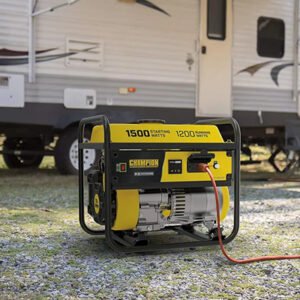
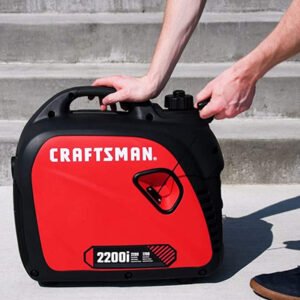
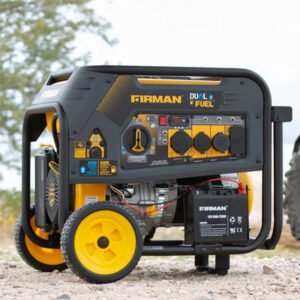
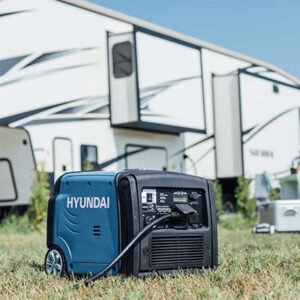


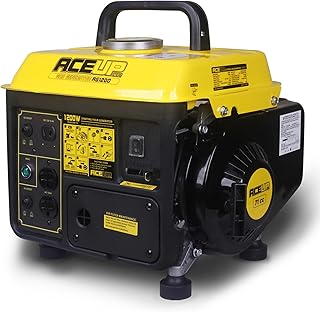

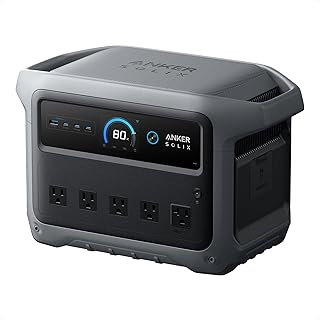


Choosing one of the best generators in Canada requires more than comparing advertised wattage. Canadian buyers may need a generator for winter power outages, emergency backup, camping, RV use, construction work, remote properties, or occasional outdoor projects. Each application has different power requirements, fuel considerations, portability needs, and operating expectations.
A suitable generator should match the electrical load you actually need to run. It should also suit the environment where it will be used, the type of fuel you can store, the amount of noise you can tolerate, and the level of maintenance you are prepared to perform.
This guide focuses on the factors that matter when comparing generators available to Canadian consumers in 2026. Instead of relying only on headline wattage, consider starting power, continuous output, fuel consumption, runtime, voltage, outlets, portability, noise, cold-weather operation, safety features, and intended use.
A meaningful generator comparison should consider more than ratings or popularity. Specifications can vary between models, engine configurations, revisions, and regional versions. Always check the current manufacturer's specification sheet before purchasing.
One of the first decisions is whether you need a conventional portable generator or an inverter generator. Both can provide useful backup power, but their characteristics can differ substantially.
Traditional portable generators are often considered when higher power output is more important than compact size or low noise. They can be useful for demanding tools, jobsite applications, emergency backup, and equipment with substantial starting loads.
When comparing these generators, pay close attention to continuous output rather than focusing solely on the maximum surge figure. A generator that can briefly produce a high starting wattage may still be unsuitable if your continuous electrical demand is close to or above its rated running capacity.
Inverter generators are commonly considered for camping, recreational use, sensitive electronics, and situations where portability and lower operating noise are important. Their electrical output is produced through an electronic conversion process rather than being supplied directly from the alternator in the same way as a conventional generator.
Many inverter generators can also adjust engine speed according to electrical demand. This can make them attractive for lighter loads and situations where extended operation at low demand is expected.
There is no universally best generator type. A contractor running demanding power tools may prioritize output and rugged portability, while a camper may place greater importance on weight and sound levels. A homeowner preparing for outages may need to prioritize a combination of output, runtime, fuel flexibility, and connection options.
Wattage is one of the most important specifications when choosing a generator. However, the number printed prominently on a product page does not always tell the complete story.
Running watts represent the power the generator is designed to provide continuously under its rated conditions. Starting watts, sometimes called surge watts, describe the additional temporary power available for equipment that requires a larger initial electrical load.
Motors and compressors can demand significantly more power when they start. This can include refrigerators, freezers, pumps, air compressors, well pumps, and certain power tools.
Begin by listing the appliances, tools, or devices you expect to operate at the same time. Find their wattage requirements in the manufacturer's documentation or on their identification labels.
Add the continuous wattage requirements of the equipment that may operate simultaneously. Then consider the starting requirements of motor-driven equipment. Do not assume that every appliance will start successfully simply because its running wattage appears below the generator's capacity.
For larger installations, a qualified electrician can help determine the appropriate generator capacity and connection method.
The correct generator size depends on the equipment you need to power. The following categories are useful as general planning concepts rather than fixed product recommendations.
Lower-output generators can make sense for limited electrical loads, small recreational setups, lighting, chargers, selected electronics, and other modest requirements. Their advantages can include easier transport and simpler storage.
Mid-range portable generators may suit users who need to operate several household devices or a combination of tools. They can offer a practical balance between output, portability, fuel consumption, and cost.
Higher-output units are more appropriate when several demanding loads must operate together. They can be useful for emergency backup scenarios, larger tools, workshops, and equipment with substantial starting requirements.
More output generally means greater weight, fuel consumption, and physical handling requirements. Bigger is therefore not automatically better.
Fuel choice can influence the generator's practicality just as much as its electrical output.
Gasoline is widely used for portable generators and can be convenient when rapid refuelling is important. However, gasoline requires appropriate storage and careful fuel management. Stored gasoline can degrade over time, particularly when storage conditions and fuel-stabilization procedures are neglected.
Propane can be attractive for users who already maintain suitable propane cylinders or tanks. It can also provide an alternative to storing gasoline for occasional emergency use.
Performance can vary with operating conditions and generator design, so compare the manufacturer's published output and runtime information for propane rather than assuming gasoline and propane operation will provide identical performance.
Dual-fuel generators provide greater fuel flexibility by supporting two fuel types, commonly gasoline and propane. This can be useful during prolonged outages when one fuel source becomes less convenient to obtain.
The additional flexibility can be valuable, but it may also increase system complexity. Compare the output, runtime, starting behaviour, fuel consumption, and controls for each fuel mode before deciding.
A generator's maximum runtime figure should not be treated as a universal number. Runtime depends on fuel capacity, electrical load, engine behaviour, ambient conditions, and the selected fuel.
For emergency use, compare runtime at a clearly stated load. A generator that operates for many hours at a light load may run for substantially less time when powering several appliances.
Also consider how frequently you are comfortable refuelling. For overnight or extended outage situations, fuel capacity and efficient operation can have a significant effect on convenience.
Noise matters particularly for residential areas, campsites, cabins, RVs, and neighbourhoods where prolonged generator operation may disturb others.
Manufacturers may publish sound measurements under particular test conditions. Because testing conditions can differ, avoid comparing numbers without checking how each measurement was obtained.
Inverter generators are often considered when reduced noise is a priority, but individual models can differ. Check the published specifications for the exact model rather than assuming that every inverter generator will be quiet.
Portability is easy to underestimate when comparing generators online. A generator may appear manageable in a specification list but become difficult to move once fuel and accessories are included.
Check the dry weight, operating weight where available, wheel configuration, handle design, frame construction, and lifting points. If one person must move the generator regularly, these details may matter as much as electrical output.
Large portable generators are often easier to reposition when equipped with appropriate wheels and a well-designed handle system. However, wheels do not eliminate the need to consider stairs, uneven ground, narrow entrances, or storage locations.
Smaller inverter generators are easier to transport and store. Their compact dimensions can be especially useful for recreational applications, although compact size normally needs to be considered alongside available electrical capacity.
Do not purchase a generator solely because its wattage appears sufficient. Inspect the available receptacles and electrical ratings.
Different generators may provide different combinations of household-style outlets, higher-amperage connections, locking receptacles, DC connections, or other ports. The appropriate configuration depends on the equipment you intend to power.
If the generator is intended to supply selected household circuits, do not improvise the connection. A transfer switch or other approved connection method may be required depending on the installation and local requirements. A qualified electrician should handle permanent electrical connections.
A portable generator and a permanently installed standby generator serve different purposes.
A portable generator can provide flexible power for outages, outdoor work, recreation, and other applications. It can be moved and stored when not required.
A standby generator is designed as a more permanent backup solution and is typically connected to the home's electrical system through an appropriate installation. It may automatically start when utility power fails, depending on the system.
Homeowners should determine whether they need portable emergency power or a permanent backup system before comparing products. A portable generator is not automatically a substitute for a professionally installed standby system.
Canadian winters make environmental conditions an important part of generator selection. Cold temperatures can affect starting, battery performance on applicable models, oil viscosity, fuel behaviour, and general engine operation.
Read the manufacturer's operating temperature guidance and starting procedures before using a generator in freezing conditions. Use the recommended oil specification for the expected temperature range, and follow the manufacturer's instructions rather than improvising cold-weather modifications.
Snow and ice can also obstruct ventilation or create unsafe operating conditions. Keep the generator in an appropriate location with adequate airflow and protection from precipitation as specified by the manufacturer.
Carbon monoxide is one of the most serious hazards associated with portable fuel-burning generators. Never operate a gasoline or propane generator inside a home, garage, basement, shed, tent, vehicle, or other enclosed or partially enclosed space.
Opening a door or window does not make an indoor generator safe. Carbon monoxide can accumulate quickly and may not be detected by smell.
Operate fuel-burning generators outdoors and follow the manufacturer's required clearance and ventilation instructions. Keep exhaust directed away from buildings, doors, windows, and other openings.
Do not connect a portable generator to a household wall outlet using an improvised cable. This can create dangerous electrical conditions and can expose utility workers to energized lines.
For home backup, use an appropriate transfer switch or other professionally installed connection method. Consult a qualified electrician about the correct setup for the home's electrical system.
Fuel should be handled according to the manufacturer's safety instructions. Refuelling a hot engine can create a fire hazard. Turn the generator off and allow it to cool as directed before adding fuel.
Emergency generators are often used only occasionally, making storage one of the most important ownership considerations. A generator that has been left unused for a long period may require preparation before it is needed.
Follow the manufacturer's instructions for draining or stabilizing fuel, changing oil, inspecting the air filter, checking the spark plug, and protecting the unit during storage.
Store fuel only in suitable approved containers and in accordance with applicable local safety requirements. Keep fuel away from ignition sources and areas that are not appropriate for fuel storage.
Camping and RV applications often prioritize portability, manageable noise, efficient operation, and sufficient electrical capacity rather than maximum output.
Make a list of the devices you actually use. Consider refrigerators, lighting, chargers, televisions, cooking equipment, heating or cooling systems, and other loads. Some RV appliances can have substantial starting requirements, so calculate both continuous and startup demand.
For recreational environments, generator size should be balanced against transport requirements. A very large generator may provide more power than necessary while adding unnecessary weight and fuel consumption.
Jobsite applications place different demands on a generator. Power tools can have significant startup loads, while multiple tools may be used intermittently throughout the day.
When comparing generators for construction work, consider continuous output, surge capacity, receptacle configuration, durability, portability, runtime, and protection from the working environment.
Tools such as circular saws, grinders, compressors, pumps, and larger saws can place different demands on a generator. Check the electrical requirements of each tool rather than estimating from the tool's physical size.
Emergency backup requires careful prioritization. You may not need to power every appliance in the house. Instead, identify essential loads such as refrigeration, lighting, communications equipment, selected heating equipment, sump pumps, or medical and other critical equipment where appropriate.
List the devices that need to remain operational, calculate their loads, and determine which may run simultaneously. This approach can prevent you from buying a generator that is unnecessarily large or one that cannot handle your actual requirements.
Portable generators are often more practical when the goal is to power selected essential equipment. Whole-home backup requires substantially more planning because heating, air conditioning, electric water heating, cooking equipment, and other high-demand appliances can quickly increase the required capacity.
When researching generators in Canada, buyers may encounter established brands such as Honda, Generac, Champion, Westinghouse, Firman, DuroMax, EcoFlow, and Jackery. Brand familiarity can be useful as a starting point, but it should not replace model-level research.
Compare the exact generator's specifications, intended use, fuel type, rated output, outlet configuration, noise information, maintenance requirements, documentation, and applicable Canadian requirements. Two generators from the same manufacturer can be designed for very different applications.
The highest number on the packaging is not necessarily the most useful specification. Continuous output and startup capacity should both be considered.
Motors and compressors can require significantly more power during startup. Ignoring these loads can result in an undersized generator.
An oversized generator can add weight, fuel consumption, cost, and storage requirements without providing meaningful benefits if your electrical demand is modest.
Consider where fuel will be obtained, how it will be stored, and how long it may remain in storage. Fuel flexibility can be especially useful for emergency preparedness.
A generator that is acceptable at a construction site may be inconvenient at a campsite or near a home. Always consider the operating environment.
A generator can have sufficient wattage but still be inconvenient if it lacks the appropriate electrical connections for your equipment.
Portable generators contain engines and electrical systems that require appropriate maintenance. An emergency generator should not be treated as a maintenance-free appliance.
Home electrical connections require appropriate procedures and equipment. Never use an improvised backfeeding method.
When two models appear similar, compare them line by line rather than relying on marketing language.
Inverter technology is designed to produce a stable electrical output through an electronic conversion process. This can make inverter generators attractive for electronics and other applications where a clean and consistent power supply is desirable.
However, the presence of inverter technology does not mean that every model is automatically suitable for every electronic device. Always follow the equipment manufacturer's requirements and the generator manufacturer's instructions.
Some compatible inverter generators can be connected together using approved parallel equipment to increase available power. This can offer flexibility when a single compact generator is sufficient for light loads but additional capacity is occasionally required.
Parallel operation is model-specific. Do not connect generators together unless the manufacturer explicitly supports the configuration and provides instructions or compatible equipment.
Generators can use recoil starting, electric starting, or a combination of methods depending on the model.
A recoil starter is mechanically simple and does not depend on a starter battery. Electric start can make operation easier, particularly on larger generators, but introduces additional components that require attention.
If electric start is important, check how the starting system is powered and how the battery should be maintained during long periods of storage.
Regular maintenance improves the likelihood that a generator will be ready when needed. Follow the maintenance schedule provided for the exact model.
Before placing an order, verify the exact model number and review the manufacturer's current documentation. Product names can be similar, while electrical specifications and included accessories may differ.
The best approach is to work backward from your actual electrical requirements. Start with essential equipment instead of selecting a generator based on a desired wattage number.
For example, a homeowner preparing for an outage may decide that refrigeration, lighting, internet equipment, and selected heating equipment are priorities. A contractor may instead prioritize several high-demand tools. A camper may need only refrigeration, lighting, charging, and a few recreational appliances.
Once the required loads are identified, compare their continuous demand and startup requirements against the generator's specifications. Leave appropriate capacity rather than operating continuously at the edge of the generator's rated output.
Features are most useful when they solve a real operating problem. Depending on the application, buyers may find the following worth comparing:
Do not pay extra for features that do not improve your particular use case. A simple generator can be the better choice when simplicity, portability, and occasional use are the main priorities.
Choose portable equipment when flexibility and mobility are important. Consider a professionally installed standby system when you need permanent, automatic whole-home or larger-scale backup.
There is no single correct wattage. Calculate the continuous and starting requirements of the equipment you intend to operate together.
It can be useful if you value fuel flexibility or want more than one refuelling option during an extended outage. Compare the output and runtime for each fuel mode.
They can be preferable for applications where portability, reduced noise, and inverter technology are priorities. Conventional generators may be more appropriate when higher output or jobsite-oriented use takes precedence.
No. Fuel-burning portable generators must be operated outdoors in accordance with the manufacturer's safety instructions and with adequate clearance from buildings and openings.
No. Improvised backfeeding can create severe electrical hazards. Use an appropriate professionally installed transfer arrangement when connecting generator power to household circuits.
Start with your intended use rather than a specific brand. Write down the equipment you need to power, identify its running and starting requirements, and determine whether those loads must operate simultaneously.
Next, decide whether portability, low noise, fuel flexibility, runtime, or maximum output is the most important factor. Then narrow your choices by checking electrical connections, dimensions, maintenance requirements, environmental operating guidance, and safety features.
Finally, compare the exact model numbers across reputable Canadian retailers. Check current specifications, verified customer feedback, availability, and today's pricing before making a purchase. Product specifications and retail conditions can change during the year.
The best generator in Canada is not necessarily the most powerful or the most expensive model. It is the generator whose output, fuel system, portability, runtime, noise level, electrical connections, and operating characteristics match the job.
For emergency preparedness, prioritize dependable capacity and safe operation. For camping, portability and noise may matter more. For construction, output, durability, receptacles, and handling can become more important. For RV use, carefully calculate appliance startup loads and available electrical capacity.
Before buying, verify the current specifications for the exact model and compare independent customer feedback with manufacturer documentation. A careful comparison can help you avoid paying for unnecessary capacity while reducing the risk of choosing a generator that cannot handle your essential loads.
The best choice depends on which household circuits you want to operate. Calculate the loads for essential appliances first, then select a generator with suitable running and starting capacity. For larger home backup requirements, consult a qualified electrician about the appropriate generator and transfer equipment.
The answer depends on the intended application. A compact inverter model may be appropriate for recreational use, while a higher-output conventional portable generator may better suit demanding tools or emergency loads.
Many generators are designed to operate in a range of outdoor conditions, but cold temperatures can affect starting and engine operation. Always follow the exact manufacturer's temperature, oil, starting, and storage guidance for your model.
Gasoline can be convenient for portable use, while propane may appeal to buyers who prefer its storage characteristics or already use propane equipment. Dual-fuel models provide an additional option when fuel flexibility is important.
Runtime varies by model, fuel capacity, fuel type, engine design, and electrical load. Always compare published runtime figures at a stated load instead of relying on a maximum runtime claim without context.
Many generators can power refrigerators if their running and startup requirements fall within the generator's capabilities. Refrigerator compressors can require additional starting power, so both running and surge requirements should be considered.
It depends on the furnace's electrical requirements and the generator's available capacity. Determine the electrical specifications of the heating system before selecting the generator.
Generator operation during winter weather requires particular attention to ventilation, exhaust clearance, snow accumulation, moisture, and the manufacturer's operating instructions. Never allow snow or other material to block the exhaust or ventilation openings.
RV requirements vary considerably. Calculate the combined running load of appliances and account for high startup loads from equipment such as air-conditioning systems. The generator should be selected based on the actual electrical requirements of the RV.
They can be worth considering when low noise, compact size, portability, and inverter technology are important. Whether the additional cost is justified depends on your application and how frequently the generator will be used.
Look for recurring comments about starting, portability, noise, fuel consumption, controls, maintenance access, outlet usability, and long-term ownership. Customer reviews should supplement rather than replace the manufacturer's specifications.
Not necessarily. Excess capacity can increase weight, fuel consumption, and cost. Select enough capacity for your expected continuous and startup loads while allowing sensible operating headroom.
Comparing the best generators in Canada for 2026 is ultimately an exercise in matching capacity and design to your real-world needs. Focus on running watts, startup capacity, fuel flexibility, runtime, noise, portability, outlet configuration, safety, maintenance, and operating conditions instead of choosing solely from a headline specification.
Whether your priority is emergency preparedness, camping, RV travel, construction, workshop use, or backup electricity, careful specification checking will make the buying decision more straightforward. Compare exact models, read verified customer feedback, review manufacturer documentation, and check current Canadian pricing before committing to a generator.