
♥ Wishlist
We analyzed 58 of the most popular Hyundai Generators available in ca. Compare features, customer reviews, ratings, and expert recommendations to help you choose the best option in 2026.






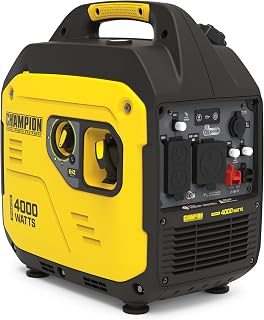


Choosing a Hyundai generator in Canada requires more than comparing the highest wattage on the specification sheet. The right model depends on what you need to power, how long you expect it to run, where you will use it, how portable it needs to be, and whether clean inverter power is important for sensitive electronics.
Hyundai Power's Canadian range includes compact inverter generators, RV-oriented models, open-frame inverter generators and larger portable units. Current models listed by Hyundai Power Canada include options such as the HY2000Si, HY2200P, HY2200RV, HY3500P, HY3800RV, HY4500RVi, HY4800, HY8500EFI and larger HG-series generators. Because model availability and specifications can change, always verify the exact model number and current specifications before purchasing.
A useful generator comparison should look beyond advertised peak output. Two generators with similar maximum wattage can serve very different purposes because of their running output, starting capability, fuel capacity, noise level, portability and outlet configuration.
The following models represent different generator categories rather than a claim that one unit is universally better than every other option. Your ideal choice should match your actual electrical load and intended use.
The HY2000Si is aimed at buyers who prioritize portability and relatively quiet operation. Hyundai Power Canada lists a 2,200-watt peak output and 1,700-watt running output, with an 80cc engine and a 44-pound assembled weight. It is also specified as an inverter generator producing pure sine-wave power.
This type of generator makes sense for lighter applications such as camping, smaller recreational setups, portable electronics and selected household equipment. The relatively low running wattage means it should not be treated as a whole-home backup generator. Before using it with appliances, calculate their running and starting requirements.
Its compact format is one of its strongest advantages. If you regularly load a generator into a vehicle or move it around a property, a lighter machine can be considerably easier to live with than a high-output open-frame model.
The HY2200P belongs to Hyundai's compact inverter-generator range. It is worth considering when you want a small portable generator but do not need the larger output of a heavy-duty unit.
When comparing this model with the HY2000Si, pay close attention to the exact running wattage, noise specification, fuel capacity, starting method and included safety features for the particular version being offered. Model names can look similar while their intended applications differ.
The HY2200RV is designed around portable and recreational applications. RV buyers should pay particular attention to the generator's continuous output rather than focusing only on the headline peak wattage.
Before choosing a generator for an RV, list every device you may use simultaneously. Consider air conditioning, refrigerators, microwave ovens, battery chargers, televisions, lighting and other equipment. Starting demand can be especially important when an air-conditioner compressor is involved.
The HY3500P moves into a higher output category and is listed with 3,500 watts of peak power and 3,000 watts of running power. Hyundai specifies a 212cc engine and a 120-volt electrical system for this model.
This extra capacity can make it more practical for demanding recreational use, job-site tasks and backup applications where a compact 2,000-watt-class generator is insufficient. Hyundai also lists EcoMode and noise-reduction technology for the model.
Its approximately 96-pound assembled weight illustrates an important buying principle: increasing generator capacity usually comes with a portability trade-off. If you rarely move the machine, that may be acceptable. If you carry it frequently, a smaller inverter generator can be more convenient.
The HY3800RV is another option for buyers who need more capacity in an RV-oriented format. When comparing RV generators, examine the electrical connection, running wattage, starting capability, noise characteristics and physical dimensions rather than choosing solely by model name.
For recreational use, generator placement is also important. Never operate a gasoline generator inside an RV, garage, basement or other enclosed area. Exhaust gases can contain carbon monoxide, an invisible and potentially fatal hazard.
The HY4500RVi is a higher-capacity recreational inverter generator. Hyundai lists 4,500 watts of peak output and 3,700 watts of running output, together with remote start, EcoMode and a digital fuel gauge.
The additional running capacity can be useful when several moderate loads must operate at the same time. The remote-start feature can also be convenient when the generator is installed in a suitable outdoor position and the operating instructions permit remote starting.
RV owners should still verify the actual starting requirements of their air conditioner and other high-demand appliances. A generator's maximum output does not guarantee that every combination of loads will start successfully.
The HY4800 is positioned differently from compact recreational inverter generators. Hyundai describes it as an open-frame inverter generator intended for professional and home backup applications. The published specifications include 4,800 peak watts and 3,600 running watts.
The open-frame design and heavier-duty construction can be attractive for workshop and job-site use. However, buyers should consider its physical size and noise characteristics before choosing it for quiet camping environments.
The model also illustrates why generator shopping should not rely on wattage alone. A generator can offer substantial electrical capacity while still being a poor fit if its weight, dimensions or operating environment do not match your needs.
The HY8500EFI is designed for buyers who need substantially more power. Hyundai lists 8,500 watts of surge output and 6,800 watts of running output from a 420cc engine. The model uses electronic fuel injection and has a 120/240-volt configuration.
Electronic fuel injection can be an attractive feature for buyers who want modern engine-management technology. The generator also uses EcoMode to adjust engine operation according to electrical demand.
At this capacity, the machine is significantly heavier than compact portable generators. Hyundai lists an assembled weight of approximately 194 pounds. Wheels and a folding handle therefore become important practical features rather than minor conveniences.
The HG6250E is part of Hyundai's conventional portable generator range and is listed by Hyundai Power Canada at 6,250 watts. The electric-start configuration can appeal to users who prefer push-button starting rather than relying exclusively on a recoil mechanism.
Large portable generators are worth considering for emergency backup, workshops, cabins and demanding outdoor applications. Before purchase, verify the exact continuous output, voltage configuration, receptacles, fuel capacity and safety equipment for the current version.
The HG12000E is intended for substantially higher power requirements. Hyundai Power Canada lists it as a 12,000-watt gasoline portable generator with electric start.
A generator at this level should be selected based on a carefully calculated electrical load. It may be unnecessary for someone who only needs to operate lights, a refrigerator and small electronics. Conversely, a small inverter generator may be inadequate for a property with multiple high-demand appliances.
High-output generators also require more planning around fuel storage, transportation, ventilation, electrical connections and safe operation. If your objective is home backup, consult a qualified electrician about the appropriate connection method rather than attempting to improvise a connection to household wiring.
One of the most important decisions is whether you actually need an inverter generator. Conventional generators can be excellent choices when maximum output and heavy-duty operation are more important than compactness or refined power delivery.
Inverter generators convert the engine's generated electricity through an electronic inverter system. This allows the generator to regulate its output and can provide stable electrical power for compatible electronic equipment. Many inverter models also vary engine speed according to load.
For camping, RV travel and electronics-heavy applications, inverter technology can be particularly attractive. For construction work or demanding backup loads, a conventional portable generator may offer better value depending on the required capacity.
Start by making a list of everything you expect to operate. Separate the equipment into running loads and appliances that have significant starting requirements.
Add the running wattages of the equipment that may operate simultaneously. Then account for starting demand. Do not assume that the wattage printed on one appliance represents every operating condition.
Generator specifications commonly list two power figures. Running watts describe the power a generator can continuously provide. Starting or surge watts describe the temporary additional capacity available for equipment that requires extra power during startup.
This distinction matters because electric motors can draw significantly more current while starting. Refrigerators, pumps, compressors and air conditioners are common examples.
A generator with a high peak rating but insufficient continuous output can still be a poor choice. For most buying decisions, establish the continuous load first and then confirm that the generator has enough surge capacity for the largest starting load.
Inverter generators are often chosen because they can produce clean, regulated electrical power. This can be beneficial for electronics such as computers, televisions, networking equipment and other sensitive devices.
However, the phrase "pure sine wave" should not replace proper specification checking. Look at the manufacturer's electrical specifications and operating instructions for the exact generator you are considering.
If you intend to operate sensitive equipment during a power outage, using appropriate surge protection and following the equipment manufacturer's instructions remains sensible.
Many Hyundai portable generators in Canada use unleaded gasoline. Fuel choice affects convenience, storage requirements, operating cost and long-term maintenance.
Gasoline can degrade during extended storage. For emergency preparedness, follow the generator and fuel-container manufacturers' instructions regarding storage, fuel treatment and safe handling. Keep fuel away from ignition sources and store it only in approved containers and in accordance with applicable local requirements.
Do not store gasoline beside a running generator. Refuelling should be performed only after the generator has been shut down and allowed to cool according to the manufacturer's instructions.
EcoMode is designed to reduce unnecessary engine speed when the electrical load is low. Instead of maintaining a higher engine speed continuously, the generator can adjust operation as demand changes.
This can potentially reduce fuel consumption and noise during lighter loads. The exact results depend on the generator, ambient conditions, load profile and operating practices, so buyers should not assume a fixed runtime simply from the presence of EcoMode.
Noise can determine whether a generator is comfortable to use or becomes a nuisance. This is especially important in campgrounds, residential neighbourhoods, cottages and recreational areas.
Check the manufacturer's published noise rating and understand the test conditions behind the number. A generator's perceived sound can vary with distance, load, surrounding surfaces and operating conditions.
Compact inverter generators are often attractive for quiet recreational applications. Open-frame and high-output generators may be better suited to work areas where maximum power is the priority.
Generator portability is not simply about whether wheels are included. Consider the total weight, handle design, wheel diameter, lifting points and the surfaces over which you will move the machine.
A 40- to 50-pound generator may be manageable for many users. A generator approaching 100 pounds requires more planning. Very high-output units can exceed 150 pounds and should be moved using their intended wheels and handles rather than improvised lifting methods.
Recoil starting is mechanically simple and does not depend on a starter battery in the same way as electric starting. Electric start, however, can be more convenient for larger generators or users who do not want to repeatedly pull a starter cord.
Some models combine electric and recoil starting. When evaluating an electric-start generator, remember that the battery itself becomes another component that requires appropriate maintenance.
Remote starting can be convenient, particularly for RV applications. The Hyundai HY4500RVi, for example, is listed with remote-start capability.
Convenience should never override safe placement. A remote-start generator still needs to operate outdoors in an appropriate location with sufficient clearance and ventilation. Remote operation does not make an enclosed location safe.
Small portable generators commonly focus on 120-volt loads. Larger models may offer both 120-volt and 240-volt output.
If you are considering a generator for a home backup application, determine which circuits or appliances you actually need to support. Some larger household equipment may require 240 volts. A qualified electrician can determine the appropriate generator connection and transfer equipment.
Generator safety should be treated as a fundamental buying consideration rather than an afterthought.
Carbon monoxide is one of the most serious risks associated with gasoline generators. The gas is colourless and odourless, so relying on smell is not a safe detection method.
Never use a generator indoors or in a partially enclosed area. Outdoor placement should also account for wind direction and nearby openings. Follow the manufacturer's safety distances and Canadian safety guidance.
Where applicable, consider generators equipped with carbon-monoxide detection or automatic shutoff systems. These features are additional safeguards, not permission to operate a generator in an unsafe location.
Canadian winters introduce additional considerations. Low temperatures can make engines harder to start and can affect batteries, lubricants and fuel systems.
Follow the exact starting and storage procedures in the owner's manual. Do not improvise modifications to make a generator operate in extreme weather. Keep the unit protected from precipitation while maintaining the ventilation required for safe operation.
If emergency power is the primary reason for your purchase, test the generator periodically before winter arrives. A generator that has never been started since purchase is not a dependable emergency plan.
Routine maintenance can help preserve performance and identify problems before an emergency occurs. The correct intervals always depend on the model and its owner's manual.
A large peak number can look impressive, but continuous output determines how much equipment can remain powered. Always compare running wattage first.
Refrigerators, pumps and air conditioners can create substantial startup demand. If you ignore this requirement, a generator may overload even when the calculated running wattage appears acceptable.
A very large generator is not automatically the best choice. Extra capacity can mean more weight, higher fuel consumption, greater storage requirements and more difficult transportation.
The opposite mistake is equally common. A small generator may be excellent for camping but unsuitable for a home's critical loads. Determine your actual requirements before choosing the smallest available option.
Electrical capacity is only useful if the generator provides the connections required by your equipment. Check receptacle types, amperage and voltage before purchase.
A generator that is suitable for a construction site may not be appropriate for a quiet campground. Compare noise specifications with your intended environment.
Canadian inventory changes. A model shown in an older review may be unavailable, discontinued or replaced by another version. Check the exact model number and current retailer listing before purchasing.
If you are deciding between two Hyundai models, compare them in a consistent order.
A compact inverter generator is generally the most practical category for camping because portability, noise and fuel efficiency matter more than maximum output. The HY2000Si is an example of the compact inverter format.
RV users should focus on running wattage, air-conditioner startup requirements, RV-compatible connections, noise and portability. Models such as the HY2200RV, HY3800RV and HY4500RVi illustrate different capacity levels within the recreational category.
For construction and workshop use, prioritize continuous output, durable construction, suitable receptacles, portability and protection against demanding work environments. An open-frame inverter model such as the HY4800 may be more appropriate than a lightweight camping generator.
Home backup requirements vary significantly. A smaller unit may support a refrigerator, lighting, internet equipment and selected essential appliances. Larger models are necessary when multiple high-load appliances must operate together.
For fixed household circuits, involve a qualified electrician and use an approved transfer arrangement. Never backfeed a home electrical system through a standard receptacle.
When the electrical demand is substantial, larger models such as the HY8500EFI or HG-series portable generators may be worth considering. The correct choice depends on the calculated load, voltage requirements and installation method.
Hyundai offers a broad range of generator formats, which is useful because Canadian users have very different requirements. A lightweight inverter generator can serve recreational users, while larger portable and inverter models can address workshop or backup-power applications.
The more important question is whether the specific Hyundai model matches your use case. Brand reputation alone should not determine a generator purchase. Compare the exact specifications, operating environment, safety features, maintenance requirements and current customer feedback for the model you are considering.
Customer reviews can provide useful information about usability, packaging, starting behaviour and long-term ownership. However, reviews should be interpreted in context.
Look for repeated observations rather than relying on one unusually positive or negative comment. A reviewer using a 2,000-watt generator for camping has a different perspective from someone using a 10,000-watt generator for home backup.
Also separate product-specific feedback from retailer experience. Shipping damage, delivery delays and packaging issues may not accurately represent the generator's operating performance.
There is no single best Hyundai generator for every Canadian buyer. A compact model such as the HY2000Si may suit lightweight recreational use, while larger models such as the HY4800, HY8500EFI or HG-series generators are better suited to higher electrical demands.
RV buyers should compare models according to air-conditioner starting demand, continuous wattage, electrical connections, noise and portability. The HY2200RV, HY3800RV and HY4500RVi are examples of Hyundai models aimed at recreational applications.
Not universally. Inverter generators can offer advantages such as regulated electrical output, variable engine speed and quieter operation. Conventional generators can be attractive when maximum output, straightforward design and heavy-duty use are the priorities.
Some larger Hyundai portable generators can provide enough power for selected household loads. They should not automatically be considered whole-home solutions. Determine the required circuits and have a qualified electrician install an appropriate transfer arrangement where needed.
No. Gasoline generators should never be operated inside a garage or another enclosed or partially enclosed space because of carbon-monoxide risk.
Runtime depends on the exact model, fuel capacity, engine, operating conditions and electrical load. Published runtime figures may be measured at a particular percentage of rated load, so they should not be treated as a universal runtime for every situation.
Hyundai's inverter-generator range includes models specified with inverter technology and, for some products, pure sine-wave output. Always verify the exact specifications for the model you are buying and follow the electronics manufacturer's requirements.
Fuel flexibility can be useful, but do not assume that every Hyundai generator supports propane or another secondary fuel. Check the exact model specifications. If fuel flexibility is a priority, compare models specifically on approved fuel types, output differences between fuels and operating instructions.
No. A larger generator may provide more capacity but can also be heavier, more expensive to operate and harder to transport. The best generator is normally the one that provides adequate capacity without unnecessary excess.
The best Hyundai generator for your needs is determined by the job it must perform, not simply by its position on a list. Start with the electrical load, identify starting requirements and decide whether portability, quiet operation, inverter technology, remote starting or high-output capability matters most.
For lightweight recreational use, compact Hyundai inverter generators can be attractive. RV owners should prioritize usable continuous capacity and compatibility with their appliances. For workshops and job sites, rugged construction and appropriate electrical capacity become more important. For emergency home power, load planning and safe electrical connection are essential.
Before purchasing, compare the exact model number, current specifications, verified customer feedback and current retailer information. Product availability, pricing and model lineups can change during 2026, so an older recommendation should never replace checking the current listing.
Most importantly, treat generator safety as part of the buying decision. Correct outdoor placement, carbon-monoxide awareness, proper electrical connections, safe fuel handling and regular maintenance are essential regardless of which Hyundai model you choose.