

♥ Wishlist





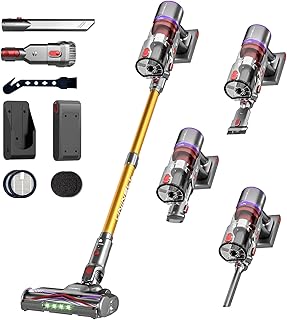


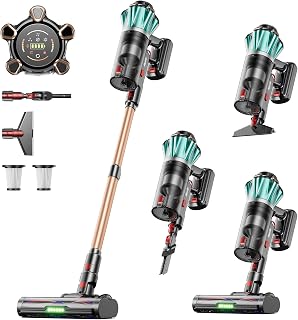


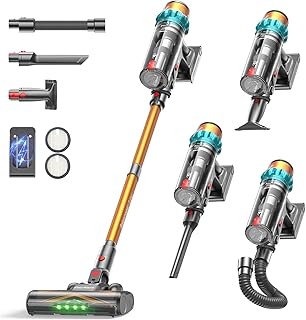


A DeWalt cordless vacuum cleaner can make cleanup much easier when you are working away from a wall outlet. Whether you need to collect sawdust after cutting timber, remove debris from a renovation site, clean a vehicle or tidy a garage, a battery-powered vacuum gives you the freedom to move around without managing a power cord. For Canadian homeowners, tradespeople and DIY users, the right cordless vacuum can be a useful addition to an existing collection of battery-powered equipment.
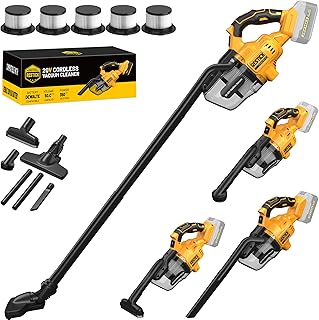
When shopping this category, it is important to distinguish between a genuine DeWalt vacuum or dust extractor and third-party products designed to work with DeWalt batteries. The available selection can include both types. Some products are branded DeWalt, while compatible models may offer a tool-only configuration that uses an existing DeWalt 18V or 20V battery. Always check the individual product listing for exact battery compatibility, included accessories and whether the battery and charger are supplied.
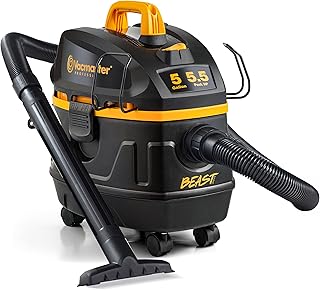
Different jobs call for different vacuum formats. A compact handheld vacuum can be convenient for vehicles, workbenches, furniture and quick spot cleaning. A larger cordless shop vacuum is better suited to garages, workshops and construction environments where you need greater debris capacity and a hose with multiple attachments. Wet and dry models can provide additional versatility when the product is specifically designed for both types of material.
For professional dust management, a dedicated DeWalt dust extractor can be a more appropriate choice than a general household vacuum. The DeWalt FLEXVOLT 60V MAX dust extractor, for example, is positioned for demanding jobsite applications. A dust extractor can be particularly useful when connected to compatible power tools to help manage dust generated during cutting, drilling, sanding or other work.
Battery compatibility should be one of the first things you check. If you already own DeWalt batteries, a tool-only vacuum may help you avoid buying another battery and charger. However, voltage and platform compatibility vary by product, so confirm the manufacturer's stated requirements before purchasing.
Suction specifications can help indicate how a vacuum is intended to perform, but they should not be considered in isolation. Look at the complete product design, motor, airflow, filtration system, hose configuration and intended application. A compact handheld unit may be ideal for light debris even when its specifications differ substantially from those of a workshop vacuum.
Vacuum capacity affects how frequently you need to empty the collection container. Larger capacities can be useful for extended workshop or renovation jobs, while smaller units are generally easier to carry and store. Consider where you will use the vacuum most often and whether you prioritise maximum capacity or easy transport.
Filtration matters when collecting fine dust and debris. Look for the filter type specified for the particular vacuum and consider whether filters are washable, replaceable or designed for a particular application. For work involving fine dust, choose equipment specifically intended for that type of material and follow the manufacturer's safety and maintenance instructions.
The main advantage is mobility. Without a mains cable, you can move between rooms, vehicles, workshops and outdoor work areas more easily. Cordless operation can also reduce setup time because there is no extension lead to position. If you already use a compatible DeWalt battery platform, a tool-only vacuum can make sense as part of a larger cordless system.
Canadian shoppers should also consider the environment in which the vacuum will be used. Cold weather, jobsite conditions and storage temperatures can affect battery performance and equipment operation. Store batteries and tools according to the manufacturer's recommendations, and check the product documentation for operating and charging guidance.
Start by identifying the type of debris you normally collect and the locations where you will use the vacuum. For quick cleanup, a handheld model may be sufficient. For workshops and garages, consider a higher-capacity shop vacuum. If your main objective is power-tool dust collection, compare dedicated dust extractors and their connection options. Then review battery requirements, filtration, capacity, runtime, accessories, dimensions and warranty information.
It is also worth comparing whether a product is sold as a bare tool or as a complete kit. A bare-tool vacuum can be a cost-effective option when you already own compatible batteries and a charger. A kit may be more convenient for new users who need the complete operating setup. Product availability, pricing and configurations can change, so check the current retailer listing before ordering.
Use this category to compare cordless vacuum options available to Canadian shoppers and narrow your selection according to your cleaning requirements. From compact battery-powered handheld vacuums to larger shop vacuums and professional dust extraction equipment, the right choice depends on your application, battery platform, required capacity and preferred level of portability. Check each product's specifications carefully so you can choose a vacuum that matches your tools, workspace and cleaning routine.
Find the right DeWalt cordless vacuum cleaner for cleaning workshops, vehicles, renovation sites, garages and everyday messes. This category brings together battery-powered vacuum options, including DeWalt dust extraction equipment and compatible cordless vacuums designed around DeWalt battery platforms. Compare practical features such as suction performance, capacity, filtration, portability, wet and dry capability, runtime and included accessories before choosing the model that fits your work.