

♥ Wishlist
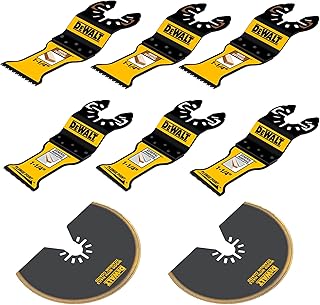


DeWalt cordless jigsaws are designed for jobs where controlled, versatile cutting matters more than simply moving through material as quickly as possible. Unlike saws intended primarily for long straight cuts or aggressive demolition, a jigsaw uses a narrow reciprocating blade that can follow curves, create internal openings and produce shaped cuts in suitable materials. For Canadian homeowners, renovators, woodworkers and professionals, cordless operation adds mobility when working in garages, workshops, renovation areas, job sites or outdoor locations where a power cable can be inconvenient.
A DeWalt cordless jigsaw can be particularly useful when portability and battery-platform convenience are priorities. If you already use compatible DeWalt cordless tools, adding a jigsaw to the same battery ecosystem can simplify charging and battery management. A cordless design also eliminates the need to route a power cable around the workpiece, which can make certain cutting tasks more convenient.
The most suitable model depends on your actual work. A DIY user cutting plywood, laminate or timber for occasional projects may prioritise manageable weight and easy controls. A professional carpenter or renovator may place greater emphasis on cutting performance, ergonomics, battery logistics, visibility and long-term workflow efficiency. Instead of choosing solely by advertised power, compare the complete combination of features and specifications.
Battery compatibility should be one of the first things to check. Some DeWalt cordless jigsaws are sold as bare tools, while other configurations may include batteries and chargers. A tool-only model can be economical if you already have the correct compatible battery and charger. If you are new to the platform, compare the complete cost of the jigsaw, battery and charger rather than looking only at the tool price.
Battery capacity also affects handling. Higher-capacity batteries can provide more operating time, but they may add weight to the tool. For detailed cuts or extended use, balance and overall handling can be just as important as maximum runtime. Canadian users should also remember that battery performance can vary with temperature. Follow the manufacturer's instructions for operating and storing battery-powered equipment in cold conditions.
Cutting capacity is an important specification, but it should be matched to the material you actually expect to cut. Check the stated wood-cutting capacity and, where relevant, metal-cutting capability. Blade choice, material density, cutting speed and technique can all influence practical results, so maximum advertised capacity should not be treated as the only measure of performance.
Variable-speed control is another useful feature. Different materials and cutting situations can benefit from different blade speeds. Slower operation may offer greater control for certain applications, while faster settings can be useful for suitable wood-cutting work. Many jigsaws also offer orbital or pendulum action, which changes the blade movement and can make cutting more aggressive. Lower settings may be preferable when surface finish and control are more important.
The blade has a major effect on cutting speed, finish and blade life. Wood-cutting blades are available in different tooth configurations for rough or cleaner cuts, while metal-cutting blades generally use finer teeth and are designed for specific materials. Plastic, laminate and specialist applications may also require purpose-designed blades.
Check the blade interface before buying. T-shank blades are widely used with modern jigsaws, but compatibility should always be confirmed for the specific tool. Also check whether the package includes blades. If replacement blades need to be purchased separately, consider how readily suitable blades are available in Canada.
Useful features can include tool-free blade changes, an adjustable shoe, bevel adjustment, an LED work light and dust-management provisions. Tool-free blade changes can make switching between materials or replacing worn blades faster. An adjustable shoe can allow controlled bevel cuts for applications such as carpentry, trim work and other angled cutting tasks.
Cut-line visibility is equally important. An integrated light or an open design around the blade can make it easier to follow a marked line, particularly in workshops or renovation areas where lighting is not ideal. Dust extraction can also help maintain a cleaner work area when cutting wood indoors, although effectiveness depends on the particular tool and extraction setup.
For DIY users, a versatile model with variable speed, orbital adjustment, comfortable handling and straightforward blade changes can cover a wide range of household and workshop projects. If you mainly cut thin sheet goods or make occasional shaped cuts, buying the highest-capacity model may provide little practical benefit.
Professional users should evaluate ergonomics, cutting performance, battery compatibility, control layout and workflow efficiency more closely. When a jigsaw is used frequently, a well-balanced design and convenient blade changes can save time throughout the working day. Multiple compatible batteries can also reduce interruptions during extended work.
A jigsaw complements rather than completely replaces other saw types. A circular saw is generally more suitable for long, straight cuts through appropriate sheet goods and timber. A jigsaw is better suited to curves, cut-outs and shaped work. A reciprocating saw is typically more appropriate for aggressive cutting and demolition-oriented applications, while a jigsaw provides greater control for many detailed woodworking tasks.
Before buying, consider the work you perform most often. If your projects involve curved templates, internal openings, cabinetry, trim or shaped cuts, a cordless jigsaw can be a particularly useful addition to a cordless workshop. If your primary requirement is fast demolition or long straight cuts, another saw category may be a better fit.
Online product configurations can vary, so review the complete listing before purchasing. Confirm the exact model, battery platform, included battery and charger, blade selection, cutting capacities, weight and available features. Check current pricing and availability rather than relying on older advertised prices, and read verified customer feedback with your intended application in mind.
Ultimately, the best DeWalt cordless jigsaw is not necessarily the model with the longest feature list or highest headline specification. The right choice is the one that combines the cutting capacity, battery compatibility, control, ergonomics, blade flexibility and portability required for your projects. Compare the available options carefully, then choose the configuration that fits the way you actually work.
Find the right DeWalt cordless jigsaw for woodworking, renovation, DIY and professional cutting projects in Canada. Compare cordless models by battery platform, cutting capacity, variable-speed control, orbital action, blade compatibility, ergonomics and included accessories before choosing the tool that fits your work. Whether you already own compatible DeWalt batteries or are building a new cordless setup, this category makes it easier to compare your options and shop with confidence.