

♥ Wishlist




Ridgid cordless bandsaws are designed for users who need portable, controlled cutting without being tied to a power outlet. For Canadian contractors, tradespeople, maintenance professionals, fabricators and DIY users, a cordless band saw can be especially useful when material must be cut directly at the job site. Instead of moving pipe, conduit or metal stock to a stationary machine, you can bring the saw to the workpiece.
Current Ridgid 18V band saw options include compact designs aimed at portability and job-site convenience. For example, Ridgid's 18V Compact Band Saw provides a 2-1/2-inch cutting capacity, variable blade-speed control and a lightweight ergonomic design. Ridgid also offers a SubCompact Brushless one-handed band saw with a 2-1/2-inch capacity, making compact handling and overhead work important considerations for buyers. Specifications and package contents can vary by model and retailer, so check the individual listing before ordering.
Cutting capacity should be one of the first specifications you compare. Think about the largest pipe, conduit, rod or other stock you normally cut and select a saw that provides adequate capacity. Buying based solely on a model's compact size or advertised power can result in a tool that does not comfortably handle your typical workpieces.
Variable-speed operation can make a cordless bandsaw more versatile. Different materials and applications may require different cutting approaches, so controlled speed can be more useful than simply choosing the model with the highest maximum speed. Feed pressure, blade condition and tooth configuration also influence cutting performance.
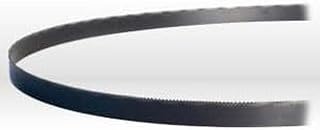
Replacement blades are an important part of cordless bandsaw ownership. Confirm the correct blade length, width, thickness and tooth configuration for the specific Ridgid model. Blades should be selected according to the material and thickness being cut rather than simply choosing any blade that appears physically similar.
Ridgid 18V cordless tools can be particularly convenient for buyers who already own compatible batteries and chargers. A tool-only bandsaw may reduce unnecessary duplication if you already have the required battery system. First-time buyers should calculate the complete cost of the saw, battery and charger rather than comparing the bare-tool price alone. Always verify compatibility using the current manufacturer specifications.
Portability is one of the biggest reasons to choose a cordless bandsaw. A lighter, well-balanced tool can be easier to carry around a construction site and more comfortable during repeated or overhead cuts. Handle position, grip design, trigger control and overall balance can make a meaningful difference during extended use.
Portable bandsaws are commonly used for cutting metal pipe, conduit, threaded rod, strut, angle iron and other suitable stock. They can also be useful for installation, fabrication and maintenance work where bringing a stationary cutting machine to the material is impractical. The exact materials a particular model can cut depend on its specifications and the blade installed.
For electricians and contractors, cordless operation can simplify work in unfinished buildings and other areas where power access is limited. For maintenance and fabrication users, a compact band saw can provide a practical solution for controlled cuts while reducing the need to transport bulky material.
The primary advantage of a cordless bandsaw is mobility. Without a power cable, users can move around a work site more freely and avoid extension-cord management. This can be particularly useful for field service, installation and construction applications.
A corded bandsaw may still be preferable for high-volume stationary workshop cutting where mains power is readily available. For Canadian shoppers, the better format depends on where the tool will be used, how frequently it will operate and whether cordless battery equipment is already part of the user's tool collection.
Start by identifying the materials and dimensions you cut most often. Next, compare the required cutting capacity, blade specifications and available speed control. Then consider weight, ergonomics, battery compatibility and whether the package includes a battery and charger. Replacement-blade availability and total ownership cost should also be included in the comparison.
Do not assume that the largest or fastest bandsaw is automatically the best choice. A compact model can be more practical for users who value portability, while professionals performing frequent cuts may prioritise capacity, battery logistics and long-term handling comfort. Comparing the exact specifications of equivalent models is more useful than choosing based on brand reputation or voltage alone.
Canadian buyers should pay attention to the exact product configuration available from the retailer. Tool-only and kit versions can differ substantially in included batteries, chargers and accessories. Product availability, pricing and package contents can also change, so verify current information before completing a purchase.
Whether you need a portable band saw for construction, electrical work, plumbing, fabrication, maintenance or serious DIY projects, the best Ridgid cordless bandsaw is the one that matches your actual workload. Prioritise cutting capacity, compatible blades, battery requirements and comfortable handling, then compare the complete package and current retailer information before choosing.
Find the right Ridgid cordless bandsaw for portable cutting, fabrication, construction and workshop projects in Canada. Ridgid cordless band saws combine the convenience of battery power with controlled cutting for applications such as conduit, pipe, threaded rod, angle iron, strut and other compatible materials. When comparing models, look beyond voltage and price: cutting capacity, blade speed, blade compatibility, weight, ergonomics, battery requirements and kit contents can all affect which saw is the better fit for your work.