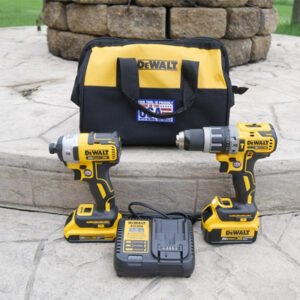
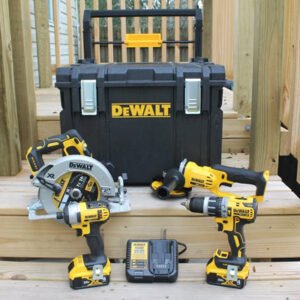


Explore cordless power tools, kits, batteries, chargers, accessories and related equipment available to Canadian shoppers. Compare product options and follow useful buying guides before you buy.


A cordless tool kit is more than a collection of individual power tools. The value of a kit depends on the battery platform, included tools, motor technology, ergonomics, charger, battery capacity, case or storage system, and the type of work you expect to perform. For Canadian buyers, climate and seasonal working conditions can also influence battery performance, outdoor usability, and the practicality of a particular platform.
When comparing cordless kits, look beyond the number of tools printed on the box. A kit containing several tools can be less useful than a smaller combination built around better batteries and the tools you actually need. Established platforms from brands such as DeWalt, Milwaukee, Makita, Bosch, Ryobi, Metabo HPT and Ridgid offer different approaches to power, portability, compatibility and price.
The ideal contents depend on whether the kit is intended for home maintenance, renovation, woodworking, construction, automotive work, landscaping or general DIY projects. A practical starter combination often includes a drill/driver and impact driver, while more comprehensive kits may add a reciprocating saw, circular saw, oscillating multi-tool, work light, grinder or other specialty equipment.
The battery ecosystem should be one of the first things you investigate before buying a cordless kit. Once you own several compatible batteries and chargers, adding another bare tool from the same platform can be considerably more convenient than starting a second battery system.
Compatibility is not universal simply because tools carry the same voltage label. Batteries are designed for particular platforms, generations and electrical systems. Before purchasing additional tools, verify that the battery and charger combination is specifically supported by the manufacturer.
Voltage labels can be confusing because manufacturers do not all describe their battery systems in exactly the same way. Marketing terminology should therefore not be used as the sole method of determining which kit is more powerful. Compare the manufacturer's specifications, intended application, motor design, battery configuration and tool class instead.
Battery capacity is commonly expressed in amp-hours, or Ah. In general terms, a higher-capacity battery can provide more stored energy, although actual runtime depends heavily on the tool, workload, material, operating conditions and battery design.
A compact battery may be preferable on a drill or impact driver when reduced weight and maneuverability matter. A higher-capacity pack can make more sense for demanding saws, grinders and other tools that draw substantial power. The best kit therefore may not be the one containing the largest batteries; it is the one that provides battery options appropriate for the tools you will use.
Motor technology is an important distinction when comparing cordless kits. Brushless motors use electronic control rather than conventional brushes and commutators. Many modern professional-oriented cordless platforms emphasize brushless designs because they can provide efficient operation, compact packaging and useful electronic control features.
Brushed tools can still be perfectly suitable for occasional household work. They can also be attractive when the lower purchase cost matters more than maximum efficiency or advanced features. For frequent renovation, construction or demanding DIY use, however, a brushless kit is often worth investigating closely.
Homeowners generally benefit from versatility rather than maximum output. A drill/driver, impact driver, compact saw and work light can cover a broad range of household jobs. For occasional projects, a compact battery system can also be easier to handle and store.
Consider the types of tasks you actually perform: assembling furniture, installing shelves, repairing fences, hanging cabinets, drilling into appropriate materials, maintaining a garage or completing small renovation projects. Buying a large construction-oriented kit solely because it contains more tools can result in paying for equipment that rarely leaves the storage bag.
Renovation work often benefits from a wider combination of tools. A drill/driver and impact driver form a useful foundation, while a circular saw, reciprocating saw and oscillating multi-tool can cover many cutting and demolition requirements.
For renovation projects, also consider dust management, work lighting, battery availability and tool ergonomics. Projects that last several days can expose weaknesses in battery capacity or charging arrangements that may not be apparent during a short household task.
Woodworkers should pay particular attention to control, cutting accuracy, speed adjustment, ergonomics and compatibility with appropriate blades and accessories. A quality drill/driver, impact driver and circular saw may be more useful than a kit filled with unrelated tools.
If precision matters, evaluate the saw's adjustment mechanisms, visibility of the cutting line, base construction and ease of making bevel or depth adjustments. For drilling and fastening, clutch control and variable-speed operation can be more important than headline power figures.
Professional users typically place greater emphasis on durability, battery availability, tool selection and compatibility across a complete platform. A construction-oriented kit should be assessed as the beginning of a system rather than as a one-time purchase.
Consider whether the platform includes the specialty tools you may eventually require. Depending on the trade, that could include grinders, rotary hammers, compact saws, impact wrenches, lights, vacuums, nailers or other equipment. A platform with a broad compatible range can reduce the need to maintain several different battery ecosystems.
Torque can help indicate fastening capability, but published torque figures should not be interpreted as a complete measure of tool quality. Actual performance depends on gearing, motor control, battery condition, fastener type, material and operating mode.
For a drill/driver, look at the combination of torque settings, speed ranges, chuck design and overall control. For an impact driver, fastening performance, impact mechanism, speed control and electronic modes can all matter.
Variable-speed control is useful because different materials and accessories require different operating speeds. A tool intended for drilling, fastening or cutting should be used according to the manufacturer's specified speed and accessory requirements.
For general drilling applications, the chuck determines which compatible drill bits and accessories can be securely held. Common cordless drills use keyless chucks, allowing accessories to be changed without a separate chuck key. Compare the chuck size and manufacturer's specifications with the work you expect to perform.
Weight becomes increasingly important during overhead work, repetitive fastening and long projects. Remember that the published tool weight may not represent the complete operating weight. A battery can add substantial weight, particularly when using a higher-capacity pack.
Good balance can be just as important as low weight. A slightly heavier tool that feels well balanced may be easier to control than a lighter design with an awkward centre of gravity.
Integrated LED lights can make a meaningful difference in poorly illuminated work areas. Look at the location and number of LEDs rather than simply checking whether an LED is present. Shadowing can occur when the light is positioned behind or beneath the working area.
Modern cordless tools can include electronic systems designed to manage temperature, overload, battery communication and other operating conditions. The exact functions vary by platform and model, so buyers should consult manufacturer specifications rather than assuming that all tools within a voltage class offer identical protection.
Canadian users should consider seasonal conditions when choosing cordless equipment, especially if tools will regularly be used in unheated garages, workshops, outdoor construction areas or during cold weather.
Lithium-ion batteries can behave differently at low temperatures. Cold conditions may reduce available performance and charging a battery outside the manufacturer's permitted temperature range may be inappropriate. Always follow the battery manufacturer's instructions for storage, charging and operating temperatures.
For winter projects, practical planning can include keeping batteries within the recommended temperature range before use and ensuring that spare batteries are stored according to manufacturer guidance. Do not assume that a larger battery will eliminate cold-weather performance limitations.
A cordless kit becomes much more practical when battery capacity matches the workload. A single battery may be sufficient for occasional DIY jobs, while frequent users may benefit from having multiple compatible packs available.
Do not evaluate a kit solely by battery count. Charger capability affects how quickly the system can return batteries to service. If you expect continuous work, compare the included charger with the capacity of the supplied batteries and investigate whether the platform offers faster charging options.
A kit with several batteries but a slow or basic charging arrangement may behave very differently during a full day's work than a kit designed around faster charging and multiple packs.
Storage is a practical consideration that is frequently ignored during the buying process. A large multi-tool kit can become difficult to manage if batteries, chargers, accessories and tools are stored separately.
Consider whether the supplied bag or case accommodates the tools comfortably and whether you expect to expand the platform. Some manufacturers offer modular storage ecosystems, while others use conventional soft bags. Neither approach is automatically better; the important question is whether the storage system suits your workspace and transport needs.
A common buying mistake is selecting the kit with the highest advertised tool count. A kit containing eight tools is not automatically better value than one containing five.
Ask yourself how often you are likely to use every included tool. If several tools are rarely useful for your projects, the additional batteries, charger capacity and storage space may be more valuable when allocated to tools you use regularly.
Professional and consumer-oriented kits can overlap significantly in features, making the distinction less straightforward than a simple price comparison. Professional-grade platforms often emphasize durability, performance under frequent use, battery ecosystems and specialized tools. DIY-focused kits may prioritize accessibility, compact design and value for occasional projects.
For a homeowner who uses tools several times a year, a professional platform may provide capabilities that are never fully utilized. Conversely, someone completing frequent renovations may quickly outgrow a basic kit.
Brand selection should be based on the complete ecosystem rather than brand recognition alone. DeWalt, Milwaukee, Makita, Bosch, Ryobi, Metabo HPT and Ridgid all have cordless product families with different combinations of tools and platform characteristics.
When comparing brands, investigate the specific battery family rather than assuming that every cordless product from the same manufacturer shares one battery system. Check current compatibility information before purchasing additional batteries or bare tools.
DeWalt is widely associated with cordless tools aimed at demanding DIY, construction and professional applications. Buyers comparing DeWalt kits should examine the specific battery family, brushless configuration, included capacities and the tools available for future expansion.
Milwaukee offers several cordless tool families spanning compact equipment through heavier-duty professional applications. Its platform approach makes ecosystem compatibility an important consideration when comparing a Milwaukee kit with competing systems.
Makita has a broad cordless range covering general power tools and numerous specialty categories. Buyers should pay particular attention to platform compatibility, battery capacity, ergonomics and the specific tool selection available within the battery family being considered.
Bosch cordless equipment can be relevant for users who value compact designs, ergonomics and a broad range of power-tool applications. As with every brand, confirm battery compatibility at the individual product level.
Ryobi is particularly relevant to homeowners and DIY users looking for a broad ecosystem that extends beyond traditional power tools. Buyers should compare the exact kit contents, battery sizes and intended applications instead of judging value by tool count alone.
Metabo HPT provides cordless options across several tool categories, making it worth considering when comparing professional-oriented platforms. Examine the exact battery system and included tools when evaluating a kit.
Ridgid cordless tools can be another option for buyers building a broader collection. As with competing systems, platform compatibility, kit contents, battery configuration and current manufacturer terms should be checked before purchase.
Value should be calculated from the tools and accessories you will actually use, not simply the retail value claimed for individual components. A useful comparison considers the complete package: tools, batteries, charger, storage, compatibility and future expansion.
For example, a lower-priced kit can be attractive if it includes two tools you urgently need and batteries suitable for both. A more expensive kit may be the better long-term choice if its platform offers specialty tools you expect to purchase later.
The initial kit price is only one part of the long-term cost. Check how much additional batteries, chargers and bare tools typically cost through the retailers available to you. A platform that appears inexpensive initially can become less attractive if your planned additions require substantial additional investment.
Voltage is not a complete performance specification. Compare motor technology, tool design, battery capacity, speed, torque, ergonomics and intended application.
A kit may appear attractive because it contains several tools, but undersized batteries can limit how effectively high-demand tools can be used. Check exactly which batteries are included and their capacities.
More tools can sound like better value but may lead to unused equipment. Prioritize tools that solve your current problems and then choose a platform that allows sensible expansion.
Owning multiple platforms is not necessarily wrong, but it means maintaining separate batteries and chargers. If you expect to build a large collection, consolidating around one or two well-chosen ecosystems may simplify storage and charging.
Specifications cannot fully describe how comfortable a tool is during repetitive work. Grip shape, balance, trigger placement, switch accessibility and battery position can all affect usability.
Two kits using the same tool platform may contain different battery capacities. Read the complete contents list rather than assuming that the battery shown in promotional photography is included.
If you already own compatible batteries, a bare-tool purchase may be more economical than buying another kit containing duplicate chargers and batteries. Verify compatibility before making that decision.
When two kits look similar, use a consistent comparison process instead of focusing on a single headline specification.
A cordless tool is only as useful as the accessories compatible with it. Drill bits, driver bits, saw blades, sanding accessories, grinder discs and other consumables can significantly influence the final cost of ownership.
Before choosing a kit, identify which accessories your projects require and whether they are readily available in the sizes and types appropriate for your tools. Do not use an accessory simply because it physically fits; follow the manufacturer's compatibility, speed and safety requirements.
Cordless operation removes the inconvenience of a power cord, but it does not remove the need for proper safety practices. Eye protection, appropriate hearing protection, suitable work clothing and correct accessories are important depending on the task.
Read the operating instructions for each tool before use. Use guards where provided, secure workpieces appropriately, select accessories rated for the application and inspect batteries and tools for visible damage.
Battery packs should be stored, transported and charged according to manufacturer instructions. Do not use a battery that appears damaged, swollen, leaking or otherwise compromised. Keep batteries away from conditions that exceed the manufacturer's specified storage or operating limits.
Dust and debris can accumulate around ventilation openings, switches, moving components and other areas. Clean tools according to manufacturer recommendations and avoid methods that can force debris deeper into the mechanism.
Check battery housings and contacts for visible damage or contamination. Store batteries according to the manufacturer's instructions rather than leaving them exposed to extreme temperatures or unsuitable environments.
Dull or unsuitable accessories can increase workload and reduce cutting or drilling efficiency. Replace consumables when appropriate and use accessories designed for the intended material and tool.
Inspect chargers and power cords for damage. Keep charging equipment in a clean, dry location and follow the manufacturer's charging instructions.
You do not necessarily need to purchase every tool at once. A strategic platform can allow the collection to grow as projects demand.
Customer reviews can provide useful information, but they should be treated as one source of evidence rather than a substitute for technical specifications. Look for recurring observations rather than isolated comments.
Reviews can be particularly helpful for identifying practical issues such as ergonomics, storage quality, battery convenience, balance and ease of use. For measurable characteristics such as battery capacity, tool weight, chuck size or included components, manufacturer specifications are generally more appropriate.
A compact two- or three-tool kit can be an excellent choice for a homeowner who mainly performs maintenance, assembly and occasional repair work. Smaller kits are easier to store, transport and keep organized.
A compact kit can also reduce unnecessary battery and charger duplication. If you later discover that you need another tool, purchasing a compatible bare tool may provide a more efficient way to expand.
A larger kit becomes more compelling when you already know that you will use most of the included equipment. Renovation projects, workshop builds and professional work can justify having several compatible tools immediately available.
For larger kits, evaluate battery allocation carefully. High-demand tools such as saws and grinders can benefit from larger-capacity packs, while compact tools may be more comfortable with lighter batteries.
Cordless tools provide mobility and eliminate the need to manage an extension cord at the workpiece. They can be especially convenient for outdoor repairs, unfinished construction areas and locations without convenient electrical outlets.
Corded tools, however, can remain practical for stationary workshop applications or tasks involving prolonged operation. The absence of battery runtime limitations can be useful for certain demanding applications. A mixed collection can therefore make sense for serious DIY users and workshop owners.
There is no single best kit for every Canadian buyer. The right choice depends on the tools you need, the type of work you perform, battery requirements, budget and whether you plan to expand the platform. A homeowner may prioritize compactness and versatility, while a professional may prioritize durability, high-capacity batteries and platform depth.
They can be excellent value when the included tools match your actual requirements. Kits can simplify battery compatibility and provide multiple tools around one charging ecosystem. However, buying a kit containing tools you will rarely use is not necessarily economical.
Brushless technology offers advantages that can make it attractive for frequent or demanding use, including efficient operation and sophisticated electronic control. A brushed tool can still be suitable for occasional tasks, so the decision should consider workload, price, ergonomics and expected service life.
There is no universal number. Occasional users may be comfortable with one or two batteries, while frequent users can benefit from several packs. The appropriate quantity depends on tool power requirements, charging speed and how continuously the tools will be used.
No. A higher-capacity battery can provide more stored energy, but it can also increase weight and size. Compact batteries can be preferable for drills and impact drivers when maneuverability matters, while higher-capacity packs can be useful for demanding saws and other high-draw tools.
Do not assume that batteries from different brands are interchangeable. Battery systems use platform-specific mechanical and electrical designs. Use only batteries and chargers approved for the particular tool and platform.
A kit is generally most attractive when you need several of the included tools. If you only need one tool, an individual bare tool or complete tool package may provide better value, particularly if you already own compatible batteries and a charger.
They can be used in cold conditions when the particular battery and tool are operated within the manufacturer's specified temperature limits. Cold temperatures can affect battery behaviour, so follow the manufacturer's instructions for operation, storage and charging.
Compare chuck size, speed ranges, torque settings, motor type, ergonomics, battery capacity, charger configuration and the compatibility of the battery platform with future tools.
Using a common battery platform can reduce the number of chargers and battery types you need to maintain. Once you have suitable batteries, additional compatible bare tools can also be convenient additions to the collection.
The best cordless kit in Canada is the one that creates a useful, compatible and expandable tool system around the work you actually perform. Instead of choosing solely by tool count, compare the battery ecosystem, included capacities, motor technology, ergonomics, charger, storage, accessory compatibility and long-term expansion potential.
For occasional household work, a compact kit can provide all the capability required without unnecessary equipment. DIY renovators may benefit from a broader combination containing cutting and multi-purpose tools, while professional users should place greater emphasis on platform depth, battery availability, durability and compatibility with specialized equipment.
Before purchasing, verify the exact kit contents and current specifications, compare current Canadian prices from trusted retailers, and review the manufacturer's latest information. This approach makes it easier to distinguish genuine long-term value from a kit that simply contains a large number of tools.