

♥ Wishlist
We analyzed 58 of the most popular Gloves for Work, Protection & Everyday Tasks in Canada available in ca. Compare features, customer reviews, ratings, and expert recommendations to help you choose the best option in 2026.





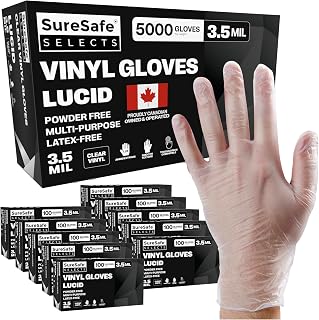


Choosing the best gloves in Canada depends on the work you plan to do, the weather conditions, the level of protection required, and how much dexterity you need. A glove designed for winter outdoor work is very different from one intended for woodworking, gardening, mechanical work, construction, or general DIY.
For Canadian buyers, temperature and seasonal conditions add another important consideration. Cold-weather gloves must provide warmth without becoming excessively bulky, while work gloves for summer should allow ventilation and reduce hand fatigue. If you use power tools, grip, abrasion resistance, flexibility and secure fit can be just as important as insulation.
This guide focuses on the characteristics that matter when comparing work gloves, utility gloves, winter gloves and task-specific hand protection in the Canadian market. Product specifications, sizing information and current customer feedback should always be checked before purchase because glove construction and availability can vary between models.
The right glove starts with the job rather than the brand. Think about the hazards your hands may encounter and the movements you need to perform. A glove that provides excellent protection but prevents you from comfortably holding a screwdriver may be a poor choice for precision work.
One of the most common buying mistakes is treating all gloves as interchangeable. Work gloves prioritize protection, grip and durability, while winter gloves usually prioritize thermal insulation and weather resistance. Some products combine both characteristics, but compromises can occur.
A heavily insulated glove may keep hands warm but make detailed tool work more difficult. Conversely, a thin work glove may provide excellent dexterity but offer insufficient warmth for prolonged outdoor use in Canadian winter conditions.
For cold-weather construction, property maintenance or outdoor projects, consider whether you need insulation, wind resistance, water resistance and sufficient grip together. For indoor workshops, a thinner glove may be more practical because excessive insulation can increase hand fatigue.
Leather has long been used for demanding work because it can offer a useful combination of durability, abrasion resistance and comfort. Leather work gloves can be particularly suitable for handling rough materials, timber and general outdoor tasks.
The type and thickness of leather matter. Thicker construction may provide greater protection but can reduce flexibility. Softer leather may offer better dexterity but may not be ideal for the most abrasive jobs.
Synthetic leather is common in modern work gloves because it can provide flexibility, consistent construction and easy-care characteristics. It is often combined with textile panels to improve movement and ventilation.
When comparing synthetic leather gloves, pay attention to palm construction, stitching, reinforcement and the areas most likely to experience wear.
Textile gloves can be lightweight and flexible. They are useful for general handling and tasks where maximum protection is not the primary requirement. Breathable fabric can also be more comfortable during warmer months.
Nitrile-coated gloves are popular for tasks requiring grip and handling control. The coating can improve contact with smooth or slightly oily surfaces, depending on the specific formulation and glove design.
Not every nitrile-coated glove provides the same level of performance. Examine coating coverage, thickness, flexibility and the manufacturer's stated intended applications.
Latex can provide strong grip and flexibility in suitable applications. However, individuals with latex sensitivities should consider alternative materials and review product information carefully.
Polyurethane-coated gloves are often designed for dexterity and handling precision. They can be useful for assembly, light maintenance and tasks where fingertip movement is important.
Not every glove should be considered protective equipment for every hazard. If your work involves cuts, punctures, heat, chemicals, impact, vibration or other specific risks, select gloves that are specifically designed and rated for that application.
Look for relevant manufacturer documentation and applicable standards rather than relying on marketing descriptions such as “heavy duty” or “professional grade.” The exact protection offered depends on the glove's construction, materials and certification.
Cut-resistant gloves are designed for tasks where sharp edges may present a hand injury risk. They can be useful in construction, fabrication, sheet-metal handling and certain workshop applications.
Cut resistance does not mean a glove is impossible to cut. Users should still follow safe handling procedures and select protection appropriate to the specific hazard.
Some work gloves incorporate protective material across the back of the hand and fingers. These designs can be useful when hands may encounter knocks or impacts during demanding work.
Temperature protection should be selected according to the working environment. Cold-weather gloves require appropriate insulation, while heat-resistant gloves need to be specifically designed for the relevant temperature and application.
Never assume that an insulated winter glove is suitable for high-temperature work. Thermal insulation and heat resistance are different characteristics.
A glove can be durable and comfortable yet still perform poorly if its grip is unsuitable for the task. Grip depends on the palm material, coating texture, surface condition and the object being handled.
For power-tool users, consistent grip can make it easier to maintain control without excessively squeezing the tool. This may also help reduce unnecessary hand fatigue during repetitive work.
Consider whether you regularly handle dry materials, wet objects, oily components, smooth metal, rough timber or irregular surfaces. Different palm treatments perform differently in these conditions.
Dexterity becomes increasingly important as tasks become more precise. If you frequently install screws, connect components, operate tool controls or handle small parts, a bulky glove may slow you down.
Look closely at fingertip construction and material flexibility. Pre-curved fingers can sometimes make a glove feel more natural during extended tool use, while flexible textile panels can improve movement.
For general DIY work, a balanced glove that combines moderate protection with good finger movement is often more versatile than an extremely thick design.
Correct sizing is essential. A glove should fit securely without restricting normal finger movement or creating uncomfortable pressure points.
Manufacturers can use different patterns and sizing systems, so a medium in one model may not feel identical to a medium in another.
Gardening gloves need to balance flexibility, protection and breathability. Digging, pruning, planting, carrying soil and handling rough garden materials can expose hands to dirt, abrasion, moisture and sharp edges.
For routine gardening, flexible gloves with reinforced palms and breathable backs can be practical. For pruning or handling thorny plants, look for designs that provide additional protection around vulnerable areas.
Gardeners working during wet conditions should also consider water resistance and whether the glove remains comfortable when damp. A completely waterproof glove may not always be the most breathable choice for extended use.
Construction and DIY applications cover a wide range of activities, so there is no universal glove that is ideal for every project. General-purpose gloves can be useful for material handling, while specialized designs are better when specific hazards are present.
For woodworking and general workshop tasks, prioritize grip, dexterity and abrasion resistance. For construction materials, durability and palm reinforcement may become more important.
If gloves are being used with drills, impact drivers, circular saws, grinders or other power tools, always follow the tool manufacturer's safety guidance. Gloves are not a substitute for safe operating practices, guards or other required protective equipment.
Automotive work can expose gloves to grease, oils, dirt, sharp edges and repetitive handling. Thin disposable gloves can be useful for some messy tasks, while reusable mechanic-style gloves may be more suitable for general maintenance and component handling.
When comparing mechanic gloves, examine palm reinforcement, fingertip construction, wrist closure and resistance to the substances encountered during your work. A close fit can also make it easier to manipulate small fasteners and components.
Woodworking gloves should be selected according to the specific operation. Material handling and rough-stock preparation can call for different protection from finishing, assembly or precision tasks.
Dexterity is particularly important when positioning components and handling small parts. At the same time, gloves should never interfere with safe operation of woodworking machinery. Follow the safety instructions for each machine and understand when gloves should not be worn around moving machinery.
Canadian winters can create challenging conditions for outdoor work. The best winter work gloves should provide an appropriate combination of insulation, wind protection, grip and flexibility.
Consider the duration of outdoor exposure rather than temperature alone. Short trips outside require different characteristics from several hours of continuous work. If your activity involves frequent transitions between indoor and outdoor environments, excessive insulation may become uncomfortable indoors.
Water resistance can also be important because snow and wet materials can quickly reduce comfort. However, water-resistant construction and fully waterproof construction are not necessarily the same, so check the manufacturer's specifications.
These terms should not be treated as interchangeable. Water-resistant materials can help repel moisture, while waterproof construction is intended to provide a higher level of protection against water penetration.
Seams, cuffs and closures can influence real-world weather protection. When outdoor use is a priority, examine the entire glove rather than focusing only on the outer fabric.
Warmth is valuable in winter, but breathability matters during physical work. Hands can become sweaty when gloves trap heat, particularly during strenuous activity.
Breathable fabric panels can help manage moisture in suitable conditions. For summer work, lightweight materials may be preferable to heavily insulated designs.
Comfort also depends on seam placement, cuff design and internal construction. A glove that feels comfortable for five minutes may not remain comfortable during several hours of repetitive work, so consider the intended duration of use.
The wrist area affects both fit and convenience. Elastic cuffs can provide a simple close fit, while hook-and-loop closures can allow more adjustment.
Longer cuffs can provide additional coverage when handling debris, snow or rough materials. Shorter cuffs may be easier to put on and remove, particularly when gloves are used frequently.
High-wear areas deserve particular attention when comparing durable gloves. The palm, thumb saddle and fingertips often experience significant friction during tool use and material handling.
Reinforcement can extend usable life, but additional material may also affect flexibility. The best construction depends on whether your priority is maximum durability or fine control.
Touchscreen-compatible fingertips can be convenient when you need to use a phone or tablet without removing your gloves. This feature is particularly useful outdoors when removing gloves would expose your hands to cold conditions.
However, touchscreen compatibility should be considered a convenience feature rather than a primary indicator of glove quality. Fit, protection, grip and durability remain more important for most work applications.
Brand reputation can help narrow a large selection, but it should not replace product-level comparison. Different manufacturers offer gloves for different applications, and a brand known for one type of protection may not necessarily have the ideal model for another task.
Always compare the specifications of the exact model rather than assuming that every glove from a particular brand has the same protection, materials or fit.
General-purpose gloves are convenient, but specialized work often requires specialized protection. A gardening glove is not automatically suitable for metal handling, and a winter glove should not automatically be used for high-risk mechanical work.
Heavy-looking gloves are not necessarily better. Construction quality, material selection, fit and intended use are more meaningful indicators.
Incorrect sizing can reduce dexterity and comfort. Always check the manufacturer's measurements when possible.
Price matters, but the cheapest option may not provide the durability or protection required for frequent use. Consider cost in relation to construction, intended workload and expected service life.
Incorrect washing, drying or chemical exposure can damage glove materials. Follow the manufacturer's care instructions to help maintain the glove's intended characteristics.
A simple comparison process can make the buying decision much easier. Start by identifying the work environment, then eliminate products that do not meet the basic requirements.
Customer reviews can reveal practical details that are not always obvious from specifications. Look for repeated comments about sizing, durability, warmth, grip, stitching and comfort rather than relying on a single review.
Pay particular attention to reviews from customers using the gloves for the same type of work you perform. A glove praised for gardening may not be appropriate for construction, and comments about winter performance may not apply to indoor workshop use.
Verified customer feedback can be useful when identifying recurring strengths and weaknesses, but specifications and manufacturer instructions should remain the foundation of a safety-related purchase.
Proper maintenance can help preserve glove performance. Cleaning requirements differ substantially between leather, synthetic, coated and insulated products.
There is no universal replacement interval because glove lifespan depends on frequency of use, workload, materials and exposure conditions. Instead, inspect the glove regularly.
Visible holes, severely worn palms, damaged seams, degraded coatings, stretched closures or other significant damage can indicate that replacement is appropriate. Protective gloves should not be judged solely by whether they remain wearable. The key question is whether they can still provide the intended level of protection and performance.
Spring work can involve changing temperatures and wet conditions. Lightweight gloves with reasonable moisture resistance and good grip can be versatile for gardening and outdoor maintenance.
Breathability and sweat management become more important during warm weather. Lightweight work gloves can improve comfort during prolonged tasks while still providing basic abrasion and grip characteristics.
Cooler temperatures may call for slightly warmer construction. Outdoor users should also consider rain, damp materials and reduced daylight conditions when selecting workwear.
Insulation, wind resistance and grip become key considerations. Choose gloves according to the expected exposure time and the precision required for the work.
Not necessarily. A premium glove can offer higher-quality materials, stronger construction or specialized protection, but those characteristics may not be necessary for every user.
The better approach is to match the glove to the workload. Spending more can make sense for frequent professional use, specialized protection or demanding environments. For occasional household tasks, a well-designed mid-range glove may provide everything required.
An effective general-purpose glove usually balances durability, grip, flexibility and comfort. It should be suitable for common handling tasks without becoming so bulky that normal hand movement becomes difficult.
If you perform several different types of DIY work, a versatile glove can be a practical starting point. However, keep specialized gloves available for tasks involving hazards that general-purpose models are not designed to address.
Gloves can provide useful protection during many tasks, but they do not make every tool operation safer. Always read and follow the manufacturer's instructions for the specific power tool.
The best gloves depend on the intended application. A mechanic, gardener, construction worker and winter outdoor worker may all require different designs. Compare protection, material, grip, fit, insulation and durability before choosing.
Look for gloves with appropriate insulation, weather protection and usable grip. The ideal level of insulation depends on the temperature, activity level and length of outdoor exposure.
Leather can be an excellent material for many demanding work applications because it can provide durability and abrasion resistance. The specific construction and thickness should be matched to the task.
Nitrile-coated gloves can be useful for many DIY and handling applications because they can combine grip with flexibility. Check the individual product specifications for the intended use and protection level.
Work gloves should fit securely while allowing comfortable finger movement. They should not create excessive pressure or leave enough looseness to interfere with tool control.
They can be worthwhile when you need specialized protection, frequent-use durability or particular materials. For occasional household work, a less expensive model may be sufficient if it meets the requirements of the task.
Some work gloves can be washed, while others require specific cleaning methods. Always follow the manufacturer's care instructions because washing can affect coatings, leather and insulation.
For general gardening, look for comfortable gloves with good flexibility, grip and abrasion resistance. For thorny plants or pruning, additional protection may be appropriate.
Mechanic-style gloves generally emphasize dexterity, grip and resistance to everyday workshop wear. Choose a model based on the specific automotive tasks and substances you handle.
Check the exact model, size chart, materials, intended application, protection ratings where applicable, care instructions and current customer feedback. Also confirm current price and availability from the retailer before completing a purchase.
The best gloves in Canada are not necessarily the thickest, most expensive or most heavily marketed. The right choice is the one that matches your work environment and provides the combination of protection, grip, dexterity, comfort and durability you actually need.
Before choosing from a 2026 shortlist, compare the exact specifications rather than relying only on brand recognition or star ratings. Consider seasonal conditions, particularly if the gloves will be used outdoors in Canada. For specialized hazards, prioritize appropriate protection standards and manufacturer guidance over general-purpose features.
Finally, treat customer reviews as supporting evidence rather than the sole basis for a decision. Comparing verified feedback with specifications, sizing information and intended-use guidance gives you a more reliable basis for choosing gloves that fit your particular work.