
♥ Wishlist
We analyzed 39 of the most popular Cordless Radios available in ca. Compare features, customer reviews, ratings, and expert recommendations to help you choose the best option in 2026.
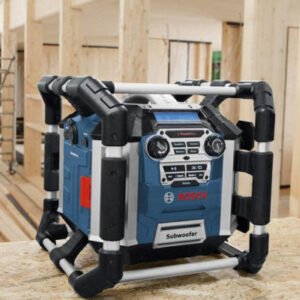
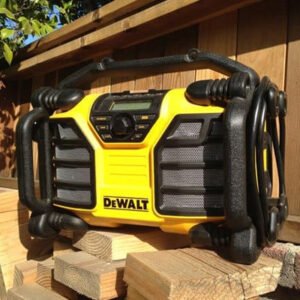
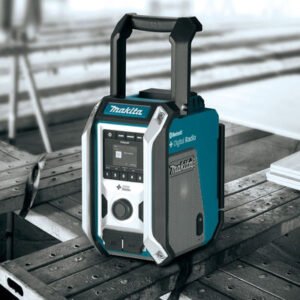
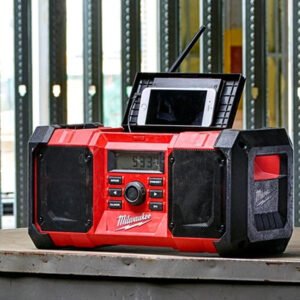
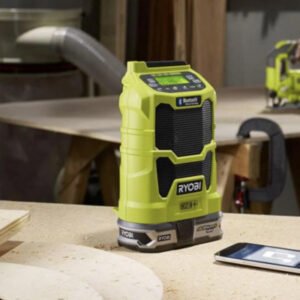
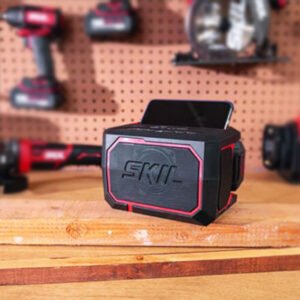

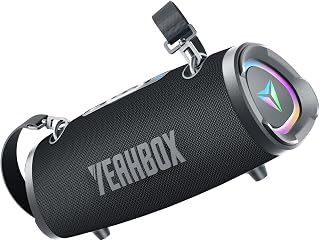


A cordless jobsite radio is more than a portable speaker. The best models are designed to operate around dust, vibration, rough handling, changing temperatures and busy work areas while giving you dependable access to radio broadcasts, Bluetooth audio or both. For Canadian buyers, the right choice also depends heavily on battery-platform compatibility, cold-weather use, portability and the availability of replacement batteries.
Before choosing a model, identify how you expect to use the radio. A contractor who already owns several batteries from one power-tool platform may benefit more from battery compatibility than from having the loudest speaker available. Someone using a radio in a garage or workshop may place greater value on AC operation, Bluetooth connectivity and sound quality. For outdoor construction, impact resistance, weather protection, antenna design and battery runtime can become more important.
Battery compatibility should usually be one of the first buying considerations. Many cordless radios are designed around a particular manufacturer's battery system, which means the radio itself may be relatively inexpensive compared with the batteries and charger required to operate it.
Do not assume that every battery from the same brand will fit every cordless radio. Battery interfaces, voltage ranges and physical designs can vary between generations and product families. Always compare the radio's stated battery requirements with the exact battery you already own.
If you already have several compatible tool batteries, a cordless radio can become a convenient addition to your existing workshop or jobsite setup. You may be able to rotate batteries between tools and the radio instead of maintaining a separate battery system.
However, there is a trade-off. Using a large high-capacity battery can increase runtime but may also make the radio heavier. A compact battery may make a portable radio easier to carry but may require more frequent replacement or charging. Buyers should therefore consider the radio, battery size and intended carrying distance as one system rather than judging the radio alone.
Battery runtime is affected by more than the battery's advertised capacity. Speaker volume, Bluetooth use, display settings, lighting, charging functions and the radio's internal electronics can all influence how long a battery lasts.
When comparing cordless radios, look for clearly stated runtime information and check the conditions under which that figure was measured. A runtime number without a specified battery capacity or usage condition is difficult to compare meaningfully with another product.
If the radio is primarily used inside a workshop, AC power can reduce the importance of battery runtime. If it will be carried between construction areas, used in unfinished buildings or taken outdoors, battery performance becomes much more important.
A radio that supports both mains power and a removable tool battery can be more versatile than a battery-only model. AC operation is particularly useful in garages, workshops, offices, campsites and other locations where an electrical outlet is readily available.
Dual-power capability can also preserve battery capacity. Rather than consuming a valuable tool battery when an outlet is nearby, you can use mains power and reserve the battery for situations where portability is actually required.
Bluetooth can make a jobsite radio considerably more flexible because you are not limited to conventional FM or AM broadcasts. A compatible phone or other device can provide podcasts, streaming music, saved playlists, audiobooks and other audio content.
Bluetooth specifications should still be considered carefully. A strong wireless connection is useful on a busy jobsite where the phone may be several metres away from the radio. Buyers should also consider whether the radio remembers previously paired devices and how easy it is to reconnect.
A very loud radio is not automatically a good radio. On a construction site, clarity can be more useful than sheer volume. Machinery, compressors, saws and other equipment can produce substantial background noise, so a radio needs enough output to remain intelligible without becoming unpleasantly distorted.
Speaker configuration affects how audio is distributed around the radio. A design intended to project sound in multiple directions can be useful when several people are working around the same area, while a more directional arrangement may suit an individual listener.
Consider whether the radio will sit on a workbench, floor, shelf, vehicle tailgate or scaffold platform. The best sound profile for one position may not be ideal for another.
Strong bass can make music sound fuller, but excessive low-frequency emphasis is not always beneficial in a noisy environment. Clear midrange reproduction can make voices, spoken instructions and podcasts easier to understand. Adjustable equalization is therefore a useful feature when available.
If traditional radio broadcasts are important to you, do not overlook the quality and practicality of the radio's tuner. FM reception can vary substantially depending on your location, building construction and surrounding terrain. A radio used inside a steel-framed building may behave differently from the same radio used outdoors.
Look at how the antenna is designed and protected. A protruding antenna can potentially be damaged when equipment is moved around a crowded work area. A foldable or protected design may be more practical for transportation.
A digital display can make station selection and presets easier, particularly when the radio is moved between locations. Physical controls can also be valuable because they are easier to operate with gloves or when the user does not want to handle a smartphone.
For a jobsite radio, usability should be judged in the environment where it will actually be used rather than solely by the appearance of the control panel.
Cordless radios intended for construction environments generally need to tolerate more abuse than ordinary portable home speakers. Dust, accidental impacts, vibration and rough transportation can all shorten the useful life of inadequately protected electronics.
Look for practical protective features such as reinforced corners, protective speaker grilles, guarded controls and a stable base. Rubberized areas can also help reduce sliding on smooth surfaces, although the exact construction varies by model.
This distinction is important. A product described as water-resistant or weather-resistant should not automatically be treated as waterproof. Water protection may cover limited exposure to rain or splashes without making the product suitable for immersion or prolonged exposure to heavy precipitation.
Canadian weather can change rapidly, particularly on outdoor jobsites. If a radio will remain outside for long periods, check the manufacturer's specific environmental protection information rather than relying on general phrases such as “rugged” or “all-weather.”
Cold temperatures deserve special attention when buying battery-powered equipment in Canada. Lithium-ion batteries generally perform differently in very cold conditions than they do at moderate indoor temperatures, and extremely cold storage or operation can affect available performance.
For winter construction, consider where the battery and radio will be stored when they are not being used. Keeping batteries exposed to severe cold for extended periods may not be ideal. Follow the battery manufacturer's storage and operating guidance, especially when moving batteries between a heated vehicle or building and a cold outdoor jobsite.
A radio that sounds excellent but is difficult to carry may become inconvenient on a mobile jobsite. Pay attention to the handle, overall dimensions, weight and battery position.
A well-positioned handle can make a surprisingly large difference when carrying the radio with other tools. Some designs are intended to remain stationary, while others are clearly built for frequent movement.
Published product weight may or may not include the battery. This can make two radios appear closer in weight than they actually feel during everyday use. When comparing models, consider the weight of the radio plus the battery you expect to use most often.
This is particularly important if the radio will be carried upstairs, between work areas or in and out of vehicles throughout the day.
Some cordless radios can do more than play audio. USB charging can allow a compatible radio to provide power to a phone or another small device, which may be useful when access to electrical outlets is limited.
However, USB charging also draws energy from the radio's power source. If maximum listening time is the priority, regularly charging a phone from the radio may reduce the time available for audio playback.
Instead of selecting a radio based solely on its review score, compare the specifications that matter to your particular use case. A product with a large number of positive customer reviews may still be a poor fit if it uses a battery platform you do not own or lacks the weather protection you require.
Battery-platform compatibility should be the first filter. If most of your tools already use one ecosystem, selecting a compatible radio can eliminate the need to purchase another battery family. DeWalt, Milwaukee, Makita, Bosch, Ryobi and other established tool manufacturers offer cordless products across broader battery ecosystems, but exact compatibility should always be confirmed for the specific radio.
A workshop radio can benefit from AC power, Bluetooth, strong sound quality and straightforward controls. Weather resistance may be less important than it is for outdoor construction, while the ability to remain plugged in for long periods can be more valuable.
Prioritize durability, weather protection, battery runtime, visibility of the display and easy-to-use controls. A radio used outdoors should also be easy to carry and stable on uneven surfaces.
Look for a compact design, strong carrying handle and protected controls. If the radio regularly travels in a work truck, consider how securely it can be stored and whether exposed components could be damaged by other tools and equipment.
If conventional radio is secondary to smartphone audio, focus on Bluetooth reliability, speaker performance, control simplicity and battery efficiency. A radio with excellent FM reception offers little advantage if your normal listening comes from a mobile device.
The initial price is only one part of the cost. If the radio requires a battery and charger you do not own, the total purchase cost can change significantly.
A runtime claim is difficult to interpret without knowing the battery capacity and operating conditions used to produce it. Compare like with like whenever possible.
Marketing terminology does not replace technical specifications. Check the actual water and dust protection information before exposing the radio to rain, snow or wet environments.
Maximum loudness does not tell you whether the radio sounds clear at normal listening levels. Audio balance, distortion and speaker placement can be just as important.
A large radio may be attractive for stationary use but inconvenient when carried throughout a workday. Always consider the radio with its normal battery attached.
Battery-platform radios are particularly attractive to existing tool users because the required battery may already be in their collection. New users should account for the battery and charger when comparing total ownership cost.
Bluetooth, AM/FM, USB playback and wired inputs are separate capabilities. Check exactly which sources are supported rather than assuming that a modern-looking radio includes every connection.
Voltage identifies the battery system a product is designed to use, but voltage alone does not establish compatibility. The battery interface and product generation also matter.
Capacity is commonly expressed in ampere-hours. In general terms, a higher-capacity battery can provide more stored energy, but actual runtime depends on the radio's power consumption and operating conditions.
Audio wattage can provide some information about amplifier output, but it should not be treated as a complete measure of sound quality. Speaker efficiency, enclosure design, tuning and distortion characteristics all affect the final listening experience.
If a product provides an IP rating, check the exact rating and what it represents. Do not assume that a high level of dust resistance automatically means equivalent protection against water.
Frequency specifications can help describe the theoretical audio range, but they do not necessarily predict how balanced or enjoyable a radio will sound. Speaker design and tuning remain important.
Proper care can help protect a radio from the environmental conditions common on construction sites. Maintenance requirements vary by model, so the manufacturer's instructions should take precedence.
Battery life can often be improved through everyday operating choices. Lowering the volume when the environment allows it, disabling unnecessary features and using AC power when available can reduce unnecessary battery consumption.
If the radio supports different battery capacities, use the smallest battery that comfortably meets the required runtime when portability is important. For long stationary sessions, a higher-capacity battery may be preferable.
Modern cordless-tool batteries contain sophisticated electronics, but they still require appropriate handling. Use the manufacturer's recommended charger, follow temperature limitations and avoid storing batteries in conditions outside the stated storage range.
A cordless radio and a jobsite Bluetooth speaker can look similar while serving different priorities. If you primarily listen to streaming audio from a phone, a speaker may provide the features you need without emphasizing AM/FM reception. If you regularly listen to broadcast radio, a dedicated jobsite radio can be more convenient.
A conventional portable radio is generally designed around low weight and basic portability. A jobsite cordless radio typically places greater emphasis on durability, larger controls, battery integration and resistance to demanding environments.
For occasional household listening, a conventional radio may be sufficient. For construction, renovation, woodworking and workshop use, the additional protection and compatibility of a purpose-built jobsite radio may be more appropriate.
Product specifications and package contents can change, so verify the current listing before placing an order. This is particularly important for battery-powered products because a listing may show the radio body without including a battery or charger.
Customer reviews can reveal practical details that specifications do not always communicate, but they should be interpreted carefully. Look for recurring patterns rather than relying on one unusually positive or negative comment.
Useful review topics include battery runtime, Bluetooth connectivity, radio reception, ease of carrying, control layout, durability and sound quality. Reviews that identify the exact model and usage conditions are generally more useful for comparison than vague comments.
It is also worth separating complaints caused by product limitations from complaints caused by incompatible batteries, incorrect setup or expectations that were never part of the product's specifications.
Brand ecosystem can be especially important for power-tool accessories. DeWalt, Milwaukee, Makita, Bosch, Ryobi, Ridgid, Craftsman, FLEX and Metabo HPT are examples of established tool brands that consumers may encounter when researching cordless equipment. Brand recognition alone, however, should not determine the purchase.
The most useful question is whether the specific radio meets your requirements for battery compatibility, durability, audio performance, connectivity, portability and power options. A well-known brand can still offer multiple radio designs intended for different users and budgets.
Using one battery platform across compatible tools can simplify charging, transportation and battery management. This is particularly attractive for tradespeople who already own several cordless tools.
On the other hand, starting a completely new battery platform solely to obtain a radio can be difficult to justify unless the radio provides other features you specifically need. Evaluate the long-term ecosystem rather than the radio as an isolated purchase.
The most expensive cordless radio is not necessarily the best option for every buyer. Premium features only have value when they solve a real problem.
For example, paying more for dual-power operation can make sense if the radio will regularly move between workshops and outdoor jobsites. Paying more for a larger speaker system may make sense when the radio needs to fill a noisy workspace. Conversely, a compact radio can be the better choice when portability is the primary concern.
Think in terms of useful features per dollar rather than simply choosing the model with the longest feature list.
For a purchase in 2026, begin by narrowing the field according to battery compatibility and intended environment. Next, compare power options, audio performance, connectivity, durability and portability. Only after those requirements are satisfied should price and secondary features become the deciding factors.
Because product specifications, package contents, retailer listings and availability can change, confirm the current information before purchasing. This is particularly important when comparing products sold in Canada with versions intended for other markets.
There is no single best cordless radio for every Canadian buyer. The right choice depends on your battery platform, preferred audio source, required runtime, work environment, portability needs and budget. A contractor already invested in one battery ecosystem may have a different best choice from someone buying their first cordless tool radio.
They can be worthwhile when you need a durable portable radio that works with a cordless-tool battery system. Their value is particularly clear for users who already own compatible batteries and want to avoid maintaining a separate power system.
Package contents vary by model and retailer. Some products may be sold as the radio body only, while others may be offered in kits. Always check the current product listing and exact model number before purchasing.
No. Battery compatibility depends on the specific battery platform, voltage, interface and product design. Confirm compatibility using the manufacturer's specifications rather than assuming that every battery carrying the same brand name will fit.
Not necessarily. Some models provide protection against limited water exposure, while others have more substantial environmental protection. Check the manufacturer's exact specifications and do not interpret “rugged” or “weather-resistant” as unlimited waterproofing.
Some models include USB charging, but this feature is not universal. When available, phone charging consumes energy from the radio's power source and can reduce the energy remaining for audio playback.
Neither is universally better. Bluetooth is convenient for personal playlists, podcasts and streaming services, while FM is useful when you want traditional broadcast radio without relying on a phone or mobile connection.
No. Larger cabinets can provide design advantages, but overall sound depends on the speakers, amplifier, enclosure, tuning and other engineering choices. Size alone should not be used as a substitute for evaluating audio performance.
Prioritize battery compatibility, durability, weather protection, easy-to-operate controls, adequate volume, clear audio, dependable connectivity and a stable carrying design. For Canadian outdoor work, also consider cold-weather limitations and appropriate battery storage.
Many jobsite radios are designed for demanding environments, but operating-temperature limitations vary. Check the manufacturer's specifications for both the radio and battery, particularly when temperatures are well below freezing.
Often, this is a practical strategy if the radio uses the same battery ecosystem. It can simplify battery management and reduce the need to purchase another charger and battery family. Nevertheless, compare the actual specifications because different brands and models can have very different strengths.
A warranty can be an important consideration for equipment intended for frequent jobsite use. Warranty coverage, duration, exclusions and service procedures vary by manufacturer and product, so review the current terms before purchase rather than assuming that all cordless radios receive identical coverage.
The best cordless radio for a Canadian jobsite is the one that fits the way you actually work. Start with the battery ecosystem, then consider power options, durability, audio quality, Bluetooth functionality, AM/FM reception, runtime and portability. For outdoor and winter use, environmental protection and temperature limitations deserve additional attention.
Do not select a radio simply because it has the highest rating, the most features or the largest speaker. Compare the exact model specifications, confirm whether the battery and charger are included, examine recent customer feedback for recurring issues and check current Canadian retailer information before making a purchase.
A carefully matched cordless radio can provide convenient entertainment and information without adding unnecessary equipment to your jobsite. The strongest buying decision is therefore not about finding the radio with the longest feature list; it is about finding the model whose battery system, construction, sound, controls and connectivity best match your working environment.