

♥ Wishlist
We analyzed 12 of the most popular Cordless Combi Drills for Versatile Drilling and Screwdriving available in ca. Compare features, customer reviews, ratings, and expert recommendations to help you choose the best option in 2026.
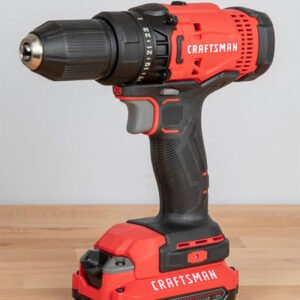
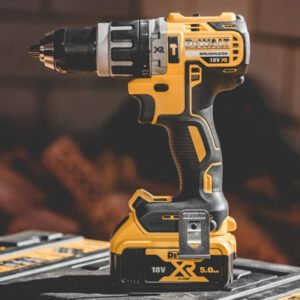
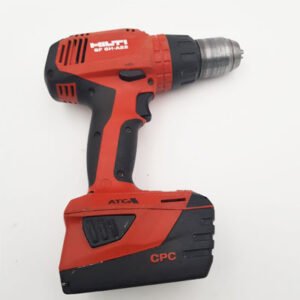
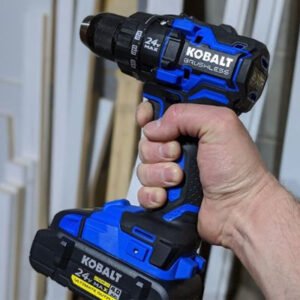
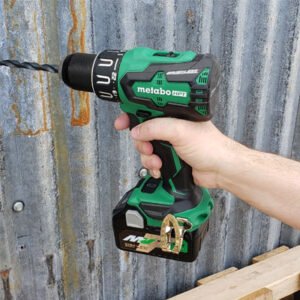
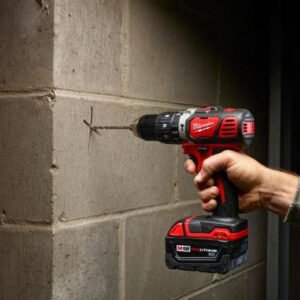
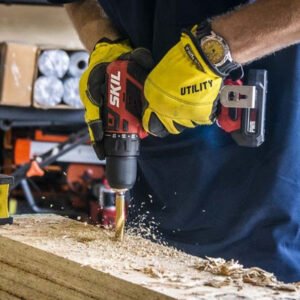

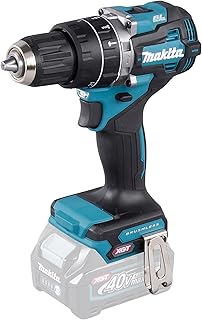


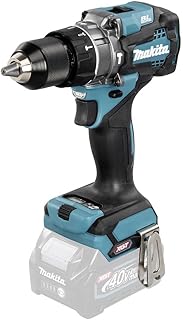

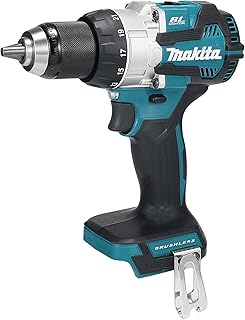
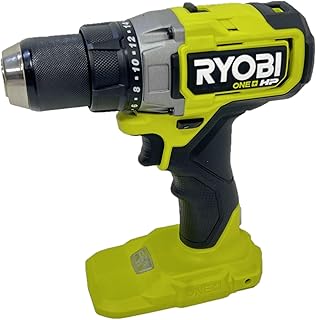

A cordless combi drill is one of the most versatile power tools for homeowners, renovators, tradespeople and DIY users. Unlike a conventional cordless drill, a combi drill normally combines standard drilling, screwdriving and hammer drilling in one tool. That makes it useful for everything from assembling furniture and installing shelves to drilling into masonry, timber and metal.
For Canadian buyers, choosing the right model involves more than comparing voltage or the number of accessories in a kit. Battery platform, torque control, chuck quality, speed range, hammer mechanism, ergonomics, cold-weather considerations, charger performance and the availability of compatible batteries can all affect the ownership experience.
The strongest choice is therefore not necessarily the most powerful drill. A compact model can be preferable for cabinet installation and general household work, while a higher-torque professional drill may be better suited to construction, structural fastening and frequent masonry drilling.
A cordless combi drill is a battery-powered drill that typically provides three operating modes: drilling, screwdriving and hammer drilling. The hammer function adds a rapid impact action to the rotating chuck, helping the drill make holes in brick, block and other masonry materials.
The exact capabilities vary considerably between models. Some are designed primarily for light DIY work, whereas professional machines from brands such as DeWalt, Makita, Milwaukee, Bosch, Ryobi and Metabo HPT can offer substantially higher torque, advanced electronic controls and larger battery systems.
It is important to distinguish a combi drill from an SDS rotary hammer. A combi drill's hammer action is suitable for many small masonry holes, but an SDS drill is generally the more appropriate tool for repeated heavy-duty concrete drilling, larger holes and demanding demolition-related work.
Voltage is a useful starting point, but it should not be treated as a direct measurement of drilling performance. Two drills with the same nominal battery voltage can have noticeably different torque, motor efficiency, electronic controls and mechanical design.
Compact 12V-class systems can be excellent for light-duty work where low weight and maneuverability matter. Popular 18V and 20V-class platforms generally provide a stronger balance of power, runtime and portability for general construction and renovation. The nominal voltage terminology also varies between manufacturers and battery systems, so compare the complete platform rather than assuming that a higher printed number automatically means a better drill.
Torque determines how effectively a drill can turn a fastener or drill bit under load. High torque is particularly valuable for large screws, structural fastening and demanding drilling applications.
However, maximum torque is only one part of the equation. A drill with excellent low-speed control may be easier to use for delicate screws than a substantially more powerful model. Look at the available clutch settings, speed control and overall handling as well as the headline torque figure.
Most quality combi drills use a mechanical two-speed gearbox. The lower range provides greater rotational force at lower speed, while the higher range is intended for faster drilling.
A good gearbox should provide predictable transitions between applications and remain easy to operate while wearing work gloves.
A keyless chuck makes bit changes convenient without requiring a chuck key. Many modern combi drills use a 13 mm chuck, although compact models can use smaller chucks.
A metal chuck can offer a reassuring level of durability for frequent professional use, while a high-quality polymer-and-metal design can help reduce weight. Check how securely the chuck grips bits, how smoothly it operates and whether the maximum bit diameter suits your intended applications.
The hammer mode is the feature that turns a conventional cordless drill into a combi drill. It is intended for drilling holes in masonry such as brick and block.
For occasional small holes in masonry, a good combi drill can be extremely convenient. If your work regularly involves reinforced concrete, deep holes, large masonry bits or prolonged drilling, consider whether a dedicated rotary hammer would be a better addition to your tool collection.
Motor design is another major buying consideration. Brushless motors use electronic control rather than conventional carbon brushes, which can reduce mechanical wear and improve efficiency. Brushless tools are often positioned toward more demanding users and may offer better runtime or performance within a comparable battery class.
Brushed drills can still be practical for occasional DIY work and may be attractive when initial purchase cost is the main consideration. The best choice depends on how frequently the tool will be used and whether you already own batteries from a compatible platform.
If you are buying your first cordless power tool, the battery platform can be as important as the drill itself. Once batteries and chargers accumulate, staying within one manufacturer's ecosystem can reduce the need to maintain several incompatible battery systems.
Before choosing a drill kit, consider which other tools you may purchase in the future. DeWalt, Makita, Milwaukee, Bosch, Ryobi and other manufacturers offer broad cordless ranges, but batteries are generally tied to specific platforms and are not universally interchangeable.
For someone who already owns compatible batteries, a bare-tool purchase can sometimes make more practical sense than buying another charger and battery. Conversely, a first-time cordless-tool buyer may find a complete kit more convenient because it provides the drill, battery and charger together.
Amp-hours, abbreviated as Ah, indicate battery capacity rather than directly indicating drilling power. A higher-capacity battery can generally provide more stored energy, but it can also add weight and bulk.
Runtime varies according to the material being drilled, bit diameter, load, operating speed, temperature, battery condition and tool efficiency. Avoid treating an advertised Ah figure as a guaranteed number of holes or fastening cycles.
A drill can have excellent specifications and still be uncomfortable to use. Weight distribution is particularly important when working overhead, inside cabinets or in confined spaces.
When comparing models, consider the complete working weight rather than only the tool's bare weight. A large battery can materially change the balance of the drill.
Modern cordless combi drills can include more electronic functionality than older drills. Depending on the model, features may include electronic overload protection, electronic braking, selectable power modes, LED work lights and intelligent battery communication.
These features can improve usability, but they should be evaluated in context. A professional user may appreciate advanced control and protection systems, while an occasional homeowner may prefer a simpler drill that is easy to operate.
Chuck quality affects how consistently a drill bit rotates. Excessive runout can make precision drilling more difficult and can become especially noticeable with smaller bits.
For routine construction work, absolute precision may not be the primary concern. For cabinetry, hardware installation and repetitive drilling where hole alignment matters, however, smooth chuck operation and accurate bit retention become more important.
Most good cordless combi drills are highly capable for wood drilling. Choose the appropriate bit, select a suitable speed and avoid excessive pressure. Large spade bits and hole saws can place significant load on the motor, so low gear may be preferable for demanding applications.
Metal drilling requires suitable drill bits, controlled speed and appropriate cutting technique. High speed is not automatically better. Larger bits often require slower operation, and overheating can damage bits and affect the workpiece.
The hammer setting can make drilling small masonry holes considerably easier than using standard rotation alone. Use a masonry bit designed for the material and select a suitable speed and impact setting.
Concrete is where buyers most often overestimate the capabilities of a combi drill. Hammer-drill mode can handle some lighter concrete applications, but a dedicated SDS rotary hammer is usually the better tool for frequent or demanding concrete drilling.
A compact drill is often the better option when access, portability and reduced fatigue are more important than maximum power. It can be particularly useful for furniture assembly, electrical installation, cabinetry and routine household maintenance.
A full-size professional combi drill is generally more appropriate when high torque, larger drill sizes and sustained performance are priorities.
Voltage alone does not tell you everything about a cordless drill. Compare torque, speed, motor technology, battery platform, chuck construction, ergonomics and intended application.
A large battery can increase runtime, but it also adds weight. If most of your work consists of short tasks, a smaller battery may produce a more comfortable setup.
Buying a drill from a platform that does not match your existing cordless tools can result in duplicated batteries and chargers. Think about your likely future tool purchases before committing to a platform.
A combi drill is versatile, but it is not a universal replacement for a compact installation driver, impact driver, rotary hammer or dedicated drill press. Choose the tool according to the work rather than expecting one machine to perform every task equally well.
A large accessory bundle can look attractive, but the value depends on whether the included bits and accessories are suitable for your work. A smaller kit containing useful, quality accessories may be more practical than a large assortment of items you rarely use.
An impact driver is optimized for driving fasteners and uses a different impact mechanism from the hammer function found in a combi drill. It can be particularly effective for long screws and demanding fastening tasks.
A combi drill remains more versatile for general drilling because its chuck accepts conventional drill bits and its hammer setting can handle suitable masonry work.
The term hammer drill can create confusion because manufacturers and retailers sometimes use different terminology. A cordless combi drill generally refers to a drill with conventional rotation, screwdriving control and a hammer-drilling mode.
A dedicated rotary hammer, particularly an SDS model, uses a more specialized impact mechanism and is designed for substantially more demanding masonry and concrete work. If your project involves extensive concrete drilling, compare SDS rotary hammers rather than simply choosing the highest-powered combi drill.
When evaluating a shortlist of cordless combi drills for the Canadian market, use a consistent comparison framework. Specifications should be considered alongside intended use rather than viewed independently.
Several established manufacturers have extensive cordless tool ecosystems that may be worth considering when building a long-term collection.
Brand reputation should not replace product-level comparison. A model from a well-known manufacturer may still be unsuitable if its size, battery platform or specifications do not match your application.
A bare tool is supplied without a battery and charger. This configuration can be economical for users who already own compatible batteries.
A complete kit normally makes more sense for someone entering a new battery platform. Before comparing prices, check exactly what is included. Two apparently similar listings can contain different battery capacities, chargers or accessories.
Canadian conditions make battery care particularly important. Lithium-ion batteries should be used and stored according to the manufacturer's temperature guidance. Very cold batteries may not deliver normal performance, and charging a battery outside its specified temperature range can be inappropriate.
For winter projects, allow equipment to reach an appropriate operating temperature when required by the manufacturer's instructions. Avoid leaving batteries unnecessarily exposed to extreme cold for extended periods, and follow the manufacturer's storage and charging recommendations.
Battery maintenance matters because replacement batteries can represent a significant part of the long-term ownership cost of a cordless tool system.
Routine maintenance is relatively straightforward but can help keep a cordless combi drill operating reliably.
Even an excellent combi drill can perform poorly with unsuitable or worn accessories. Select drill bits according to the material and application.
Always follow the tool manufacturer's safety instructions and the instructions supplied with the drill bits and accessories. Wear appropriate eye protection when drilling, especially when working with masonry or materials capable of producing chips and dust.
Before drilling into walls, verify that the drilling location is appropriate and consider the possibility of concealed electrical wiring, plumbing and other services. Secure the workpiece where appropriate rather than relying on one hand to hold it while drilling.
For homeowners, versatility and ease of use often matter more than maximum output. A practical DIY drill should be comfortable, reasonably compact and easy to control. A well-established battery platform can also be advantageous if you expect to add a cordless saw, sander, trimmer or other tools later.
Look for a model with a sensible two-speed gearbox, adjustable clutch, variable-speed trigger, adequate chuck capacity and enough battery capacity for your typical projects.
Professional users generally place greater emphasis on durability, sustained performance, battery availability, ergonomics and serviceability. High torque can be valuable, but so can precise control at low speed and a design that remains comfortable after extended use.
For professional purchasing, consider the entire platform rather than a single drill. The availability of compatible batteries, chargers, lights, saws, impact drivers and other trade-specific tools can have a greater long-term effect on productivity than a small difference in headline specifications.
Customer reviews can provide useful information, but they should not be treated as a substitute for specifications or manufacturer documentation. Look for recurring themes rather than isolated comments.
Verified customer reviews can be particularly useful when they explain the application, battery configuration and frequency of use. A review from someone drilling occasional pilot holes should not carry the same practical relevance as feedback from a user performing comparable professional work.
Product listings can vary between retailers and kit configurations, so verify the exact model number before making a purchase decision.
The lowest purchase price is not always the lowest total cost. A cordless drill belongs to a wider ecosystem, so consider battery replacement, additional chargers, accessories and future tools.
A higher-priced brushless drill may make sense for someone using it frequently, while a simpler model can be entirely adequate for occasional household tasks. The right value proposition depends on expected workload rather than the tool's price alone.
There is no single best model for every Canadian buyer. The ideal choice depends on application, budget, preferred battery ecosystem, required torque, drill size, working environment and how frequently the tool will be used. Compare the shortlisted models against these factors rather than choosing solely by brand or headline power.
Both can be excellent choices. Nominal voltage terminology differs between manufacturers and battery systems, so compare actual specifications, platform compatibility, torque, speed, weight and intended application instead of assuming one voltage label guarantees superior performance.
Brushless motors can provide efficiency, reduced brush-related wear and sophisticated electronic control, making them attractive for frequent or demanding use. A brushed model can still be suitable for occasional DIY work.
A combi drill's hammer mode can handle some suitable masonry and lighter concrete drilling tasks when paired with the correct bit. For frequent, deep or large-diameter concrete drilling, a dedicated SDS rotary hammer is generally a more appropriate tool.
Choose according to the balance you need between runtime and weight. Smaller batteries improve portability, while larger batteries can provide more stored energy for longer or heavier workloads.
Not necessarily. A combi drill can handle many fastening jobs. An impact driver becomes more useful when repetitive or high-demand screw and bolt fastening is a major part of your work.
Yes. A suitable combi drill can handle many woodworking tasks, including pilot holes, general drilling and screwdriving. Select the correct bit, speed and torque setting for the application.
Usually not. A combi drill is designed for versatility, whereas a rotary hammer is specialized for demanding masonry and concrete work. If heavy concrete drilling is a routine requirement, compare dedicated rotary hammer models.
A two-battery kit can be convenient for users who work for extended periods because one battery can be charging while the other is in use. For occasional household jobs, one battery may be sufficient.
Very important. Chuck quality affects bit retention, ease of bit changes and, in some applications, drilling accuracy. Compare chuck size and construction as part of the overall tool assessment.
Basic cleaning and inspection should be performed as needed, particularly after dusty or demanding jobs. Follow the manufacturer's maintenance schedule and instructions for any serviceable components.
The best cordless combi drill in Canada is the model that fits the work you actually expect to perform. For general household projects, a compact and easy-to-control drill can be more useful than an oversized professional machine. For construction and frequent heavy-duty use, higher torque, brushless motor technology, durable components, larger battery options and a comprehensive professional ecosystem become more important.
Before making a final decision, compare the complete specification, exact kit contents, battery platform, ergonomics and current customer feedback. Most importantly, choose the tool according to the materials, fastening requirements and frequency of use rather than selecting a model solely because it has the highest advertised power.