

♥ Wishlist
We analyzed 21 of the most popular Chainsaws for Canadian Cutting Jobs available in ca. Compare features, customer reviews, ratings, and expert recommendations to help you choose the best option in 2026.
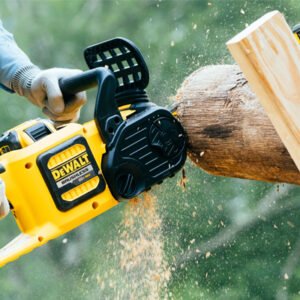
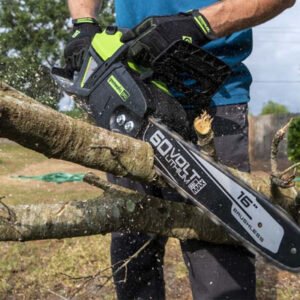
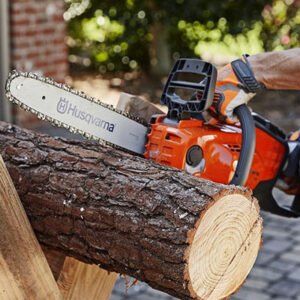
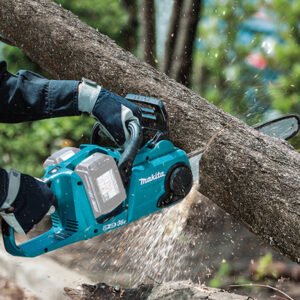
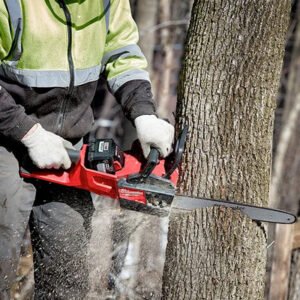
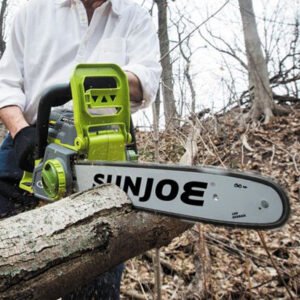
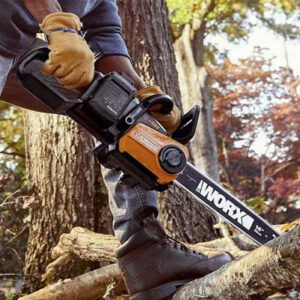


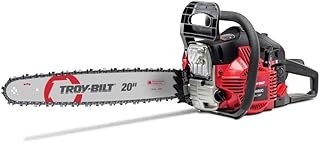


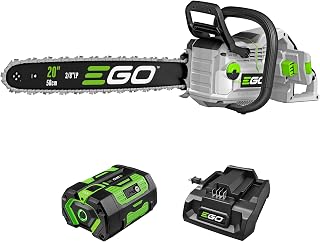
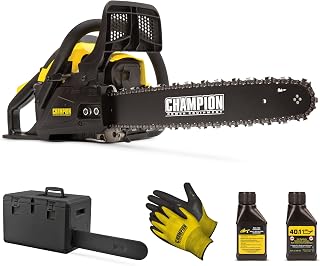


Choosing the right chainsaw in Canada depends less on finding the most powerful model and more on matching the saw to the type of cutting you actually expect to do. A compact battery chainsaw can be an excellent choice for pruning, storm cleanup and occasional firewood preparation, while a larger gas model may be more appropriate for frequent cutting of substantial logs. Corded electric chainsaws occupy a useful middle ground when continuous power is available.
For Canadian buyers, the decision also involves factors that are easy to overlook: battery ecosystem compatibility, cold-weather use, bar length, chain type, weight, maintenance requirements, replacement-chain availability, storage, noise, and the availability of suitable power for corded equipment. Specifications should therefore be considered together rather than judged by motor size or advertised bar length alone.
Battery chainsaws have become increasingly practical for homeowners who want the convenience of cordless equipment. They eliminate fuel mixing and reduce routine engine maintenance, while allowing the operator to move freely around a property. They are particularly useful for pruning branches, cutting smaller trees, processing firewood and dealing with occasional storm damage.
The most important specification is not simply the battery's voltage. Cutting performance is influenced by the motor, chain speed, chain condition, bar length, wood species, log diameter, operator technique and battery capacity. A high-voltage platform may offer substantial performance, but a smaller saw can be a better choice when low weight and maneuverability matter more.
Popular cordless ecosystems from brands such as DeWalt, Milwaukee, Makita, EGO, Greenworks and Ryobi can make sense for buyers who already own compatible batteries and chargers. However, compatibility should always be checked carefully because batteries from different voltage platforms or product families are not necessarily interchangeable.
A corded chainsaw can be useful when cutting takes place close to a suitable electrical outlet. Its main advantage is continuous operation without refuelling or waiting for a battery to recharge. This can be convenient for light-to-moderate residential work.
The trade-off is mobility. The extension cord becomes part of the working environment and requires careful management to prevent accidental damage or creating a trip hazard. Extension-cord requirements should be checked against the chainsaw manufacturer's specifications rather than selected solely on convenience.
Gas chainsaws remain relevant for demanding cutting because they can provide high sustained power and are not limited by battery runtime. They are worth considering for larger properties, frequent firewood processing, substantial tree work and situations where electrical access is unavailable.
Gas models also require more maintenance. Fuel quality and storage, engine servicing, air filtration, spark plugs, starting procedures and fuel-system care all become part of ownership. A gas saw that is substantially more capable than necessary can also be tiring to use, so greater engine displacement should not automatically be treated as a better purchase.
Bar length describes the guide bar supporting the cutting chain. Common residential chainsaws use relatively short bars, while professional and heavy-duty models may use considerably longer equipment. The correct length depends on the material being cut and the saw's power.
A longer bar is not automatically an advantage. It adds weight and can make a chainsaw less convenient to control. Using a bar that is unnecessarily long can also place greater demands on the power source. For many homeowners, choosing a manageable saw with an appropriately sized bar is more useful than buying the longest model within the budget.
Battery voltage indicates the electrical system's nominal voltage, but it should not be treated as a direct measurement of cutting performance. Amp-hours indicate battery capacity and can help estimate how much energy a battery stores, but actual runtime varies considerably with the cutting conditions.
For cordless chainsaws, look at the complete system: motor design, chain speed, battery capacity, charger, included battery configuration and compatible replacement batteries. A saw sold without a battery may appear inexpensive until the cost of obtaining the appropriate battery and charger is included.
Chain speed affects how quickly the cutting chain moves through the wood. However, a high chain-speed figure alone does not guarantee superior real-world cutting. Torque delivery, chain sharpness and the ability of the motor to maintain performance under load are also important.
Gas chainsaws are commonly differentiated by engine displacement. Larger displacement generally indicates a class of saw intended for more demanding work, but it should be evaluated alongside the bar length, overall weight and intended application.
The chain is a critical part of chainsaw performance. Even an expensive chainsaw can cut poorly when its chain is dull, damaged or incorrectly tensioned.
Chain pitch describes the spacing between the chain's drive links and is an important compatibility specification. Replacement chains must match the chainsaw's required pitch and other dimensions. Never assume that two chainsaws with the same bar length use the same chain.
Gauge relates to the thickness of the chain's drive links. The replacement chain must match the guide bar and sprocket specifications. Incorrect chain dimensions can result in poor fit and unsafe operation.
Many homeowner-oriented chainsaws use chain designs intended to reduce kickback potential. Reduced-kickback features can be valuable, but they do not eliminate the risk. Users still need appropriate training, protective equipment and safe cutting practices.
Regular tension checks are essential because chains can loosen during use. Some chainsaws provide tool-free tensioning mechanisms, which can make routine adjustments more convenient. Buyers should consider how easy it is to inspect and adjust the chain rather than treating tool-free adjustment as a substitute for proper maintenance.
Chainsaws require suitable chain and bar lubrication. Automatic oiling systems can simplify operation by supplying lubricant while the saw is running, but the system still needs to be monitored. A user should confirm that the oil reservoir contains the appropriate lubricant and inspect the bar and chain for signs of inadequate lubrication.
Proper lubrication reduces unnecessary friction and helps protect the chain and guide bar. Always follow the specific manufacturer's instructions regarding recommended chain oil and operating conditions.
Chainsaw weight is particularly important for pruning and work that involves repeated repositioning. A powerful saw that becomes difficult to control after several minutes may be less suitable than a lighter model that comfortably handles the intended workload.
When comparing models, consider the complete operating weight rather than the bare tool alone. For cordless products, the battery contributes to the working weight. A specification listing that excludes the battery can therefore make two otherwise similar saws appear closer in weight than they actually are.
Look for a balanced front and rear handle arrangement, comfortable grip surfaces, accessible controls and a design that allows the saw to be positioned without excessive wrist movement. Controls should be understandable and accessible while wearing appropriate protective gloves.
Safety should be considered before power, runtime or convenience. A chainsaw is a high-energy cutting tool capable of causing serious injury, and no consumer feature removes the need for appropriate training and safe operating procedures.
A functioning chain brake is an important part of a modern chainsaw's safety system. Buyers should understand how the brake operates and inspect the equipment according to the manufacturer's instructions.
Gas and cordless chainsaws commonly incorporate controls intended to help prevent unintended chain movement. Become familiar with the exact control arrangement of the model before beginning work.
Kickback can occur when the moving chain contacts an object or when the upper portion of the guide-bar nose engages the material in a particular way. The resulting movement can be rapid and forceful. Proper technique, maintaining awareness of the bar tip and using suitable protective equipment are essential.
Canada's climate makes seasonal conditions an important consideration. Cold temperatures can affect batteries, lubricants, fuel systems and operator comfort. Cordless-tool owners should follow the battery manufacturer's storage, charging and temperature recommendations rather than assuming a battery can be charged immediately after being exposed to severe cold.
Winter storage also deserves attention. A chainsaw should be cleaned, inspected and stored according to its manufacturer's instructions. Gas models require particular attention to fuel-system recommendations, while cordless models require appropriate battery storage practices.
Runtime should not be treated as a fixed number because chainsaws experience highly variable loads. Cutting small branches intermittently is very different from continuously processing large hardwood logs.
Runtime can be influenced by:
If extended work is expected, compare the cost and availability of additional compatible batteries and charging equipment. For buyers already invested in a cordless tool platform, using an existing battery ecosystem can materially change the overall value calculation.
Brushless motors are widely used in higher-end cordless power tools. They eliminate conventional motor brushes and are electronically controlled. Depending on the design, this can contribute to efficiency, durability and controlled power delivery.
A brushed motor is not automatically unsuitable. For occasional light-duty use, the overall chainsaw design, warranty terms, battery platform, ergonomics and purchase cost may matter more than the motor type alone.
For frequent users, brushless construction is a worthwhile specification to investigate, especially when comparing otherwise similar cordless chainsaws.
Gas chainsaws require more mechanical attention than most cordless alternatives. The exact maintenance schedule varies by manufacturer and model, so the owner's manual should take priority over generic maintenance intervals.
Cordless chainsaws are simpler in some respects but still require routine care. Remove debris, inspect the chain and guide bar, verify tension, check lubrication and examine the equipment for damage before use.
Battery contacts should be kept clean and dry, and batteries should be handled and stored according to the battery manufacturer's instructions. Do not use a damaged battery, damaged charger or chainsaw with compromised safety components.
Sharpness has a major effect on cutting performance. A properly maintained chain should cut efficiently without requiring excessive force from the operator. A dull chain can increase effort, heat and vibration while reducing cutting efficiency.
Chain sharpening requires the correct file or sharpening equipment and the correct filing dimensions for the chain. The appropriate specifications depend on the chain model. Buyers who expect to maintain their own chains should therefore identify the exact chain specification and learn the recommended sharpening procedure.
Professional sharpening is another option for users who do not want to perform this maintenance themselves. In either case, a replacement chain should be selected by matching the complete chain specifications rather than buying solely by bar length.
A chain may need replacement when its cutters can no longer be safely or effectively sharpened, when components are damaged, or when wear exceeds the manufacturer's acceptable limits. A chain with damaged drive links, excessive wear or other structural problems should not simply be continued in service because it still appears to cut.
It is useful to keep the chainsaw's exact model number and chain specification for future replacement purchases. This reduces the risk of selecting an apparently similar but incompatible chain.
The guide bar should be inspected as part of routine maintenance. Uneven wear, damaged rails, debris in the bar groove and problems around the nose sprocket can affect chain movement and cutting performance.
Rotating the guide bar at the intervals specified by the manufacturer can help distribute wear on compatible bars. The exact procedure depends on the design, so the manufacturer's maintenance instructions should be followed.
Firewood preparation is one of the most common reasons Canadian homeowners consider purchasing a chainsaw. The ideal model depends on log diameter, cutting frequency, wood species and whether the work takes place at home or in a remote location.
For occasional small-diameter firewood, a compact battery chainsaw may provide an appealing balance of convenience and capability. Larger or more frequent cutting can justify a more powerful cordless or gas saw, particularly when long sessions would exceed the practical runtime of available batteries.
When comparing models for firewood, examine the complete combination of bar length, power delivery, operating weight, chain availability and maintenance requirements rather than choosing based on engine displacement or battery voltage alone.
Pruning requires a different set of priorities. A compact and maneuverable chainsaw is generally more suitable than a heavy saw designed for felling large trees. Weight, balance and controllability become particularly important when making repeated cuts.
Users should also distinguish between equipment intended for ground-based pruning and specialized arborist equipment. Climbing and professional tree-care work involves additional training, equipment and procedures and should not be treated as ordinary homeowner chainsaw use.
Storm cleanup can involve branches, fallen trees, partially suspended limbs and unpredictable tension within the wood. These conditions can be considerably more hazardous than ordinary cutting of stable logs.
Homeowners should avoid cutting situations beyond their training and equipment capabilities. Downed trees under tension, large suspended branches, damaged trees and trees close to buildings or utility lines can require qualified professional assistance.
A longer bar can increase reach and cutting capacity, but it also adds weight and may require more power. Select bar length based on the intended work rather than choosing the largest specification within the price range.
Voltage alone does not provide a complete picture of cordless chainsaw capability. Motor design, chain speed, torque delivery and battery capacity all influence performance.
A bare cordless tool may appear inexpensive compared with a kit containing a battery and charger. Calculate the complete system cost before comparing prices.
A chainsaw is a long-term tool, and chains are consumable components. Check whether the required replacement-chain specification is readily identifiable and available through appropriate retailers before purchasing.
Ratings can be useful for identifying recurring themes, but they should not replace specification checks. Reviews may combine different product generations, use cases and expectations. Look for detailed feedback that explains what the product was used for and compare those observations with the manufacturer's specifications.
Extra power can be useful, but a heavy or aggressive saw may be unnecessary for occasional homeowner work. Operator control, fatigue and the actual size of the material being cut should remain central to the decision.
Brand reputation can help narrow a shortlist, but the model itself should receive the final evaluation. Established tool manufacturers such as Stihl, Husqvarna, Echo, Makita, DeWalt, Milwaukee, EGO, Greenworks and Ryobi offer products across different power classes and intended applications.
Instead of asking which brand is universally best, compare the specific models on the characteristics that matter for your workload: power source, bar length, chain specification, weight, battery platform, maintenance requirements, safety features, replacement parts and documented manufacturer support.
Stihl and Husqvarna are prominent names in chainsaws, with product ranges covering homeowner, landowner and professional applications. When comparing the two, focus on the particular models rather than assuming one manufacturer is always superior.
Compare engine or motor class, recommended bar range, weight, starting system, chain configuration, ergonomics, maintenance access and the local availability of compatible consumables and service. For Canadian buyers, access to an appropriate dealer or service provider can be particularly useful for owners who prefer professional maintenance.
For buyers already invested in cordless power-tool platforms, chainsaw selection can be strongly influenced by battery compatibility. DeWalt, Milwaukee and Makita each have extensive cordless tool ecosystems, but battery compatibility remains platform-specific.
An existing battery collection can reduce the need to purchase additional batteries and chargers. However, buyers should confirm the exact battery requirements of the chainsaw because not every battery in a manufacturer's broader range is necessarily suitable for every tool.
EGO, Greenworks and Ryobi are also relevant when comparing residential cordless outdoor power equipment. Their chainsaw ranges can appeal to homeowners who prioritize cordless convenience and are willing to remain within a particular battery ecosystem.
When comparing these platforms, consider not only the chainsaw but also the wider equipment you may eventually purchase. If a battery system can power multiple compatible outdoor tools, the long-term value may be more important than the chainsaw's standalone price.
A useful product review should provide enough context to determine whether the chainsaw suits a particular task. The most informative reviews typically discuss cutting conditions, material size, ergonomics, maintenance and limitations rather than simply declaring a product good or bad.
When reading customer feedback, look for repeated comments about:
Before purchasing, create a simple comparison based on the specifications that actually affect your use case. A useful comparison should include the power source, bar length, chain specification, operating weight, battery configuration if applicable, safety features, oiling system, adjustment method and maintenance requirements.
Then consider practical ownership factors. A chainsaw that technically meets the required cutting capacity may still be inconvenient if it is too heavy, uses an uncommon replacement chain, requires a battery you do not own or has maintenance requirements that do not fit your routine.
The lowest purchase price is not necessarily the lowest overall cost of ownership. Consider batteries, chargers, replacement chains, chain-sharpening equipment, bar maintenance, fuel and other consumables where applicable.
For cordless buyers, an existing battery platform can make a higher-priced bare tool more attractive than an inexpensive saw requiring a completely new battery ecosystem. Conversely, a buyer starting from scratch should compare complete kits rather than bare-tool prices alone.
A chainsaw is only part of the equipment required for responsible operation and maintenance. Depending on the work, buyers may need suitable protective equipment, chain-maintenance tools and storage accessories.
Proper storage helps protect the investment and ensures the chainsaw is ready for its next use. Clean sawdust and debris from appropriate areas, inspect the guide bar and chain, and follow the manufacturer's instructions for storage.
Battery-powered equipment should be stored with batteries handled according to their specific instructions. Batteries and chargers should be protected from inappropriate temperatures, moisture and physical damage.
Gas chainsaws require additional attention to fuel storage and long-term engine care. Manufacturer-specific instructions should take precedence because fuel-system recommendations can differ between engines and generations.
Cordless chainsaws can be attractive to homeowners who want to avoid gasoline handling and engine exhaust during routine property maintenance. They also tend to produce less operational noise than many gas alternatives, although hearing protection and local noise considerations remain relevant.
Gas models can still be appropriate where high sustained power and long-duration operation are priorities. The most environmentally sensible choice depends on the actual workload, expected service life, charging or fuel requirements and how effectively the tool is maintained.
Not every cutting job calls for a chainsaw. Small branches may be more appropriately handled with hand pruners, loppers or a suitable pruning saw. Using a chainsaw for a task that can be completed safely with a smaller tool can introduce unnecessary risk and inconvenience.
Likewise, difficult tree removals, trees leaning toward structures, trees close to utility lines, significantly damaged trees and wood under unpredictable tension can require professional tree-care expertise. The correct purchasing decision may sometimes be to hire a qualified professional rather than purchase a larger chainsaw.
There is no single best chainsaw for every Canadian buyer. The right choice depends on cutting diameter, frequency of use, power source, desired mobility, operating weight, maintenance preferences and budget. A compact cordless model can be ideal for occasional property maintenance, while more demanding work may justify a larger cordless or gas saw.
Many cordless chainsaws are capable of handling appropriate firewood-cutting tasks, but capability varies substantially between models. Consider the saw's recommended bar range, motor characteristics, battery configuration, chain speed and the diameter and species of wood you expect to cut.
Neither power source is universally better. Gas models can be advantageous for sustained heavy cutting and situations where battery charging is impractical. Battery chainsaws can be preferable for homeowners who value lower maintenance, easier starting and cordless convenience.
A moderate bar length is often a practical choice for general residential work, but the correct size depends on the chainsaw's power and the material being cut. Avoid choosing a bar solely because it is longer.
A brushless motor can be an attractive feature on a cordless chainsaw, particularly for frequent users, but it should be evaluated alongside the entire tool system. Battery capacity, chain speed, weight, ergonomics and maintenance requirements can be equally important.
No. Replacement chains must match the chainsaw and guide bar specifications, including the appropriate pitch and gauge and the required number of drive links. Confirm the exact specification before purchasing.
Yes, chainsaws generally require appropriate lubrication for the guide bar and chain regardless of whether the motor is electric or gas-powered. Follow the specific manufacturer's recommendations for the correct lubricant and oiling procedure.
Chainsaws can be used in cold conditions when the equipment and operating conditions are appropriate, but low temperatures can affect batteries, lubricants and gas-engine components. Follow the manufacturer's temperature, charging, fuel and storage recommendations.
There is no universal interval because cutting conditions vary. Inspect the chain regularly and sharpen it when cutting performance indicates that it has become dull, following the chain manufacturer's specifications. Damage or excessive wear may require replacement instead.
Only if the saw's power system is designed to support the selected bar and the additional weight is appropriate for you. Buying an unnecessarily long bar can make the saw heavier and less convenient without providing a meaningful benefit for smaller jobs.
Both can be useful, but they answer different questions. Specifications describe the product's documented characteristics, while customer feedback can reveal recurring usability issues or strengths. Evaluate detailed reviews in the context of the tasks the reviewers performed.
The best chainsaw for a Canadian homeowner is the model that provides sufficient cutting capacity without becoming unnecessarily heavy, complicated or expensive to maintain. Start with the work you need to accomplish, then narrow the choices by power source, bar length, chain specification, weight and safety features.
For cordless buyers, the battery ecosystem deserves special attention because compatible batteries and chargers can influence the true cost and convenience of ownership. For gas buyers, maintenance and fuel requirements should be part of the decision from the beginning. For every type, replacement-chain compatibility, sharpening requirements and guide-bar maintenance should be treated as normal ownership considerations rather than afterthoughts.
Before making a purchase, compare the exact current model specifications, read verified customer feedback for the intended application and check current retailer information. Most importantly, select equipment appropriate to your experience and the scale of the work. A well-matched, properly maintained chainsaw is generally a better choice than simply selecting the most powerful or longest-bar model available.