

Explore cordless power tools, kits, batteries, chargers, accessories and related equipment available to Canadian shoppers. Compare product options and follow useful buying guides before you buy.


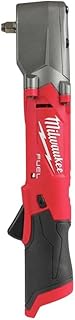


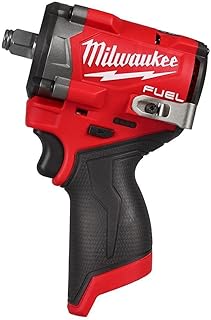

Choosing the best Milwaukee cordless impact wrench in Canada requires more than comparing the highest torque figure on a product listing. The right model depends on the type of fasteners you work with, the available space, the required torque range, battery platform, tool size, and how frequently the wrench will be used. A compact impact wrench can be ideal for automotive work in confined areas, while a high-torque model may be better suited to demanding mechanical, construction, agricultural, or heavy-equipment applications.
Milwaukee offers cordless impact wrenches across several performance categories, including compact, mid-torque and high-torque designs. The most suitable option therefore depends on your actual workload rather than simply choosing the most powerful tool available. Before buying, compare torque specifications, drive size, speed and impact rate, dimensions, weight, battery compatibility, control features, and the type of work the tool is designed to handle.
A useful comparison should focus on practical performance rather than isolated marketing claims. Specifications can vary between individual models and configurations, so buyers should verify the current manufacturer information and retailer listing before making a purchase.
Torque is one of the most important specifications when comparing cordless impact wrenches, but it should not be interpreted as a single measure of overall tool quality. Manufacturers may publish different torque measurements for fastening, nut-busting or removal performance. These figures describe different aspects of operation.
High torque can help when loosening stubborn fasteners, but excessive power is not automatically an advantage. A tool that delivers substantially more torque than necessary can make controlled fastening more difficult if the user does not employ the correct settings and procedures.
For routine automotive maintenance, the ideal impact wrench is often the one that provides sufficient removal capability while remaining compact and manageable. For larger machinery or heavily corroded fasteners, a high-torque model may be more appropriate.
Remember that an impact wrench should not automatically be used to establish final tightening torque on critical fasteners. Where the vehicle or equipment manufacturer specifies a torque value, use an appropriate calibrated torque wrench for final verification.
Compact models are designed for situations where accessibility and maneuverability matter. Their shorter form factor can be useful around suspension components, engine compartments and other areas where a conventional full-size impact wrench may be difficult to position.
The main advantage is not simply lower weight. A compact wrench can allow the user to reach fasteners that are obstructed by surrounding components. For automotive technicians and DIY users who regularly work in restricted spaces, this can be more valuable than maximum torque.
Mid-torque models provide a practical balance between power, portability and versatility. They can be suitable for a wide range of automotive and mechanical tasks without the size and weight associated with the largest impact wrenches.
If you want one cordless impact wrench for general maintenance, wheel-related work, mechanical repairs and a variety of fastening applications, the mid-torque category is worth examining carefully.
High-torque models are intended for demanding applications where stubborn fasteners require substantial removal capability. They can be particularly useful for heavy vehicles, machinery, construction equipment, industrial maintenance and other applications involving large fasteners.
The trade-off is usually greater size and weight. Before choosing a high-torque wrench, consider whether your regular work genuinely requires that level of output.
The drive size determines which sockets can be attached directly to the impact wrench. A 1/2-inch drive is a versatile choice for many automotive and general mechanical applications. Larger drive sizes can be appropriate when working with larger fasteners and higher-load applications.
Do not select a wrench solely because its torque rating looks impressive. The drive size, socket availability and fastener dimensions should all match your intended work.
Battery platform selection is an important consideration for buyers who already own cordless tools. Milwaukee's M12 and M18 systems target different size and performance requirements.
M12 tools generally prioritise compact dimensions and low weight, making the platform attractive for applications where accessibility is important. M18 tools cover a broader range of higher-output cordless equipment and are often the more appropriate choice when substantial impact-wrench performance is required.
If you already own compatible batteries and chargers, staying within the same platform can simplify ownership. However, buyers should still compare the complete tool requirements because not every Milwaukee impact wrench uses the same battery system.
Brushless motor technology is an important feature across modern cordless power tools. A brushless design can provide efficient motor operation and is commonly associated with premium cordless equipment.
Milwaukee's higher-end cordless tools frequently incorporate brushless technology, but buyers should avoid assuming that the presence of a brushless motor alone determines performance. The motor, electronics, battery, gearing, impact mechanism and overall design work together.
For commercial users, brushless technology can be particularly attractive when the tool is used frequently. For occasional DIY users, however, application, ergonomics and total cost may be more important than the motor designation by itself.
Some Milwaukee cordless impact tools offer electronic control and connected-tool features associated with the ONE-KEY ecosystem. Depending on the specific model, these features can provide additional control or tool-management capabilities.
These functions may be valuable for professionals managing multiple tools or needing more controlled operation. They are not essential for every homeowner, so consider whether the additional functionality actually matches your workflow before paying more for a feature set you may rarely use.
The anvil is the socket attachment point on an impact wrench. Milwaukee impact wrenches may use different anvil configurations depending on the model and intended application.
A friction-ring anvil is designed to hold sockets securely while allowing relatively convenient socket changes. It can be a practical choice for users who frequently switch between sockets.
A pin-detent system uses a retaining pin to secure the socket. This can provide positive retention and may be preferred in applications where socket security is particularly important.
Before purchasing, confirm the anvil configuration and socket-retention system of the exact model. Accessories and replacement components should be compatible with that design.
Battery choice affects more than runtime. A larger battery can add weight and alter the balance of the tool, while a compact battery may improve maneuverability but provide less operating capacity depending on its specifications.
For occasional use, a smaller compatible battery may be sufficient. For professional or intensive work, additional batteries can reduce interruptions caused by charging. If you already have Milwaukee cordless equipment, compare the batteries you own with the exact requirements of the impact wrench you are considering.
Canadian users should also consider storage conditions. Extreme cold can affect rechargeable battery performance. Follow the battery manufacturer's storage, charging and temperature recommendations rather than charging a battery outside its specified conditions.
Free speed indicates how quickly the tool rotates without a load, while impact rate describes the frequency of the hammering action. Neither number should be considered independently from torque and control.
Multiple operating modes can make an impact wrench more versatile. Lower settings can be useful when working with smaller fasteners or when greater control is required. Higher settings can provide the output necessary for stubborn fasteners.
Electronic control is especially useful when the same tool is used across several applications. It can reduce the temptation to operate a powerful impact wrench at maximum output for every task.
Impact wrenches generate substantial mechanical force, so handling characteristics matter. A tool that feels comfortable for a short test can become tiring after repeated use.
Milwaukee cordless impact wrenches are popular choices for automotive maintenance because cordless operation removes the need for an air compressor and hose. However, an impact wrench should be used appropriately when removing and installing wheel fasteners.
For removal, select a suitable impact-rated socket and use an appropriate impact-wrench setting. For installation, avoid relying on the impact wrench alone to determine final torque. Start fasteners carefully, prevent cross-threading, and finish critical wheel-fastener tightening with a properly calibrated torque wrench according to the vehicle manufacturer's specifications.
Using an impact-rated socket is also important. Standard chrome hand-tool sockets are not designed for repeated impact-wrench loading and may not be appropriate for this application.
A powerful impact wrench should be paired with suitable impact-rated sockets. Impact sockets are engineered for the repeated loading associated with impact tools and are generally distinguishable from conventional chrome sockets by their construction and finish.
When building an impact-wrench setup, consider socket size coverage, wall thickness, retention compatibility and the type of fasteners you regularly encounter. Deep sockets may be useful where studs or extended fasteners require additional clearance.
A very high torque rating may sound attractive, but a large and heavy tool can be inconvenient for everyday automotive work. Choose power according to the job.
A tool-only listing may look less expensive than a complete kit, but buyers without compatible batteries and chargers need to consider the complete ownership cost.
Verify the drive size before purchasing. Existing sockets may not fit a new impact wrench without the correct adapter, and adapters should only be used when appropriate for the application.
Impact tools should be paired with sockets designed for impact applications. Do not assume that every socket set is suitable for an impact wrench.
Two impact wrenches with similar output can have significantly different physical dimensions. In confined spaces, head length can determine whether the tool is usable.
Additional electronic modes can be useful, but they should not replace an understanding of proper fastening procedures. Choose controls that genuinely improve your intended workflow.
Milwaukee is not the only established manufacturer in the cordless impact-wrench market. Buyers may also encounter products from DeWalt, Makita, Bosch and Ryobi. The best choice depends heavily on the battery ecosystem, tool range, application and desired level of performance.
Milwaukee has a broad cordless-tool ecosystem and offers impact wrenches across compact and high-output categories. Buyers who already use compatible Milwaukee batteries may find platform compatibility particularly convenient.
DeWalt is another major cordless-tool manufacturer with a wide range of impact wrenches. Its extensive battery platform can make it a strong alternative for users already invested in compatible DeWalt tools.
Makita offers cordless tools designed around its established battery systems, including compact and professional-grade equipment. Ergonomics and platform compatibility can be important factors when comparing Makita against Milwaukee.
Bosch offers cordless power tools for professional and general applications. Buyers comparing Bosch with Milwaukee should focus on the specific model's torque, dimensions, battery system and intended workload rather than relying on brand reputation alone.
Ryobi's cordless ecosystem is particularly relevant to homeowners and DIY users. When comparing Ryobi and Milwaukee, consider the expected frequency of use, required performance and existing battery ownership.
A compact or mid-torque 1/2-inch model may provide a useful balance for many home automotive tasks. Prioritise manageable weight, battery compatibility, socket availability and sufficient removal capability.
Professional technicians should consider access, repetitive-use ergonomics, control settings, battery availability and durability alongside torque output. A compact model can complement a higher-torque wrench if the work involves a wide variety of vehicles and fasteners.
Construction users should consider fastener size, frequency of use, operating environment and required removal capability. Battery availability can be especially important when the tool is used throughout the workday.
Heavy-equipment maintenance can require substantially greater torque than routine automotive work. Larger drive sizes and high-torque models may be more appropriate, but socket compatibility and the manufacturer's fastening procedures remain essential.
Read the manufacturer's instructions before operating an impact wrench. Wear appropriate eye protection and use suitable personal protective equipment for the work environment.
Regular inspection can help identify problems before they interfere with work. Keep the tool clean and inspect the anvil, housing, trigger and battery interface periodically.
Canadian working conditions can introduce additional considerations, particularly for users who operate tools in unheated garages, outdoor work areas or winter construction environments. Cold temperatures can influence battery behaviour and operating conditions.
Do not assume that every cordless tool has identical temperature limits. Check the manufacturer's instructions for the specific battery and tool. Allow equipment to reach an appropriate operating temperature when required, and follow the manufacturer's charging guidance.
For mobile technicians and contractors, carrying spare compatible batteries can be useful because cold conditions may affect available battery performance. Proper storage is equally important.
Online product listings can contain multiple configurations of the same tool family. Carefully compare the complete contents rather than relying only on the product title.
Customer reviews can provide useful information that specifications do not always reveal. Look for recurring comments about balance, trigger control, socket retention, battery life, accessibility and ease of use.
Do not rely on a single review. A better approach is to look for patterns across multiple verified customer reviews and consider whether the reviewers are using the tool for applications similar to yours.
Reviews should supplement technical specifications rather than replace them. A product that receives excellent feedback for light automotive work may not be the right choice for heavy equipment simply because it has a high overall rating.
The cheapest impact wrench is not necessarily the best value, and the most expensive model is not necessarily the best choice. A sensible buying decision considers the complete system.
For someone already invested in the Milwaukee battery ecosystem, a tool-only purchase may make sense. A first-time buyer may need to account for batteries and a charger. Professional users should also consider whether the tool's durability, ergonomics and performance justify the additional investment over a basic model.
Compare the total package, not just the headline price. Include the battery, charger, impact sockets and any other accessories you would need to perform your intended work.
There is no single best model for every buyer. The right choice depends on the required torque, drive size, physical dimensions, battery platform and intended application. Compact models can suit confined automotive work, while mid-torque and high-torque models may be better for progressively more demanding applications.
Some M12 impact wrenches can be suitable for selected automotive applications, particularly where compact dimensions are valuable. Whether an M12 model is sufficient depends on the fastener size, condition and required removal torque.
Neither platform is universally better. M18 generally provides access to higher-output tools, while M12 prioritises compact size within its tool ecosystem. Choose the platform that matches your workload and existing battery collection.
Only if your regular applications require its additional output. For many general automotive and DIY tasks, a compact or mid-torque model can provide a more manageable solution.
No. An impact wrench is primarily intended for rapid fastening and loosening, while a calibrated torque wrench is designed for controlled final tightening where a specified torque is required.
Use sockets and accessories specifically rated for impact applications. Conventional chrome sockets are not intended for the repeated impact loading generated by an impact wrench.
Use a compatible Milwaukee battery specified for the exact model. Battery selection should consider compatibility, required output, runtime, size and overall tool balance.
They can be useful for removing wheel fasteners and assisting with installation. However, final tightening should follow the vehicle manufacturer's specified torque procedure, normally using a suitable torque wrench.
Both designs can be useful. A friction ring may offer convenient socket changes, while a pin-detent system provides positive retention. Choose according to your workflow and socket requirements.
Yes. Cordless operation is particularly convenient where compressed air is unavailable or where mobility matters. Canadian users should also consider battery performance and storage requirements in cold conditions.
The best Milwaukee cordless impact wrench for your needs is the one that provides enough performance without introducing unnecessary size, weight or cost. Start by identifying the fasteners and applications you handle most often. Then narrow the choices by drive size, torque class, dimensions, battery platform and control features.
For general automotive users, a manageable 1/2-inch model can offer a strong balance of versatility and portability. Users dealing with larger fasteners or heavy equipment should examine higher-output models and larger drive sizes. Professionals who work in confined spaces may place greater value on compact dimensions than headline torque.
Before purchasing, compare the exact model number, current specifications, included accessories, battery configuration and verified customer feedback. Check today's retailer pricing and availability separately because these details can change throughout 2026.
Most importantly, do not select an impact wrench based on torque alone. The best purchase combines suitable power, controllability, ergonomics, battery compatibility, socket compatibility and application-specific practicality.