

Explore cordless power tools, kits, batteries, chargers, accessories and related equipment available to Canadian shoppers. Compare product options and follow useful buying guides before you buy.


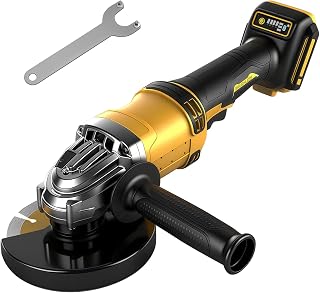


Choosing a DEWALT cordless angle grinder involves more than comparing motor speed or battery voltage. The right grinder depends on the type of material you cut, grind, polish or prepare, the disc size you need, how frequently you work, and whether you already own compatible DEWALT batteries. For Canadian buyers, it is also important to consider battery availability, cold-weather working conditions, replacement accessories and the practical demands of construction, fabrication, automotive repair and property maintenance.
This guide is designed for shoppers comparing DEWALT cordless angle grinders in Canada in 2026. Instead of focusing only on headline specifications, consider the complete tool system: grinder, battery, charger, discs, guards and accessories. A model that looks powerful on paper may not be the most suitable choice for controlled cutting or extended overhead work. Likewise, a compact grinder can be easier to handle while still being capable of demanding jobs when paired with the appropriate disc and battery.
DEWALT has a broad cordless power-tool ecosystem, which can make a compatible grinder particularly appealing to users who already own batteries from the same platform. Cordless operation also removes the need to position an extension cord around the work area, making these grinders useful on construction sites, renovation projects, workshops and outdoor jobs where mains power is inconvenient.
The main advantage is mobility. You can move around a workpiece without managing a power cable. This is especially useful when cutting metal stock, cleaning welds, removing surface corrosion or carrying out repairs away from a fixed workshop outlet.
However, cordless convenience does not eliminate the need to evaluate runtime, battery weight and charging requirements. A high-capacity battery can extend working time but may make a compact grinder feel heavier. A smaller battery may improve handling but require more frequent changes during demanding work.
There is no single grinder that is ideal for every Canadian user. Start by identifying your primary application. Cutting thin sheet metal requires different priorities from grinding heavy welds. Removing rust places different demands on the accessory than polishing stainless steel. Masonry-related cutting can also require a different approach from general metalworking.
Disc size affects cutting depth, handling and the overall size of the grinder. Common angle-grinder formats include compact models designed around smaller discs and larger grinders intended for more demanding applications.
A smaller disc can provide easier handling and better access in confined areas. A larger disc can provide greater cutting capacity, depending on the specific tool and accessory. Do not assume that a larger grinder is automatically better. Oversizing the tool for light work can increase fatigue without providing a meaningful advantage.
Motor performance matters when an angle grinder is subjected to sustained load. A grinder used for occasional trimming has different requirements from one used regularly for weld preparation or heavy material removal.
Look beyond a single advertised speed figure. A useful comparison should consider the grinder's ability to maintain performance under load, its control characteristics, braking behaviour and compatibility with the intended accessories.
Variable-speed functionality can be useful when working with different materials and accessories. High speed may be appropriate for certain grinding and cutting applications, while lower speeds can provide better control for selected finishing, polishing or surface-preparation tasks when the accessory is rated for that application.
Always follow the accessory manufacturer's permitted operating speed. The maximum speed rating of the disc or wheel should never be exceeded.
Safety features deserve as much attention as performance specifications. Depending on the specific DEWALT grinder, features may include electronic braking, overload protection, adjustable guards, side-handle configurations and other control systems.
Do not assume that every model contains the same features. Check the exact model specification before purchasing, particularly when comparing grinders that look almost identical.
Battery compatibility can have a major effect on overall value. If you already own compatible DEWALT batteries and a charger, a tool-only grinder may be attractive because you may not need another battery and charging setup.
If you are starting a cordless platform from scratch, compare the complete package rather than judging the grinder alone. A kit containing batteries and a charger can have a different overall value from a bare-tool package.
Battery choice affects runtime, balance and portability. A compact battery can keep the grinder relatively light, while a larger-capacity battery can be more suitable for extended work where changing batteries frequently would interrupt the job.
For intensive grinding, the battery's available energy and the load placed on the tool both matter. Cutting thick material repeatedly can consume energy differently from occasional deburring. Your working pattern should therefore determine battery selection.
Smaller batteries are useful when handling is the priority. They can be particularly convenient for short jobs, overhead tasks and applications where the grinder is repeatedly repositioned.
Larger batteries can provide more energy for demanding work, but their additional weight can affect ergonomics. If you spend several hours using the grinder, the difference in battery size may become noticeable.
Canadian weather introduces another practical consideration. Lithium-ion batteries can behave differently in very cold conditions. Outdoor winter work should follow the battery and tool manufacturer's guidance for operating and storing batteries in low temperatures. Avoid treating extreme cold as an ordinary operating environment without checking the applicable instructions.
Brushless motor technology is an important consideration when comparing cordless power tools. Brushless designs eliminate traditional replaceable motor brushes and can offer advantages in efficiency, durability and electronic control.
For frequent users, a brushless grinder can be particularly attractive because the motor design suits modern cordless tool platforms. Occasional users may place greater emphasis on purchase price, handling and the specific features included with the grinder.
Do not choose solely on the word “brushless.” Compare the complete specification, intended workload, battery platform, disc size, safety features and included equipment.
An electronic brake can reduce the time required for the wheel to stop after the trigger or switch is released. This can be useful when moving quickly between operations and when reducing the amount of time a spinning accessory remains active after use.
Kickback is a serious hazard with angle grinders. Some models incorporate electronic systems designed to detect certain abnormal conditions and reduce tool response. Check the manufacturer's description for the exact behaviour of the system because features and terminology can differ between models.
A properly positioned guard helps provide protection from sparks, fragments and the rotating accessory. Guard configuration should be appropriate for the operation being performed. Never remove a required guard simply to make an accessory easier to position.
A side handle provides additional control and can normally be positioned to suit the working orientation. Two-handed control is particularly important during demanding cutting and grinding tasks.
Tool-free guard adjustment or accessory-related features can make setup quicker. However, convenience should never replace correct installation or verification that the accessory is secure.
A cordless angle grinder is a versatile tool, but it should always be paired with the correct accessory and operating procedure.
Different discs and wheels are designed for different materials and operations. A cutting wheel should not be treated as a general-purpose grinding wheel, and an accessory intended for one material may not be suitable for another.
Prioritise control, appropriate disc compatibility and a guard configuration suitable for cutting. The grinder should be selected according to the material thickness and type of work rather than simply choosing the highest-powered model available.
Weld preparation can involve sustained material removal. A grinder with suitable power delivery and comfortable handling can reduce unnecessary strain. Select a grinding wheel rated for the intended material and operation.
Wire wheels and other surface-preparation accessories can be useful for removing rust and coatings when approved for the grinder. These accessories can behave differently from conventional grinding wheels, so correct guard use and eye and face protection remain important.
Finishing tasks may benefit from more controlled speed and suitable abrasive accessories. A grinder intended primarily for aggressive material removal may not provide the same level of control as a model with additional speed-management features.
More performance can be valuable under heavy load, but additional size and weight can make the tool less comfortable for detailed or prolonged work. Choose according to the workload rather than the specification sheet alone.
The price of a cordless grinder is only one part of the system if you do not already own compatible batteries and a charger. Compare the complete setup before deciding which package represents better value.
Accessory compatibility should be confirmed before purchase. Check disc diameter, arbor requirements, maximum rated speed and the intended application.
Two grinders with similar specifications can feel very different during use. Handle position, trigger or switch design, battery placement and overall balance all affect control.
An inappropriate disc can create excessive risk and poor results. Always verify that the accessory is designed for the material, operation and grinder specifications.
When comparing several DEWALT models, use the same criteria for each tool. This prevents a single headline feature from dominating the decision.
Professional users should prioritise durability, control, productivity and battery logistics. A grinder used daily can justify greater attention to motor technology, electronic protection, ergonomics and battery capacity.
Tradespeople should also consider whether the grinder fits an existing DEWALT cordless system. Shared batteries can simplify equipment management when multiple compatible tools are already part of the workshop or jobsite.
For contractors, the most suitable model may be the one that balances power and portability rather than the model with the highest specification. Frequent lifting, overhead work and repeated repositioning make ergonomics especially important.
DIY users may not need the same configuration as a professional fabricator. If the grinder will only be used occasionally for repairs, renovation or property maintenance, a compact model may be easier to store and handle.
Consider how often the tool will actually be used. If the grinder will remain unused for long periods, avoid paying for features that do not contribute to your typical applications. At the same time, do not compromise on essential safety equipment or compatibility with the accessories you intend to use.
Proper maintenance can help keep a grinder in usable condition and allows potential problems to be identified before they become more serious.
Grinding produces dust and abrasive particles that can accumulate around vents, switches and other components. Follow the manufacturer's cleaning instructions and avoid methods that could force debris deeper into the tool.
Check the guard before use. It should be correctly positioned and free from damage that could affect its protective function.
Do not use wheels or discs that are cracked, damaged, excessively worn or otherwise unsuitable. Examine accessories before installation.
Inspect the battery housing and terminals for visible damage. Store batteries according to manufacturer recommendations and use the correct charger for the battery platform.
Unusual vibration, abnormal noise, excessive heat or inconsistent operation can indicate that the tool or accessory requires attention. Stop using the equipment when its condition appears unsafe and consult the manufacturer's instructions or an appropriately qualified service professional.
Angle grinders can generate sparks, fragments, dust and substantial noise. Personal protective equipment should be selected according to the specific operation and workplace conditions.
Workpieces should also be secured properly. Never rely on one hand to hold a loose workpiece while using the grinder with the other.
Look for a compact and manageable grinder with the required disc size and basic safety features. Battery compatibility becomes especially valuable if other compatible cordless tools are already owned.
Prioritise sustained performance, accessory compatibility, comfortable two-handed operation and battery capacity. A grinder that can comfortably handle repeated material removal may be preferable to a lightweight model intended for occasional work.
Compact dimensions and access can be important when working around vehicle components. Consider the grinder's physical profile and ability to accommodate appropriate cutting, grinding or surface-preparation accessories.
Portability and battery management are important on jobsites. A model that integrates with an existing DEWALT battery system can simplify equipment logistics.
The fundamental advantage of a cordless grinder is mobility. There is no power cable running back to an outlet, which can simplify movement around a jobsite.
A corded grinder, however, can provide continuous access to mains electricity without battery changes. For stationary workshop work near a reliable power outlet, that may remain an attractive solution.
The decision should therefore reflect the working environment. Choose cordless when mobility and battery-platform compatibility are major priorities. Consider corded equipment when continuous operation near a suitable outlet is more important.
DEWALT is not the only manufacturer competing in the cordless professional tool market. Buyers may also encounter systems from Milwaukee, Makita, Bosch Professional and other established manufacturers.
The most useful comparison is not simply brand against brand. Compare the complete ecosystem available to you, including batteries, chargers, grinders, accessories, service arrangements, tool ergonomics and the types of equipment you expect to add later.
If you already own several compatible DEWALT tools, remaining within the same battery ecosystem can reduce the need to purchase additional battery platforms. If you are building a cordless workshop from scratch, compare competing ecosystems before committing to a particular platform.
Product specifications can appear straightforward, but each figure has practical implications.
Specifications should always be interpreted in context. A grinder with a higher maximum speed is not automatically the best choice for every accessory or application.
Canadian shoppers should verify the exact model number and package contents before placing an order. Product names can be similar while kits, included batteries, chargers and regional configurations differ.
Customer reviews can provide useful information, but they should not be treated as a substitute for technical specifications. Look for repeated observations about handling, battery life, ergonomics, reliability and ease of use rather than relying on one unusually positive or negative comment.
Pay particular attention to reviews from people performing work similar to yours. A homeowner using a grinder occasionally has different expectations from a professional metalworker using one every working day.
Also distinguish between reviews of the tool and reviews of a particular seller or transaction. Shipping, packaging or order issues may not tell you much about the grinder's actual performance.
Start with the application rather than the brand name. Once you know the material, accessory type and expected workload, narrow the choices by disc size, motor technology and battery requirements.
Next, compare ergonomics and safety features. Two technically similar grinders can provide noticeably different handling characteristics. If possible, consider how the tool will feel when held in the working position, especially if the job involves extended use.
Finally, compare the complete purchase package. Include the grinder, battery, charger and required accessories in your calculation. Check current specifications and prices from trusted Canadian retailers because package contents and pricing can change during the year.
The best model depends on your application, required disc size, battery platform, workload and preferred features. There is no universally best grinder for every user.
Suitable models can be used for metal cutting when paired with an appropriate cutting accessory and operated according to the tool and accessory manufacturer's instructions. Confirm compatibility before use.
Brushless models can offer advantages in efficiency, motor design and electronic control, but the best choice depends on your workload and budget. Compare the complete specification rather than motor type alone.
A bare tool can make sense if you already own compatible batteries and a charger. If you do not, compare the cost of purchasing the battery and charger separately with the available kit configurations.
Use a battery specifically approved for the grinder and compatible with its platform. Battery capacity should be selected according to the required runtime and acceptable tool weight.
Some grinders can be used for polishing when the tool and accessory are designed for that operation. Always verify accessory compatibility, speed requirements and manufacturer instructions.
Weight can be very important during extended use, overhead work and applications requiring precise positioning. A heavier tool may provide useful power characteristics but can increase fatigue.
Modern professional cordless grinders can be suitable for many demanding applications. The appropriate model depends on the material, workload, battery system and required accessory.
The appropriate accessories depend on the job. Common categories include cutting wheels, grinding wheels, flap discs and surface-preparation accessories. Verify that every accessory matches the grinder and intended material.
Inspect the tool and accessories before every use and clean the grinder according to the manufacturer's instructions. More frequent cleaning may be appropriate in dusty grinding environments.
The best DEWALT cordless angle grinder for a Canadian buyer in 2026 is the one that matches the actual work rather than simply having the longest feature list. Consider disc size, motor design, battery compatibility, handling, safety systems, accessory requirements and expected workload together.
For occasional DIY work, portability and ease of handling may be more valuable than maximum performance. For professional fabrication or construction, sustained performance, battery capacity and ergonomics can become more important. Existing DEWALT users should also consider the advantages of staying within a compatible battery ecosystem.
Before purchasing, verify the exact model number, current specifications, package contents and accessory requirements. Compare current Canadian prices and customer feedback from reputable retailers, then select the configuration that offers the most practical fit for your work. Brands such as DEWALT, Milwaukee, Makita and Bosch Professional provide established options to compare when evaluating cordless tool ecosystems, but the right choice ultimately depends on your own applications, equipment and working conditions.
Most importantly, treat an angle grinder as a high-speed cutting and grinding machine rather than a general-purpose handheld tool. Use the correct accessory, keep required guards installed, secure the workpiece, wear suitable protective equipment and follow the manufacturer's instructions. Careful product selection combined with correct operating practices will help you get more useful, controlled performance from a cordless angle grinder.