

♥ Wishlist
We analyzed 15 of the most popular Pressure Washers for Powerful Outdoor Cleaning available in ca. Compare features, customer reviews, ratings, and expert recommendations to help you choose the best option in 2026.
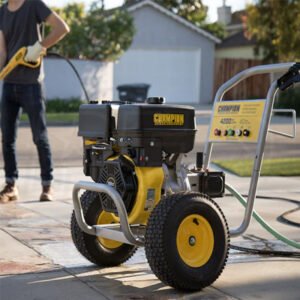
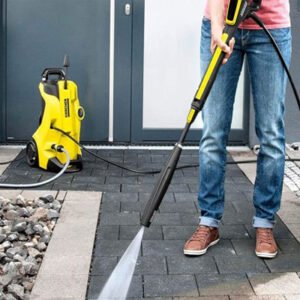
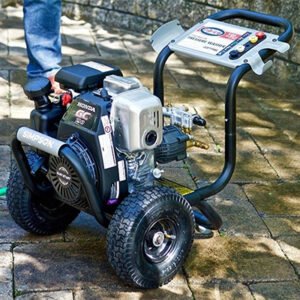
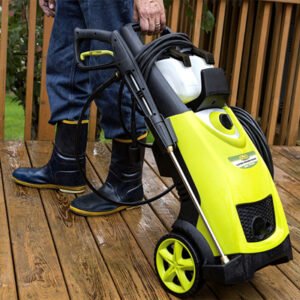


Choosing among the best pressure washers in Canada requires more than comparing the highest pressure rating on a product box. A suitable machine should match the cleaning task, water supply, power source, operating environment, storage space and accessories you are likely to use. A compact electric pressure washer can be practical for patios, vehicles and outdoor furniture, while a more powerful model may be better suited to larger driveways, decks and demanding exterior cleaning.
For Canadian buyers, seasonal use is another important consideration. A pressure washer may spend several months in storage, so construction quality, hose connections, pump protection, drainage and ease of winter storage deserve attention alongside cleaning performance. The right choice is therefore not necessarily the machine with the greatest PSI. It is the model that delivers an appropriate balance of pressure, water flow, handling, durability and convenience for your actual workload.
Two specifications appear repeatedly when comparing pressure washers: PSI and GPM. Understanding both helps prevent a common buying mistake: choosing a machine solely because it advertises a high pressure figure.
PSI describes the pressure produced by the washer. Higher pressure can help remove stubborn dirt, mud, algae, embedded grime and other contaminants from suitable hard surfaces. However, excessive pressure can damage delicate materials, strip finishes or force water into areas where it does not belong.
For many household applications, usable pressure and control matter more than pursuing the maximum advertised PSI. The nozzle selected, distance from the surface and cleaning technique can substantially affect the result.
GPM describes water flow. A higher flow rate can move loosened dirt away more quickly and may make larger cleaning jobs more efficient. Two machines with similar PSI ratings can therefore provide noticeably different practical performance if their flow rates differ.
When comparing models, consider PSI and GPM together rather than treating either figure as the complete definition of cleaning power.
A pressure washer with an impressive maximum PSI rating may not be the best choice for every task. Maximum pressure can represent a peak specification rather than the pressure you will consistently use during ordinary cleaning. A machine with well-matched pressure, water flow, nozzle selection and accessories can be more useful than one designed around a headline number.
The power source is one of the first major decisions when comparing pressure washers. Electric and gas-powered machines serve different types of users and cleaning requirements.
Electric pressure washers are often convenient for household cleaning. They generally avoid fuel storage and engine maintenance and can be easier to start. Their suitability depends on access to an appropriate electrical supply and the intended workload.
Gas pressure washers can be attractive when greater mobility and sustained outdoor operation are priorities. They do not depend on an extension cord during operation, although they require fuel and additional engine-related care.
Cordless models occupy a different niche. They can provide additional portability where mains electricity is inconvenient, although runtime, battery capacity, water supply and charging requirements need to be considered carefully. Battery-platform compatibility can also be valuable if you already own compatible tools from brands such as DEWALT, Milwaukee, Makita or Ryobi.
Vehicle cleaning usually benefits from controlled pressure rather than maximum force. A suitable washer should work effectively with an appropriate nozzle or adjustable spray pattern and should allow you to maintain a safe distance from paint, trim, seals and delicate components.
A foam cannon or detergent-compatible system can also be useful for applying cleaning solution before rinsing. Always verify that the accessory is compatible with the particular pressure washer connection.
Concrete and other hard outdoor surfaces can tolerate more aggressive cleaning than delicate painted surfaces, but technique still matters. A surface cleaner attachment can help produce a more consistent result across larger flat areas and may reduce visible streaking compared with repeatedly sweeping a narrow spray across the surface.
Wood requires greater caution. Excessive pressure can damage fibres, create visible marks and remove surface material. Start with a wider spray pattern, maintain a reasonable distance and use the lowest effective pressure. Test an inconspicuous section before cleaning the entire surface.
Patio furniture, plastic surfaces and outdoor accessories can often be cleaned with a compact pressure washer, but their materials vary significantly. Painted surfaces, cushions, seals and delicate finishes may require gentler methods than concrete or masonry.
Pressure washing siding requires careful control. Water can enter gaps, vents, seams and vulnerable areas if the spray is directed incorrectly. Use an appropriate nozzle and work methodically. Follow the material manufacturer's cleaning recommendations whenever available.
For garage floors and workshops, water flow can be particularly useful for moving loosened dirt. Before using a pressure washer indoors or in an enclosed area, consider drainage, ventilation, electrical safety and manufacturer restrictions. Many pressure washers are primarily designed for outdoor operation.
Nozzle selection has a major influence on cleaning performance. Different spray patterns distribute water differently, changing both cleaning intensity and coverage.
A powerful nozzle used too close to a surface can cause damage. Cleaning effectiveness comes from combining appropriate pressure, spray angle, distance, movement and cleaning solution rather than simply selecting the most aggressive option.
A pressure washer can only perform as intended when its water supply is suitable. Before purchasing, check the manufacturer's requirements for inlet water flow, hose diameter, connection type and maximum inlet temperature.
Insufficient water supply can affect performance and may place unnecessary stress on the pump. Garden hoses, connectors and outdoor taps should therefore be considered part of the overall setup rather than separate afterthoughts.
Check the inlet connection and recommended hose specifications. A poorly matched hose or restrictive connection can make setup frustrating and may reduce the amount of water reaching the machine.
Some pressure washers may support alternative water sources, while others are designed specifically for connection to a pressurized tap. Never assume a washer can draw water from a bucket, rain barrel or tank. Verify this capability in the manufacturer's specifications before purchasing or attempting an alternative setup.
The pump is central to pressure washer operation because it pressurizes the incoming water. Pump construction, serviceability and the manufacturer's recommended maintenance procedures can influence long-term ownership.
When comparing products, look beyond marketing terminology. Examine the manufacturer's specifications, maintenance instructions and warranty information. A clearly documented maintenance schedule can be more useful than an isolated claim about pump durability.
Maintenance varies by pressure washer design. Depending on the model, recommended care may include checking connections, cleaning filters, inspecting hoses, following pump-care procedures and servicing an engine on gas-powered equipment.
Always follow the manufacturer's instructions because maintenance requirements can differ substantially between models.
Hose length can have a direct effect on convenience. A longer hose may reduce the need to move the pressure washer repeatedly, while a shorter hose can make storage simpler. Consider the size of the area you normally clean and where the machine will be positioned.
Portability also matters. Look at wheel design, handle placement, machine weight and how easily the washer can be moved across the surfaces where you intend to use it.
Compact pressure washers are attractive when storage space is limited. They can be easier to carry and may be appropriate for cars, balconies, small patios, outdoor furniture and occasional household cleaning.
Larger machines can make sense when cleaning areas such as extensive driveways, large decks or substantial exterior surfaces. The trade-off may include greater weight, storage requirements and operating complexity.
The included accessories can significantly change the usefulness of a pressure washer. When comparing products, inspect the complete package rather than comparing the main machine alone.
Not every accessory is necessary. A buyer who primarily cleans vehicles may value detergent and foam attachments, while someone cleaning large concrete surfaces may prioritize a surface cleaner.
Build quality should be assessed as a collection of components rather than by one material label. Examine the housing, wheels, handle, hose connections, fittings, wand and storage system.
Metal components can provide a different level of rigidity from lightweight plastic components, but material alone does not determine overall durability. Design, manufacturing quality, maintenance and operating conditions also matter.
The hose should be long enough for your intended work and rated for the pressure washer. Inspect its flexibility, connection points and storage arrangement. Avoid using an unapproved hose simply because its physical connector appears to fit.
Quick-connect systems can make nozzle changes easier, but compatibility matters. Before purchasing additional accessories, verify the fitting type and pressure rating required by the washer.
More pressure is not automatically better. Delicate surfaces may require lower pressure, and excessive force can cause damage. Choose performance according to the materials you clean.
Focusing only on PSI can result in an incomplete comparison. Water flow contributes to rinsing and cleaning efficiency, especially on larger surfaces.
A large, powerful washer may be unnecessary for occasional vehicle or patio cleaning. Extra capacity can also mean greater weight, storage requirements and operating complexity.
At the other extreme, a compact unit may become frustrating if it is routinely expected to clean large areas or heavily contaminated surfaces. Match the machine to your workload.
Check the inlet requirements before purchasing. A pressure washer cannot compensate indefinitely for an inadequate water supply.
Canadian winters make storage especially important. Water left inside components can create problems when temperatures fall below freezing. Follow the manufacturer's winterization and storage instructions rather than improvising.
Nozzles, hoses, foam cannons and surface cleaners may use different connection systems and pressure ratings. Confirm compatibility before ordering additional accessories.
A structured comparison makes it easier to identify the model that fits your needs rather than simply selecting the product with the most impressive specifications.
Entry-level models can be suitable for buyers with occasional cleaning requirements. They may make sense for vehicles, small patios, outdoor furniture and routine household tasks where portability is more important than maximum performance.
Mid-range machines can provide a useful balance between capability and convenience. Buyers should compare pump specifications, accessories, hose management, construction and intended workload rather than assuming that a higher purchase price automatically means better suitability.
Heavy-duty machines are better considered by buyers with frequent or demanding cleaning requirements. Before choosing one, make sure the available water supply, storage area and power source are appropriate.
For many Canadian households, convenience can be as important as raw cleaning power. Useful features may include compact storage, easy hose management, quick-connect accessories, onboard detergent storage, stable wheels and a comfortable handle.
For seasonal use, storage design deserves special attention. A machine that is difficult to drain, protect and store may become inconvenient even if its cleaning performance is strong.
Pressure washers should be treated as powerful cleaning equipment, not ordinary garden hoses. The concentrated water stream can injure skin and damage surfaces.
Detergent can help loosen grime before high-pressure rinsing. However, compatibility is important. Use only cleaning products and application methods permitted by the pressure washer manufacturer and the surface manufacturer.
Allowing detergent to dry on a surface can create additional cleaning problems. Work in manageable sections and consider weather conditions, sunlight and temperature when using cleaning solutions outdoors.
Spring is a common time to remove accumulated dirt from patios, walkways, outdoor furniture, siding and other exterior surfaces. Inspect the area first for loose materials, damaged surfaces and winter-related deterioration.
Summer cleaning often focuses on decks, patios, vehicles and outdoor entertaining areas. Hot weather can cause detergents to dry quickly, so working in smaller sections may provide better control.
Autumn can be a useful time to clean outdoor areas before extended storage. Remove leaves and organic debris before pressure washing, and check surfaces for damage that should be repaired rather than aggressively cleaned.
Before storing a pressure washer in a cold environment, follow the manufacturer's exact storage and winterization instructions. Water remaining inside the pump, hose or fittings can be problematic when exposed to freezing temperatures. Store the equipment in accordance with the manufacturer's temperature and moisture recommendations.
Brand reputation can be a useful starting point, but it should not replace model-level comparison. Established names commonly encountered in the pressure washer market include Kärcher, Greenworks, Ryobi, DEWALT, Simpson, Sun Joe, Westinghouse, Craftsman and Generac.
Different brands offer different product ranges, power sources, accessory systems and intended applications. A brand that is suitable for one buyer's needs may not offer the best match for another buyer. Compare the exact model specifications, accessories, support documentation and warranty terms before making a decision.
Customer reviews can provide useful ownership information, but they should be interpreted carefully. Look for repeated comments rather than relying on a single extremely positive or negative review.
A strong overall choice combines appropriate cleaning performance with practical ownership. The ideal model should provide enough pressure and water flow for your typical tasks without making routine cleaning unnecessarily difficult.
For many buyers, the most valuable characteristics include dependable operation, sensible weight, useful accessories, manageable storage, suitable hose length and straightforward controls. The best pressure washer is therefore the one that fits the complete cleaning routine rather than the one with the biggest specification printed on the packaging.
The best pressure washer for home use depends on the surfaces, cleaning frequency and available power and water supply. A compact electric model can be suitable for lighter household tasks, while larger electric or gas machines may make more sense for extensive outdoor cleaning.
No. Higher pressure can improve cleaning on suitable durable surfaces, but excessive pressure can damage wood, paint, siding, vehicles and other sensitive materials. Choose controllable performance appropriate for the surface.
Both matter. PSI describes pressure, while GPM describes water flow. Comparing them together gives a more useful picture of practical cleaning capability.
Some electric pressure washers can be suitable for driveway cleaning, depending on the machine's specifications, the driveway material, the level of contamination and the size of the area. A surface-cleaner attachment may also be worth considering for larger flat surfaces.
Yes, pressure washers can be useful for vehicle cleaning when used correctly. Select an appropriate spray pattern, maintain a safe distance and avoid directing concentrated spray toward vulnerable seals, electrical components, damaged paint or other sensitive areas.
Pressure washing can be used on some wooden decks, but it requires careful technique. Excessive pressure can damage wood fibres and create visible marks. Use the lowest effective pressure and test a small inconspicuous area first.
Yes. Maintenance depends on the model and power source. Follow the manufacturer's instructions for cleaning, inspection, storage, pump care and engine maintenance where applicable.
Follow the manufacturer's winterization instructions carefully. The machine should be prepared for cold-weather storage according to its design, with particular attention to water remaining in internal components, hoses and fittings.
No. Connection systems, pressure ratings and compatibility can vary. Check the exact specifications of the pressure washer before purchasing replacement or additional accessories.
A detergent system can be useful if you regularly wash vehicles, patios, siding or other surfaces where cleaning solution is appropriate. However, the feature is not essential for every user, particularly if most jobs involve simple water rinsing.
Cordless models can be useful where portability is important or access to mains electricity is limited. Buyers should compare battery runtime, charging requirements, water-source options and compatibility with their existing battery platform.
When comparing the best pressure washers in Canada in 2026, avoid making the decision from a single specification or headline rating. Start with your cleaning tasks, then work backward to the pressure, water flow, power source, accessories and portability you actually require.
Compare exact model numbers, read current verified customer reviews and check manufacturer specifications before purchasing. Pay particular attention to water-supply requirements, hose and nozzle compatibility, maintenance procedures and winter storage. Brands such as Kärcher, Greenworks, Ryobi, DEWALT, Simpson, Sun Joe, Westinghouse, Craftsman and Generac provide useful starting points for comparison, but the individual model should always be evaluated on its own specifications.
For an independent purchase decision, compare today's prices from trusted Canadian retailers, review the latest product documentation and confirm warranty terms before ordering. A pressure washer that matches your surfaces, workload and storage conditions will generally be a more practical investment than a machine selected simply because it has the highest advertised PSI.