

♥ Wishlist
We analyzed 27 of the most popular Leaf Blowers available in ca. Compare features, customer reviews, ratings, and expert recommendations to help you choose the best option in 2026.
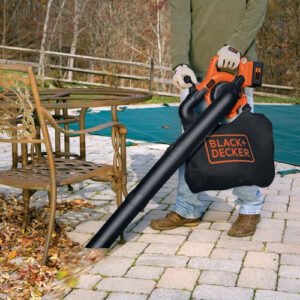
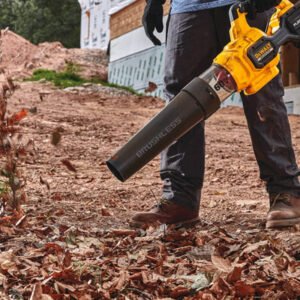
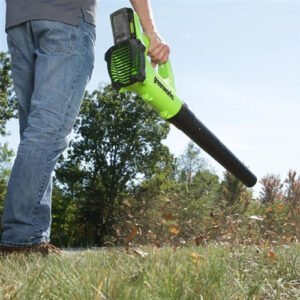

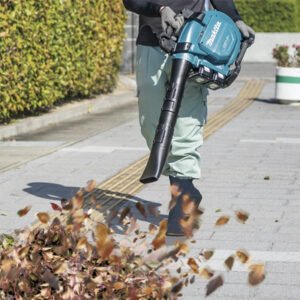


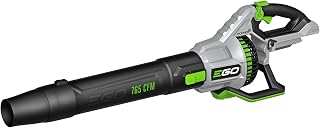


Choosing one of the best leaf blowers in Canada requires more than comparing air speed or a headline power rating. Canadian yards can present very different conditions, from dry autumn leaves on paved driveways to damp leaves packed into grass, garden beds and corners. A blower that works well for light residential cleanup may not be the right choice for a larger property, while a high-powered model can be unnecessary for a small urban yard.
This guide focuses on the specifications and practical characteristics that matter when comparing leaf blowers in 2026. Consider airflow, air speed, power source, battery platform, runtime, weight, noise, controls, tube design, charging requirements and the type of debris you expect to move. Product specifications and availability can change, so check the latest manufacturer information and retailer listings before purchasing.
The right leaf blower depends primarily on the size of your property, the material you need to move and how frequently you expect to use the machine. A compact cordless blower can be convenient for patios, decks and small lawns. Larger properties may benefit from a more powerful cordless, corded or gas-powered design.
Two of the most important specifications are cubic feet per minute (CFM) and miles per hour (MPH). Air speed describes how quickly air exits the blower, while CFM indicates how much air the machine moves. Neither figure should be considered in isolation.
A high MPH figure can help loosen stubborn material, but strong airflow is particularly useful when moving larger quantities of leaves across a lawn or driveway. For general yard cleanup, look for a balanced combination of airflow and air speed rather than choosing a machine solely because it advertises the highest MPH.
CFM, or cubic feet per minute, measures airflow volume. A blower with higher CFM can move a larger amount of material when conditions are suitable. This can be valuable when clearing substantial piles of leaves or covering a larger area.
However, published specifications may be measured under particular test conditions. Real-world performance can vary according to the nozzle configuration, battery charge, debris weight, surface and weather conditions.
MPH represents the velocity of the air leaving the blower. Higher air velocity can help dislodge leaves from grass, cracks, corners and other areas where debris is not moving easily.
A blower with a very high air speed but relatively modest airflow may not necessarily outperform a model with a lower advertised MPH and substantially greater airflow. For this reason, compare both specifications together.
Cordless leaf blowers are increasingly attractive for residential users because they eliminate extension cords and provide freedom of movement around gardens, driveways and walkways. Most modern cordless models use lithium-ion battery systems, often sharing batteries with other tools from the same manufacturer.
Battery voltage provides an indication of the electrical system used by a tool, but it does not by itself determine performance. Battery capacity, commonly expressed in amp-hours (Ah), is also important because larger-capacity batteries can provide more stored energy.
Runtime depends on several factors, including operating speed, trigger use, battery capacity, temperature and the condition of the battery. Running a blower continuously at maximum output will generally consume energy faster than using variable-speed control for lighter cleanup.
A shared battery platform can make cordless tools more practical. If you already own compatible tools from brands such as DeWalt, Milwaukee, Makita, Bosch, Ryobi, EGO, Greenworks or WORX, check whether the leaf blower uses the same battery family.
This can reduce the need to maintain separate chargers and battery systems. Compatibility should always be confirmed by checking the exact product range because batteries are not automatically interchangeable between different voltage families or manufacturers.
A powerful cordless blower is useful only if its battery provides enough operating time for your normal cleanup. For a small property, a compact battery may be sufficient. Larger lawns or extensive leaf accumulation can justify keeping an additional charged battery available.
When comparing models, examine whether the listed configuration includes a battery and charger. Some tools are sold as bare tools, meaning the battery and charger must be purchased separately.
Corded electric blowers remain a practical option when an electrical outlet is readily accessible. They do not require battery charging and can provide consistent power during use.
The main limitation is mobility. An extension cord can restrict movement and requires careful management around landscaping, fences, water and other obstacles. Always use an appropriate outdoor-rated extension cord and follow the blower manufacturer's instructions.
Gas-powered blowers can provide substantial power and extended operation when fuel is available, making them relevant for larger properties and demanding outdoor work. They also introduce additional considerations such as fuel storage, engine maintenance, starting procedures, exhaust and noise.
Cordless electric models generally offer simpler operation, while corded models avoid battery limitations but require access to electricity. For many homeowners, the choice comes down to convenience, property size, expected workload and local restrictions.
Before purchasing a gas-powered blower, check municipal or provincial regulations that may affect the use of outdoor power equipment in your area. Noise restrictions can vary by location.
Handheld models are the most common choice for homeowners. They are generally easier to carry and maneuver than backpack units. Their compact design makes them suitable for clearing patios, walkways, driveways, lawns and smaller properties.
Backpack blowers distribute the machine's weight across the user's back and shoulders. This design can be useful when clearing large areas or working for longer periods.
A backpack blower can be excessive for small cleanup jobs, so consider whether its additional capacity and carrying system are actually beneficial for your property.
Compact blowers are useful for light-duty tasks such as removing grass clippings from sidewalks, clearing leaves from decks and cleaning dust or debris from outdoor areas. Their lower weight can be an advantage when the blower is used frequently for short periods.
Variable-speed control gives you greater control over airflow. Lower settings can be useful around flower beds, gravel and delicate landscaping because they reduce the chance of scattering material unnecessarily.
Higher settings are useful when moving heavier or wet debris. A turbo or boost function can provide additional airflow temporarily, although frequent maximum-output operation can increase battery consumption.
The shape and configuration of the blower tube can influence how easily air reaches the material being cleared. Narrower nozzles can concentrate airflow, while wider openings can help distribute air across a broader area.
Some models include interchangeable nozzles or extension tubes. These accessories can make the blower more adaptable to different tasks. Check how securely accessories attach and whether they can be removed without tools.
Weight is especially important because a blower is normally carried while operating. A model that appears manageable on paper can become tiring when used continuously.
Pay attention to the position of the battery, handle shape, trigger placement and overall balance. A well-balanced blower can feel easier to control than a heavier machine with an awkward centre of gravity.
Some blowers are designed primarily for one-handed operation, while larger machines may encourage two-handed handling. The best choice depends on the blower's weight, output and your intended workload.
Noise is an important consideration when selecting outdoor power equipment. Electric blowers are often chosen by homeowners who want a simpler alternative to gas-powered equipment, but electric does not mean silent.
Check the manufacturer's published sound information where available and consider when and where you will operate the machine. Also review local noise bylaws before using a blower in a residential area.
Wet leaves are significantly more difficult to move than dry leaves. They can stick to grass, pavement and each other, increasing the amount of airflow required.
If your property regularly experiences wet autumn conditions, prioritize strong airflow and practical control rather than focusing exclusively on maximum advertised air speed. A blower can loosen wet material, but very heavy or compacted debris may still require manual raking or another cleanup method.
Use moderate airflow when clearing leaves from grass, especially around young plants or landscaped areas. Excessive airflow can scatter leaves into areas that have already been cleaned.
Paved surfaces are generally straightforward to clear because leaves have less resistance than they do on grass. Airflow can be directed into a manageable pile before collection.
Gravel requires more control. High airflow can move small stones along with leaves. A variable-speed trigger is particularly useful because it allows the operator to adjust airflow according to the surface.
Garden beds require careful handling. Strong airflow can disturb mulch, soil and lightweight landscaping materials. Start with a low setting and increase output only when necessary.
Some outdoor machines combine blowing and vacuuming functions. A blower-vac can collect leaves into a bag and may also include a mulching function.
This configuration can be useful when you want to collect debris rather than simply move it. However, the additional components can increase weight and complexity. If your primary task is moving leaves into a pile, a dedicated blower may be simpler.
Mulching systems reduce the volume of collected leaves by cutting them into smaller pieces. This can make bagged material easier to manage and may be useful for composting or garden applications when the resulting material is appropriate for that purpose.
Check the manufacturer's instructions for acceptable materials and safe operating procedures. Never assume a blower-vac is designed to process every type of yard debris.
A very high air-speed figure can look impressive, but it does not provide a complete picture of performance. Always compare air speed and airflow together.
A bare cordless tool may initially appear less expensive, but the complete system can require a compatible battery and charger. Compare the total setup rather than the tool-only price.
Extra power can mean additional weight, cost, noise or battery consumption. A compact blower may be more convenient if you only need to clear a small deck or driveway.
Do not overlook ergonomics when comparing specifications. A blower that is difficult to hold comfortably may be frustrating even if its performance specifications are strong.
Noise and outdoor equipment regulations can vary between municipalities. Confirm applicable rules before purchasing or operating a blower.
Brand reputation can be useful when comparing cordless outdoor power equipment because battery ecosystems, replacement batteries, chargers and accessories can influence long-term ownership. Brands commonly encountered in the Canadian market include DeWalt, Milwaukee, Makita, Bosch, Ryobi, EGO, Greenworks, WORX, Toro, Husqvarna and STIHL.
Brand alone should not determine the purchase. Compare the specific model, motor design, airflow, battery platform, ergonomics, included accessories and intended application.
DeWalt is well known for its cordless power-tool ecosystem. Buyers already using compatible DeWalt batteries may find a compatible blower attractive because the same battery platform can potentially support multiple tools. Confirm exact battery compatibility for the blower under consideration.
Milwaukee offers cordless equipment within its broader battery ecosystem. Its blowers can be particularly relevant to users who already own compatible Milwaukee tools. Compare the specific model's airflow, battery requirements and operating characteristics.
Makita has an extensive cordless tool ecosystem, making its outdoor equipment relevant to users who already use compatible batteries. When comparing models, pay attention to the exact voltage platform and battery configuration.
EGO focuses heavily on battery-powered outdoor equipment. Its product range is worth considering when the primary requirement is cordless yard maintenance. Compare battery capacity, airflow, runtime expectations and tool weight across individual models.
Greenworks offers a broad range of battery-powered outdoor equipment. Its shared battery approach can be useful for homeowners who want multiple compatible lawn and garden tools. Check the exact battery platform before purchasing.
Ryobi's extensive cordless ecosystem can be attractive for homeowners who want one battery family for multiple tools. When comparing a Ryobi blower, consider whether the selected package includes the battery and charger or is sold as a bare tool.
WORX offers compact outdoor power equipment aimed at residential applications. Its smaller blowers can be worth considering for users who prioritize maneuverability and convenient storage.
Toro, Husqvarna and STIHL are established names in outdoor power equipment. Their product ranges cover different types of yard-maintenance equipment, so compare individual blower specifications rather than assuming all models from a particular brand are designed for the same workload.
For a small yard, patio or driveway, prioritize low weight, easy controls, convenient storage and sufficient airflow. A compact cordless model may provide a good balance between mobility and performance.
There is little benefit in choosing a large commercial-style blower if the primary jobs involve moving a small quantity of dry leaves and grass clippings.
Large properties typically benefit from higher airflow, longer runtime and comfortable ergonomics. A backpack design can be worth considering when extended clearing is expected.
Cordless users should also consider whether they need multiple batteries. If the property requires frequent autumn cleanup, battery availability can be as important as the blower's peak output.
A lightweight handheld blower is usually sufficient for clearing leaves, grass clippings and light debris from hard surfaces. Variable-speed control can make it easier to gather debris into a controlled pile without scattering it across the property.
Heavy autumn cleanup requires more than a convenient handheld design. Consider airflow, battery capacity, operating duration, ergonomics and the ability to handle damp leaves. If the cleanup area is extensive, a backpack model may reduce fatigue compared with carrying a heavier handheld machine for prolonged periods.
Start at the edge of the area and work in a consistent direction. Rather than chasing individual leaves, use the blower to gradually move debris toward a central collection area.
Keep the nozzle relatively close to the ground while maintaining enough distance to avoid unnecessary turbulence. On lawns and garden beds, begin with lower airflow and increase power as required.
When clearing a large driveway, divide it into sections. This approach reduces repeated passes and makes it easier to control where the leaves accumulate.
Wear suitable eye protection when operating a blower because small stones, sticks and other debris can become airborne. Hearing protection may also be appropriate depending on the machine's noise level and duration of use.
Keep people and pets away from the immediate work area. Avoid directing airflow toward roads, vehicles, windows or other people. Never use a blower to move hazardous substances or materials that the manufacturer does not permit.
For cordless models, inspect batteries for visible damage and follow the manufacturer's charging and storage instructions. Use only compatible chargers and batteries.
Remove accumulated leaves, dust and debris from the exterior and air-intake areas according to the manufacturer's instructions. Keeping the machine clean can make inspection easier and help identify potential problems early.
Check the blower tube and nozzle for cracks, blockages or damage. A damaged attachment should be replaced according to manufacturer guidance rather than improvised with unsuitable materials.
Battery care depends on the specific battery chemistry and manufacturer's recommendations. Follow the supplied instructions for charging, storage, temperature and transportation. Avoid using a visibly damaged battery.
Gas blowers require additional engine maintenance. Follow the manufacturer's schedule for fuel, air filters, spark plugs and other serviceable components. Store fuel only in appropriate containers and according to applicable safety requirements.
Dry leaves are generally easier to move than wet leaves. Cold temperatures can also affect battery performance, making battery management particularly relevant for Canadian users during colder seasons.
Wind direction matters as well. Working against strong natural wind can make cleanup slower and less controlled. Whenever practical, use the wind direction to help move leaves toward the intended collection area.
A leaf blower saves physical effort when moving loose debris over larger areas, while a rake provides greater control and does not require fuel, electricity or battery power. Many homeowners can benefit from using both tools for different tasks.
A blower is particularly convenient for driveways, patios and large open spaces. A rake can be better around delicate plants, tightly packed leaves and areas where precise collection is required.
A conventional blower moves debris from one location to another. A leaf vacuum collects debris directly into a bag or container. If you need to remove leaves from the property, a vacuum function can be useful. If you mainly want to gather leaves into piles for later collection, a blower may be simpler.
For many homeowners, cordless models offer a strong combination of mobility and convenience. They are particularly attractive when an outdoor power-tool battery platform is already available.
The main considerations are battery runtime, replacement battery cost, charging time and the workload expected from the machine. Buyers with large properties should assess whether one battery provides enough practical operating time or whether additional batteries are necessary.
Look beyond the initial purchase price. The total ownership cost can include batteries, chargers, replacement accessories and, for gas models, fuel and maintenance.
A lower-priced blower may be the better choice for occasional light cleanup, while a more capable model may provide better practical value for frequent heavy use. The best value depends on matching the machine to the workload rather than selecting the cheapest or most powerful option.
There is no single best leaf blower for every Canadian homeowner. The right choice depends on property size, debris type, required runtime, preferred power source, acceptable weight and budget. Compare the specifications of individual models against your actual workload.
Both matter. CFM describes airflow volume, while MPH describes air velocity. A balanced combination is generally more useful than choosing a blower based on either specification alone.
Some cordless models can handle damp leaves, but wet debris is more difficult to move than dry material. Higher airflow and appropriate operating technique can help, but performance varies by model and conditions.
Runtime varies according to battery capacity, blower model, operating speed, temperature and workload. Maximum-power operation generally consumes more energy than intermittent use at lower settings. Check manufacturer runtime information for the exact model.
If you do not already own a compatible battery system, a kit containing the battery and charger can simplify the purchase. If you already have compatible batteries, a bare tool may be more practical. Always verify compatibility.
A backpack blower can be advantageous for larger properties and longer operating sessions because the carrying system distributes the machine's weight. A handheld blower is often more convenient for smaller jobs.
It can, but wet leaves are heavier and tend to stick together. Stronger airflow and patience may be required. Very compacted or saturated debris may need to be loosened manually first.
Electric blowers can offer different noise characteristics from gas-powered machines, but noise varies considerably by model and operating speed. Check the manufacturer's published specifications and local requirements.
A compact handheld blower is often sufficient for a small lawn, patio, deck or driveway. Focus on low weight, controllability and adequate airflow rather than purchasing the most powerful model available.
Prioritize airflow, runtime, battery capacity, ergonomic design and overall operating comfort. A backpack model can be worth considering for extensive properties and prolonged use.
Many manufacturers offer shared battery ecosystems. However, compatibility depends on the exact platform, voltage and product family. Check the manufacturer's compatibility information before assuming two tools can share a battery.
Choose a blower if your primary task is moving leaves into piles. A blower-vac may be preferable when collecting and reducing the volume of leaves is more important. Consider the additional weight and complexity of combination machines.
The best leaf blower is the one whose performance, power source and ergonomics match the work you actually need to do. For small Canadian properties, a lightweight cordless or corded model may provide all the capability required. Larger properties can justify higher airflow, larger batteries or a backpack configuration.
Before making a final decision, compare the exact model specifications, battery configuration, included accessories, operating weight and current retailer pricing. Read verified customer reviews for recurring comments about usability, runtime and durability, but distinguish individual experiences from manufacturer specifications.
Most importantly, do not choose a leaf blower based on one impressive number. CFM, MPH, battery capacity, runtime, weight, controls and intended application all contribute to real-world usefulness. A carefully matched machine can make seasonal yard cleanup considerably more manageable while avoiding the cost and inconvenience of buying equipment that is unnecessarily large or underpowered for the job.