

♥ Wishlist
We analyzed 3 of the most popular Cordless Metal Shears for Precise Sheet-Metal Cutting available in ca. Compare features, customer reviews, ratings, and expert recommendations to help you choose the best option in 2026.
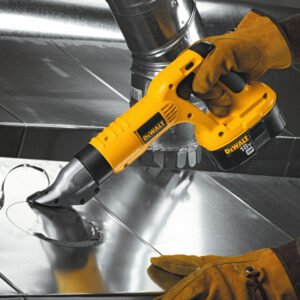
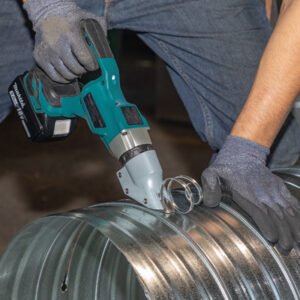
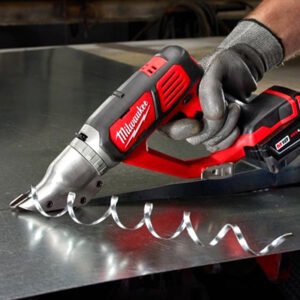

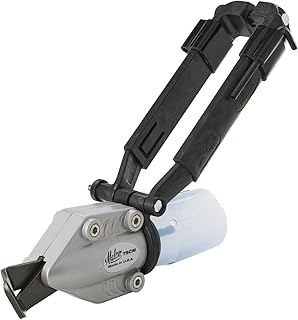
Choosing cordless metal shears is less about finding the tool with the highest advertised speed and more about matching the cutting mechanism, material capacity, battery platform, ergonomics and intended workload. A tool that is excellent for occasional sheet-metal trimming may not be the right choice for continuous fabrication, roofing work, HVAC installation or heavier-gauge steel.
For Canadian buyers, the decision also involves battery availability, charger compatibility, cold-weather considerations, warranty terms, replacement accessories and the practical availability of consumables. Major professional platforms from brands such as Milwaukee, DeWalt, Makita, Bosch and Metabo HPT can be attractive because users who already own compatible batteries may avoid buying another battery ecosystem.
Before choosing a model, identify the materials you expect to cut, the maximum thickness you regularly encounter, how much curved or straight cutting you perform, and whether portability matters more than maximum cutting capacity. Comparing those factors against the manufacturer's specifications is more useful than relying on a single headline feature.
Cordless metal shears use a powered cutting mechanism to separate sheet metal without requiring the repeated hand force associated with manual aviation snips or other hand tools. Depending on the design, the cutting head may use reciprocating blades, offset blades or a punch-and-die arrangement. Each approach behaves differently when making straight cuts, curves, notches and intricate shapes.
Traditional powered shears generally remove a narrow strip or produce a relatively clean separation through the sheet. Nibblers work differently: a punch repeatedly enters and exits a die, creating a series of small cuts. A nibbler can be particularly useful where manoeuvrability and tight curves are important, while conventional shears can be preferable when minimizing material waste is a priority.
The right tool therefore depends on the job rather than on the generic label “metal shear.” Buyers should examine the cutting technology and its stated material limits before comparing models.
The principal advantage of a cordless model is freedom of movement. There is no extension cord to route around scaffolding, ladders, workpieces or machinery, which can make a significant difference on installation sites and during mobile repair work.
Corded tools can still make sense for users who work primarily at a bench or in a workshop and have continuous access to electrical power. They eliminate battery charging and may be preferable for extended cutting sessions where uninterrupted operation is more important than mobility.
One of the most common purchasing mistakes is treating every powered metal-cutting tool as interchangeable. They are not.
Shears are designed to cut sheet material through a powered shearing action. They can be effective for long cuts and common fabrication or installation tasks. Their suitability depends heavily on the blade configuration and manufacturer's rated capacity.
Nibblers remove small amounts of material through repeated punching action. They can offer excellent control around curves, corners and openings. The trade-off is that the cutting process produces small metal chips or slugs, which must be managed safely.
A grinder or cut-off tool uses an abrasive or cutting disc rather than a shear mechanism. It can be extremely versatile, but the resulting cut, heat generation, sparks and material removal are different from those of dedicated shears. If clean sheet-metal work is the primary objective, a dedicated cutting tool may be more appropriate.
Manual snips remain valuable for short cuts, occasional work and situations where a powered tool would be excessive. They are inexpensive compared with cordless power tools and do not require batteries, but repeated cutting can be physically demanding.
Maximum cutting capacity is one of the most important specifications, but it should not be interpreted as a universal rating for every metal. A manufacturer may provide different capacities for mild steel, stainless steel, aluminium or other materials.
Do not assume that a shear rated for a particular thickness of mild steel can safely or effectively cut the same thickness of stainless steel. Always compare the specific material and gauge listed in the manufacturer's documentation.
Cutting speed can influence productivity, especially when making long cuts. However, a higher stated speed does not automatically make one tool superior. Cutting speed can vary with material thickness, hardness, battery charge, blade condition, operator technique and the complexity of the cut.
If your work involves curves, the minimum cutting radius deserves as much attention as straight-line speed. A tool designed primarily for straight cuts may be less convenient when following tight contours.
Blade geometry affects cut quality, manoeuvrability and consumable life. Buyers should investigate whether blades can be replaced, whether replacement blades are readily obtainable, and whether the tool requires model-specific components.
For reciprocating cutting mechanisms, strokes per minute provide an indication of operating speed. The number alone should not be used to predict real-world productivity because cutting performance depends on the complete mechanism and the material being cut.
Voltage should be considered alongside the entire battery system rather than as a standalone measure of performance. A compact tool using a smaller battery may be easier to manoeuvre, while a larger platform may provide a different balance between runtime, power and tool weight.
For Canadian buyers already invested in a battery ecosystem, platform compatibility can be particularly important. A compatible bare tool may be more practical than starting a completely new battery and charger system, provided the existing platform offers a suitable shear or nibbler.
Weight matters more during overhead work, repetitive trimming and prolonged installation tasks than it does during occasional bench work. Consider the complete operating weight, including the battery, rather than comparing bare-tool specifications alone.
Look for a handle arrangement that allows controlled pressure without forcing the wrist into an awkward position. Trigger placement, grip circumference, balance around the cutting head and visibility of the cutting line can all affect practical usability.
A cordless metal shear is only part of a battery-powered tool ecosystem. Buyers should consider whether the required battery and charger are included and, if not, whether the bare-tool configuration makes sense for their existing equipment.
Popular Canadian professional tool ecosystems include Milwaukee M18, DeWalt 20V MAX, Makita 18V LXT and Bosch 18V platforms. Compatibility should always be verified for the exact model because battery families can contain multiple generations and tool-specific requirements.
Mild steel is a common target for powered sheet-metal shears. Even here, the maximum thickness varies substantially between tools. If your normal work is near the stated maximum, selecting a model with additional capacity can provide a more comfortable operating margin.
Stainless steel is generally more demanding than ordinary sheet steel. It can require a tool specifically rated for stainless applications, and cutting capacity may be lower than the equivalent mild-steel rating. Verify the manufacturer's stainless-steel specification before purchase.
Aluminium is lighter and behaves differently during cutting. Some tools offer a higher aluminium capacity than their steel rating, while others may have material-specific limitations. If aluminium sheet is a major part of your workload, use the manufacturer's aluminium rating rather than assuming the steel specification applies.
Galvanized, painted and coated materials can introduce additional considerations. Cutting may affect the coating along the cut edge, and the workpiece may require appropriate finishing or corrosion protection afterward. The coating should not be treated as evidence that a tool is suitable for a particular thickness.
A useful metal shear should produce predictable cuts without excessive distortion for the applications it is designed to handle. Edge quality depends on blade condition, material thickness, cutting technique and the design of the cutting head.
When comparing tools, consider whether the cut needs to be cosmetically clean or whether the edge will be hidden, folded, deburred or otherwise finished. A tool optimized for speed may not necessarily produce the preferred result for precision fabrication.
For visible architectural metalwork or parts requiring tight dimensional tolerances, cutting equipment should be selected as part of the complete fabrication process rather than judged by speed alone.
Think about the geometry of your typical work before choosing a tool. Long straight cuts place different demands on a shear than circular openings, short notches or irregular contours.
Runtime is affected by material thickness, cutting resistance, battery capacity, battery condition, operating temperature and the amount of continuous cutting. Manufacturers may provide runtime information under particular conditions, but actual job-site performance can vary.
For demanding workloads, having a second compatible battery can be more practical than choosing a tool solely because of a theoretical runtime figure. Users working in colder Canadian conditions should also remember that battery performance can be affected by temperature.
Battery capacity should therefore be viewed as part of a workflow calculation: how long the tool must operate, how quickly batteries can be recharged, whether spare packs are available and how much weight the larger battery adds.
Canada's climate makes environmental conditions worth considering when purchasing cordless equipment. Lithium-ion batteries and power tools can behave differently in very cold conditions, particularly during high-demand operation.
Follow the battery and tool manufacturer's temperature recommendations. Avoid assuming that a tool intended for professional use can be operated or charged in every outdoor temperature without restrictions. When working between a heated vehicle or building and a cold exterior environment, allow equipment to be handled according to the manufacturer's instructions rather than exposing batteries to unnecessary temperature extremes.
The purchase price of a cordless shear is only one part of its long-term ownership cost. Cutting abrasive or demanding material can accelerate blade wear, and a professional user may go through consumables considerably faster than an occasional DIY user.
Before buying, determine:
A less expensive tool can become less economical if its consumables are difficult to source or its cutting components wear quickly under your particular workload.
Durability is difficult to judge from marketing language alone. Instead, look at practical design details such as the protection around the cutting mechanism, housing construction, accessibility of service components and the manufacturer's published specifications.
Professional-grade tools are often designed for demanding job-site environments, but “professional” should not be treated as a guarantee that a particular model is ideal for every application. Compare the intended use, capacity and maintenance requirements with your actual workload.
Metal cutting creates sharp edges and can produce chips or fragments. A cordless shear should be treated as a cutting machine, not simply as a more powerful pair of snips.
A higher voltage number does not by itself establish that one shear will cut faster, cleaner or thicker material than another. Cutting mechanism, gearing, blade design and rated capacity all matter.
Some cordless tools are sold as bare tools while others are bundled with batteries and chargers. Compare the complete setup required for operation rather than comparing bare-tool prices in isolation.
A maximum specification represents a defined limit under the manufacturer's stated conditions. If your work regularly approaches that limit, consider a tool with suitable additional capacity rather than treating the maximum rating as the ideal everyday operating point.
A shear may not be the best tool for intricate internal shapes, while a nibbler may be unnecessarily slow or wasteful for certain long straight cuts. Identify the actual cutting patterns first.
Consumables should be part of the buying decision. Check replacement availability before committing to an otherwise attractive model.
A powerful tool can become tiring if the cutting head and battery create an awkward centre of gravity. This matters particularly for overhead or repetitive work.
DIY users typically benefit from prioritizing ease of use, reasonable capacity and overall value. A homeowner who occasionally modifies flashing or performs a small fabrication project may not need the largest professional platform.
Contractors and tradespeople should place greater emphasis on durability, battery ecosystem compatibility, serviceability, cutting capacity and productivity. For daily use, ergonomics can become a major purchasing factor because small differences in handling accumulate over many hours.
Fabricators should pay especially close attention to material compatibility, cut geometry, edge quality and repeatability. A tool that is convenient for installation work may not be the best choice for precision production.
Roofing and sheet-metal applications often involve long cuts, awkward positions and work at height. Portability is therefore valuable, but weight and control become equally important.
For these applications, compare the tool's ability to cut the materials you actually encounter, the visibility around the cutting head, the balance with the intended battery and the availability of replacement blades. A compact tool may be easier to control on a ladder or roof, while a larger professional model may be better suited to intensive shop-based preparation.
HVAC installers may encounter galvanized sheet, ductwork and other relatively thin materials where controlled cuts and manoeuvrability are important. Tight corners and installation-site access can make compact ergonomics particularly valuable.
Consider how easily the tool can be positioned inside or around ductwork and whether the cutting head provides sufficient visibility. Also compare whether a nibbler, shear or manual snips better matches the shapes you routinely produce.
Automotive sheet-metal work can demand precise control around curves and openings. The ideal cutting tool depends on the gauge and type of metal as well as whether the cut will be exposed or subsequently shaped and finished.
Because automotive materials can vary significantly, buyers should avoid selecting a tool solely from generic “metal cutting” descriptions. Confirm the manufacturer's permitted materials and thickness ratings for the specific model.
When evaluating a shortlist of ten cordless metal shears, use the same criteria for every candidate. This prevents a model with strong marketing language from appearing better simply because it emphasizes a different specification.
Customer reviews can reveal useful information, but they should be evaluated alongside technical specifications. A review from someone cutting thin aluminium may not be relevant to a contractor cutting heavier steel every day.
Look for recurring observations about battery life, handling, blade durability, cut quality and compatibility with the stated materials. Pay particular attention to reviews that clearly explain the application rather than relying on a simple star rating.
Also distinguish between comments about the tool itself and comments about packaging, delivery or unrelated seller experiences. Those issues may be important when making a purchase, but they do not necessarily establish the cutting performance of the tool.
Brand choice can matter because cordless tools are increasingly purchased as part of a broader battery platform. Milwaukee, DeWalt, Makita and Bosch are established names in professional power tools, while other manufacturers may offer specialized metal-cutting equipment or competing cordless systems.
The best brand for an individual buyer is not necessarily the brand with the most products. If you already own several compatible batteries, chargers and tools, staying within that ecosystem can reduce duplication and simplify ownership. If you are starting from scratch, compare the availability and range of tools you expect to need over the next several years.
Always verify current compatibility and specifications for the exact model rather than assuming every tool from a brand shares the same battery system.
The cheapest cordless metal shear is not necessarily the best value, particularly when the tool will be used professionally. Consider the complete cost of ownership, including batteries, chargers, blades and other consumables.
Conversely, paying more for a professional model does not make sense for every homeowner. If the tool will be used only a few times a year, buying into an expensive ecosystem may provide little practical advantage unless the batteries will also be used with other equipment.
A useful comparison is therefore based on cost per useful job rather than purchase price alone. Frequent users can justify higher upfront investment when the additional capacity, ergonomics, durability or ecosystem compatibility directly supports their workload.
Regular maintenance helps preserve cutting performance and makes it easier to identify problems before they become serious.
Metal-cutting tools should be transported in a way that protects the cutting head, trigger and battery interface. Where a case or protective storage system is supplied, use it as intended. Keep loose metal debris from accumulating around the mechanism and store replacement blades where they cannot be damaged or become a hazard.
Battery storage should follow the battery manufacturer's recommendations, especially when tools are kept in vehicles, unheated garages or locations exposed to extreme seasonal temperatures.
The best option depends on the material, thickness, cutting pattern, frequency of use and battery platform. A suitable professional model for daily sheet-metal work may be unnecessary for occasional DIY projects, while a compact consumer-oriented model may not provide enough capacity for demanding trade work.
They can be worthwhile when portability, rapid setup and freedom from extension cords provide a meaningful advantage. They are particularly useful for mobile installation and repair work. For a stationary workshop with continuous access to electricity, a corded tool may still be practical.
Some models are specifically rated for stainless steel, but capacity can differ from the tool's mild-steel rating. Always verify the manufacturer's specification for the exact stainless-steel thickness you intend to cut.
Many powered metal-cutting tools can handle aluminium, but the permitted thickness and cutting characteristics vary by model. Check the manufacturer's aluminium rating rather than extrapolating from its steel capacity.
Neither is universally better. Shears can be well suited to certain long cuts and sheet-metal applications, while nibblers can provide useful control for curves and intricate shapes. The geometry of the work should determine the choice.
They require the battery system specified for the particular tool. Some are sold as bare tools, while kits may include one or more batteries and a charger. Confirm the exact battery family and kit contents before purchasing.
There is no single thickness limit for all cordless shears. Maximum capacity varies by model and material. A manufacturer's rating for mild steel may be different from its rating for stainless steel or aluminium.
Some are designed specifically for professional applications. For trade use, compare durability, cutting capacity, battery ecosystem, ergonomics, consumable availability and service considerations rather than relying on the word “professional” alone.
A bare tool can make sense when you already own compatible batteries and a charger. A complete kit may be more practical when entering a new battery platform. Compare the total cost of the equipment required to start working rather than the advertised tool price alone.
Battery capacity affects how long a tool can operate before recharging, but actual runtime varies with workload. Larger batteries can add weight, so the best choice balances runtime with handling requirements.
Use personal protective equipment appropriate for the task and follow the manufacturer's safety instructions. Eye protection is particularly important when working with sheet metal and cutting debris, and freshly cut metal edges should always be handled carefully.
The strongest cordless metal shear choice is the one that fits the actual cutting job. Start with material and thickness, then evaluate cutting mechanism, geometry, battery platform, weight, ergonomics and consumable availability. This approach is more reliable than choosing a tool simply because it has the highest speed, largest battery or most recognizable brand.
For Canadian buyers in 2026, battery ecosystem compatibility can be especially valuable for anyone already using cordless drills, impact drivers, grinders or other equipment from the same platform. For new buyers, the wider ecosystem should be considered before committing to a battery family.
Before purchasing, compare the latest specifications for the exact model, confirm what is included in the package, review replacement-component availability and check current customer feedback from users with similar applications. The goal is not merely to find a highly rated cordless shear, but to identify a tool whose cutting capacity, handling and ownership requirements match the work you actually perform.