

♥ Wishlist
We analyzed 11 of the most popular Makita Garden Shredder available in ca. Compare features, customer reviews, ratings, and expert recommendations to help you choose the best option in 2026.


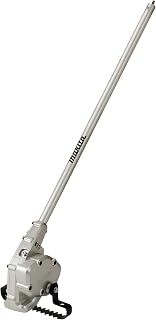


Choosing the best Makita garden shredder in Canada requires more than comparing advertised power or looking for the highest customer rating. Garden shredding equipment must match the type of material you expect to process, the size of your property, your available power source and the amount of garden waste produced during each season. Canadian conditions also make practical factors such as storage, portability, wet material handling and seasonal maintenance especially important.
Makita is widely associated with cordless outdoor equipment and power tools, but buyers should always check the exact specifications of the model being considered. Product ranges, configurations and availability can vary by market. A machine designed for general garden maintenance may not be suitable for heavy branches or large volumes of woody material.
This guide focuses on the decision-making process behind choosing a Makita garden shredder or a suitable garden waste shredding solution. Rather than relying on a single specification, compare cutting technology, maximum branch capacity, power system, collection method, noise, weight, mobility, maintenance requirements and the type of garden debris you regularly handle.
A garden shredder reduces branches, twigs and other suitable garden waste into smaller pieces. The resulting material is easier to handle and can sometimes be used as mulch or added to suitable composting systems, depending on the material and your intended use.
Shredding can reduce the volume of garden waste considerably compared with leaving branches intact. It can also make transport and storage more convenient. However, a shredder is not a universal solution for every type of garden debris. Leaves, grass, soft green material and thick woody branches can behave very differently inside a cutting mechanism.
Before buying, identify the material you actually need to process. A machine that works well for pruning waste may not be the right choice for large hardwood branches. Similarly, a compact cordless machine may be convenient for occasional garden work but less appropriate for continuous high-volume shredding.
Makita has an extensive ecosystem of cordless power equipment, which can make battery-powered outdoor tools attractive to users who already own compatible batteries and chargers. Cordless operation can simplify work around larger gardens because there is no mains cable running across the work area.
For buyers who already use Makita battery tools, compatibility can be an important consideration. However, battery compatibility should never be assumed simply because two tools carry the same brand name. Check the exact battery platform and the manufacturer's stated compatibility before purchasing.
A cordless setup can also be useful where access to a convenient outdoor electrical outlet is limited. On the other hand, runtime depends on the battery capacity, workload, material being processed and operating conditions. For heavier garden work, having additional compatible batteries may be useful.
The cutting mechanism is one of the most important parts of a garden shredder. Different mechanisms are designed around different types of garden waste. Some systems use cutting blades, while other shredders use alternative crushing or cutting arrangements.
Blade-based systems can be useful when producing relatively fine material from suitable branches and garden waste. Other mechanisms may prioritise quieter operation or the ability to deal with particular types of woody material. Do not choose a machine based solely on the word “shredder”. Examine how the mechanism is designed to work and what material the manufacturer specifies.
Maximum branch capacity is one of the most useful specifications when comparing shredders. It indicates the approximate upper limit of branch size the machine is designed to process under the stated conditions.
Do not treat the maximum diameter as a target for every load. Real-world performance can vary according to wood species, moisture content, branch shape, hardness and whether the material is straight or heavily branched. If most of your garden waste consists of branches close to the machine's maximum capacity, a larger-capacity solution may be more appropriate.
Power source affects convenience, runtime and operating flexibility. Corded machines can provide continuous operation when a suitable electrical supply is available. Battery-powered equipment offers greater mobility but requires suitable batteries and charging arrangements.
For cordless equipment, compare battery voltage, recommended battery type, expected workload and whether the battery and charger are included. Some tool configurations are sold without batteries, which can change the overall cost considerably if you do not already own compatible equipment.
Battery runtime should be considered in relation to workload rather than treated as a fixed number. Shredding thicker or harder branches can place greater demands on the motor than processing lighter garden waste.
Users with large quantities of material should consider whether they can complete the job using their available batteries. If you already own compatible Makita batteries, the economics may be different from starting a new battery platform.
Collection design affects how frequently you need to stop and empty the machine. A larger collection container can reduce interruptions, while a compact container may make the overall machine easier to handle.
Check how the collection system is removed, emptied and reinstalled. A technically capable shredder can still be inconvenient if the collection process is awkward for your normal workflow.
The size and shape of the feed opening can affect how easily suitable branches enter the machine. A narrow opening may require more preparation of garden waste, while a larger opening can make branch handling easier.
Never force oversized material into the feed opening. Follow the manufacturer's operating instructions and use only material that the machine is designed to accept.
Garden shredders often need to be moved between different parts of a property. Weight therefore matters, especially when the machine must be transported over grass, gravel, steps or uneven ground.
Look at the complete working setup rather than the bare machine weight. For cordless equipment, the installed battery adds weight. Collection containers and accessories can also affect how easy the machine is to move.
Large wheels can make outdoor equipment easier to move across uneven surfaces. Examine the wheel design, handle position and overall balance. A machine that is easy to manoeuvre around a garage may behave differently on wet grass or loose soil.
Cordless equipment provides freedom from extension cables and electrical outlets. This can be particularly useful when pruning trees or shrubs at the far end of a garden. It also reduces the need to manage a cable around branches and other obstacles.
Corded equipment can be attractive for users who expect long operating sessions in a fixed location. Continuous access to mains electricity eliminates the need to stop for battery changes or charging, although cable management becomes part of the workflow.
Neither system is automatically better. The right choice depends on garden size, waste volume, working location and existing equipment.
A compact garden usually produces smaller quantities of pruning waste. Portability, storage size and ease of operation may therefore matter more than maximum branch capacity.
A compact cordless solution can be convenient when the machine must be stored in a garage, shed or limited outdoor space. Check folded or stored dimensions where applicable before purchasing.
Medium gardens can generate a mixture of hedge trimmings, branches and seasonal pruning debris. Look for a balanced combination of cutting capacity, collection convenience and mobility.
Battery capacity becomes more important if several shrubs or trees need to be processed during one session. Consider whether your existing battery inventory can support the intended workload.
Large properties can produce substantial quantities of woody waste. In this situation, maximum branch capacity, throughput, collection design and continuous operating capability become increasingly important.
Do not assume that a compact cordless tool will be the most efficient choice simply because it is easier to carry. High-volume work can justify a larger and more specialised machine.
Garden shredders are primarily intended for suitable garden waste specified by the manufacturer. Before buying, think about the proportion of each material in your normal workload.
Branch diameter is only one part of the equation. Hardwood, softwood, fresh green branches and dry material can place different demands on a cutting system.
Freshly cut branches can contain considerable moisture. Dry branches may behave differently and can sometimes be harder or more brittle. Knots, forks and irregular shapes can also affect feeding.
For consistent results, prepare material according to the operating instructions. Remove unsuitable objects and do not mix garden waste with stones, metal, wire, plastic or other materials unless the manufacturer explicitly states that they are acceptable.
Noise can be an important practical consideration when using garden machinery in residential areas. A quieter machine may be more comfortable to operate and less disruptive, but advertised noise information should be interpreted according to the measurement conditions provided by the manufacturer.
Local municipal rules may also affect when outdoor power equipment can be operated. Buyers should check the applicable local requirements before using a garden shredder, particularly in densely populated neighbourhoods.
Garden shredders contain powerful cutting or crushing mechanisms and should be treated as serious machinery. Safety features are therefore more important than cosmetic design.
Eye protection is important because fragments can potentially be ejected from garden machinery. Hearing protection may also be appropriate depending on the machine's noise level and the duration of use.
Suitable gloves can protect against sharp branches and rough bark when preparing garden waste. However, gloves should never be used as a reason to place hands close to a moving feed mechanism.
Footwear with good traction can also help when working on grass, soil or uneven outdoor surfaces.
A trusted brand can be a useful starting point, but the brand name does not guarantee that every model is suitable for every application. Compare the specifications of the exact machine you intend to purchase.
A high maximum diameter does not automatically mean the machine will be the best choice for your garden. Consider feeding method, collection capacity, portability, power source and expected workload as well.
Battery-powered tools can have different package configurations. A tool-only configuration may require a separate battery and charger. Include these components when calculating the true purchase cost.
A compact shredder can be convenient for light pruning but frustrating when used for repeated heavy branches. If your garden produces large quantities of woody waste, compare machines designed for that workload.
The opposite mistake is choosing more capacity than you need. A larger machine can take up more storage space and may be less convenient to move. Match capacity to actual use rather than selecting the biggest specification available.
Garden equipment often remains unused for long periods between pruning seasons. Check where the machine will be stored and whether its dimensions, weight and battery requirements are practical for your space.
Makita should be compared with other established tool manufacturers based on the exact product specification rather than brand reputation alone. Depending on the type of garden equipment being considered, buyers may also encounter products from Bosch, Ryobi, DeWalt, Einhell and other manufacturers.
The most useful comparison is not simply “Which brand is better?” Instead, ask which product offers the most appropriate combination of capacity, power source, cutting mechanism, handling, maintenance requirements and compatibility with equipment you already own.
If you already own cordless tools, staying within an existing battery ecosystem can reduce the need to purchase additional batteries and chargers. Verify compatibility carefully because battery systems are not universally interchangeable.
Compare physical dimensions as well as performance specifications. Two machines with similar stated capacity can have very different storage and transportation requirements.
Look at how straightforward routine maintenance is. Accessible components, replaceable cutting parts and clear maintenance instructions can make a significant difference over the useful life of outdoor equipment.
Regular maintenance can help keep garden machinery operating reliably. Always follow the specific maintenance schedule and procedures supplied for the model you own.
Cutting components gradually experience wear during normal use. Dull or damaged cutting components can affect performance and may increase the effort required to process suitable material.
Do not sharpen, remove or replace cutting components unless the manufacturer's instructions permit the procedure and explain how it should be performed. Disconnect the machine from its power source before carrying out permitted maintenance.
Battery care is an important part of owning cordless garden equipment. Use the correct charger and battery system specified for the tool. Avoid exposing batteries to unsuitable temperatures, moisture or physical damage.
For seasonal storage, follow the battery manufacturer's recommendations rather than assuming that every lithium-ion battery should be stored in exactly the same way. If you own several Makita cordless tools, keeping batteries organised and properly charged can make seasonal garden work easier to plan.
One potential advantage of shredding is that suitable processed garden waste can be easier to reuse. Depending on the material, shredded branches may be used as a mulch or incorporated into garden waste management practices.
Material selection matters. Avoid spreading shredded material containing diseased plant matter where doing so could contribute to disease transmission. Also consider the characteristics of the wood, the maturity of the material and the requirements of the plants where mulch will be applied.
Shredded material should not automatically be treated as finished compost. Composting and mulching are different processes, and each requires appropriate handling.
Customer reviews can provide useful information, but they should not replace specification checking. Look for recurring comments about the exact model's feeding behaviour, ease of movement, noise, battery runtime, collection system and suitability for different types of garden waste.
Pay particular attention to reviews that explain the user's workload. A person processing a few hedge trimmings may have very different expectations from someone shredding branches after extensive tree pruning.
Also check the date of reviews and confirm that the review refers to the same model or configuration. Product names can sometimes be similar across generations or package variants.
If you already own compatible Makita cordless equipment, battery compatibility can be a major convenience. Confirm the exact platform before making a purchase and compare the total cost against alternative equipment.
Occasional users may benefit from a compact, easy-to-store machine. There is little value in paying for capacity that will rarely be used. Prioritise ease of handling and storage alongside cutting performance.
Frequent pruning calls for careful attention to branch capacity, cutting mechanism, collection design and operating endurance. Users with substantial woody waste should consider whether a compact cordless system can realistically handle their workload.
Large-property owners should evaluate mobility, workflow and throughput. Moving branches to the shredder and repeatedly emptying the collection system can consume significant time, so practical ergonomics matter alongside motor performance.
Preparation can make shredding more efficient. Sort material before feeding it into the machine and remove unsuitable debris. Separate extremely thick branches from smaller pruning material so that you can process each category appropriately.
Do not overload the machine continuously. Follow the manufacturer's feeding instructions and allow the equipment to operate at its intended rate. If the machine begins to behave abnormally, stop work and investigate the cause using the recommended procedure.
Keep the work area organised. A clear pile of suitable branches can make feeding more efficient than repeatedly picking material from a mixed pile containing leaves, soil, stones and other debris.
Canadian buyers should consider seasonal storage and the climate in their region. Garden shredders may spend several months unused during winter, so adequate storage protection is important.
Regional garden conditions can also vary considerably. A homeowner maintaining a small suburban yard in southern Ontario may have very different requirements from someone managing a larger property in British Columbia, Alberta, Quebec or the Atlantic provinces.
Before purchasing, check the exact Canadian product configuration, electrical requirements where applicable, battery configuration and manufacturer's instructions. Availability can change over time, so confirm current specifications and retailer information before completing a purchase.
The best purchase is the machine that fits the workload rather than the machine with the most impressive specification sheet. Start with the material you need to process, then work backwards toward the appropriate capacity and power system.
For cordless equipment, battery compatibility and runtime can be decisive. For corded equipment, access to electricity and cable management may matter more. For frequent heavy pruning, cutting capacity and throughput deserve greater attention.
Independent buyers should also compare current specifications, verified customer feedback and retailer information before purchasing. Product configurations can change, so always check the exact model number rather than relying only on a product title.
The best option depends on your garden size, branch diameter, waste volume, power requirements and available battery system. There is no single model that is automatically ideal for every Canadian garden.
Makita offers a broad range of cordless outdoor power equipment, but buyers should verify the current Canadian range and the exact specification of any product described as a garden shredder. Product availability and configurations can change.
Some cordless machines are designed for branch processing, but suitability depends on the exact model and its stated capacity. Check the maximum material diameter and operating instructions before buying.
Only use a battery explicitly confirmed as compatible with the exact tool. Battery compatibility should be verified by platform, voltage and model requirements rather than assumed from the brand name.
No. Larger capacity can be useful for heavy pruning, but it may come with greater size, weight or cost. Choose capacity according to the material you actually process.
Some machines can process certain leafy material, but capabilities vary. Check the manufacturer's permitted material list and operating instructions for the exact model.
Wet material can behave differently from dry material and may affect feeding or cutting performance. Follow the exact manufacturer's guidance rather than assuming that all wet garden waste is suitable.
Stop the machine and follow the manufacturer's blockage-clearing procedure. Disconnect the appropriate power source before accessing internal areas, and never reach into a cutting mechanism while it can operate.
Noise varies by cutting mechanism, motor, material and operating conditions. Check the manufacturer's stated noise information and consider local rules regarding outdoor equipment.
Appropriate eye protection, hearing protection and protective footwear may be advisable depending on the machine and working conditions. Always follow the manufacturer's safety guidance.
Clean and inspect the equipment according to the manufacturer's instructions, then store it in a suitable dry and secure location. Cordless users should follow the battery manufacturer's storage recommendations separately.
An existing compatible battery ecosystem can be a useful reason to consider a Makita cordless product. However, compare the exact machine's capacity and features with alternatives before deciding.
The best Makita garden shredder for a Canadian buyer should be selected according to real garden conditions rather than a generic ranking. Branch diameter, material type, workload, battery compatibility, collection capacity, portability and maintenance all influence whether a particular machine will be practical.
Makita can be particularly interesting for buyers already invested in its compatible cordless ecosystem, while other brands may offer alternatives worth comparing for specific workloads. The strongest buying decision comes from matching the machine's documented capabilities with the work you actually perform.
Before purchasing, verify the exact Canadian model, compare current specifications, review customer feedback and check the complete package contents. Taking a few minutes to compare these details can help you avoid buying a machine that is either underpowered for your garden or unnecessarily large for your needs.